How to Rid Sneakers of Odor: Proven Cleaning and Freshness Tips
Rid Sneakers of odor develops when moisture and bacteria interact inside shoes. Sweat accumulates during wear, creating a warm environment that is ideal for bacterial growth. These bacteria break down sweat proteins, releasing unpleasant Rid Sneakers of odors over time. Proper Rid Sneakers of odor control in sneakers begins with learning why sneakers smell after use. Addressing causes ensures long-lasting freshness and improved sneaker hygiene.
Daily activities expose sneakers to dirt, sweat, and environmental moisture. Poor ventilation and repeated wear prevent shoes from fully drying. This trapped moisture feeds Rid Sneakers of odor-causing microbes within shoe materials. Different fabrics absorb sweat differently, affecting the Rid Sneakers of odor intensity and persistence. Learning prevention strategies helps maintain freshness and extends the lifespan.
Many people replace sneakers unnecessarily due to persistent Rid Sneakers of odor problems. Effective Rid Sneakers of odor removal methods can restore freshness without damaging shoes. Simple household items often eliminate Rid Sneakers of odors more effectively than expensive products. Consistent care routines prevent Rid Sneakers of odor buildup and protect foot health. Learn about correct techniques saves money and preserves favorite sneakers.
Table of Contents
What Causes Persistent Rid Sneakers of Odor Problems
Rid Sneakers of odor originates mainly from bacteria thriving in moist environments. Feet sweat naturally, especially during exercise or extended walking. Moisture trapped inside sneakers creates ideal bacterial breeding conditions. Bacteria consume sweat components and release strong-smelling waste compounds. Without intervention, rid sneakers of odors worsen with repeated sneaker use.
Synthetic materials often worsen Rid Sneakers of odor problems compared to breathable fabrics. Limited airflow prevents moisture evaporation after wearing sneakers. Dark, enclosed spaces allow bacteria to multiply rapidly overnight. Reusing damp sneakers compounds odor intensity significantly over time. Material choice greatly influences odor severity and management difficulty.
Importance Of Drying Sneakers Properly After Every Use
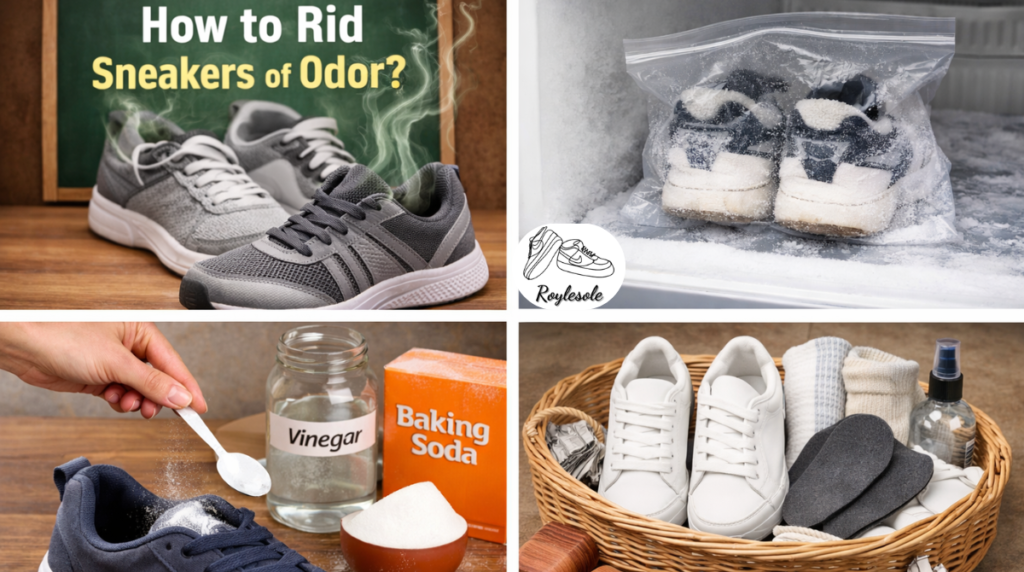
Drying sneakers thoroughly interrupts bacterial growth and reduces odor formation. Moisture removal eliminates conditions that bacteria require for survival. Air drying after use significantly reduces lingering unpleasant smells. Leaving sneakers damp accelerates odor development and material degradation. Proper drying is the foundation of odor prevention routines.
Remove insoles immediately to allow faster internal air circulation. Place sneakers in well-ventilated areas away from humidity for Rid Sneakers of odor. Avoid sealed spaces like gym bags or closets. Stuffing shoes with paper absorbs excess internal moisture efficiently. Consistent drying habits dramatically improve sneaker freshness over time.
Using Baking Soda Effectively To Neutralize Rid Sneakers of Odor
Baking soda neutralizes odors by absorbing moisture and acidic compounds. Sprinkle generous amounts inside sneakers after each wear. Allow baking soda to sit overnight for maximum effectiveness. Shake out residue thoroughly before wearing sneakers again. Regular application keeps odors under control naturally.
For deeper treatment, fill socks with baking soda powder. Place filled socks inside sneakers and leave overnight. This method concentrates odor absorption within enclosed shoe spaces. Replace baking soda socks weekly for continued effectiveness. Baking soda remains affordable and widely accessible for routine use.
Washing Sneakers Correctly Without Causing Material Damage
Machine washing can remove odor when done carefully and correctly. Remove laces and insoles before washing sneakers. Use cold water and mild detergent to protect materials. Place sneakers inside mesh laundry bags for safety. Air dry completely after washing to prevent new odors.
Hand washing suits delicate sneakers requiring gentle treatment. Use soft brushes with mild soap and lukewarm water. Scrub interiors carefully where odor-causing bacteria reside. Rinse thoroughly to remove soap residue completely. Proper washing restores freshness while maintaining sneaker structure integrity.
Applying Vinegar Solutions To Kill Odor-Causing Bacteria
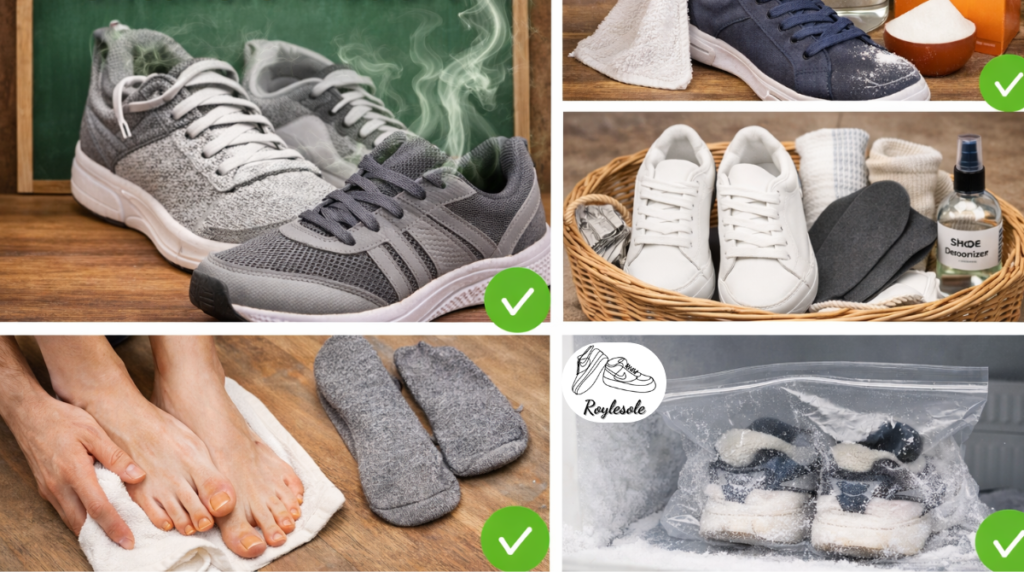
White vinegar kills bacteria responsible for persistent sneaker odors. Mix equal parts vinegar and water in spray bottles. Lightly mist sneaker interiors without soaking materials excessively. Allow shoes to air dry completely before wearing again. Vinegar smell dissipates once the sneakers fully dry.
For stronger odors, wipe interiors using vinegar-soaked cloths. Focus on insoles and toe box areas primarily. Vinegar’s acidity disrupts bacterial growth effectively and safely. Repeat treatments weekly for stubborn odor problems. Vinegar remains an economical and powerful natural deodorizer.
Freezing Sneakers To Eliminate Odor-Producing Bacteria
Freezing sneakers halts bacterial activity through extreme cold exposure. Place clean, dry sneakers inside sealed freezer bags. Leave sneakers frozen overnight for effective odor reduction. Cold temperatures kill many odor causing bacteria strains. Remove and thaw sneakers fully before wearing again.
Freezing works best combined with drying and cleaning routines. Ensure sneakers are completely dry before freezing treatment. Moisture can damage materials during freezing cycles. Use this method occasionally, not daily, for best results. Freezing provides chemical-free odor control solutions.
Choosing The Right Insoles To Prevent Recurring Odors
Insoles absorb sweat directly, becoming primary odor sources. Replacing insoles regularly reduces bacterial buildup significantly. Choose antimicrobial or moisture-wicking insoles for the best results. Removable insoles allow easier cleaning and faster drying. Quality insoles enhance comfort while controlling odor effectively.
Activated charcoal insoles absorb moisture and neutralize smells efficiently. Cedar-infused insoles provide natural deodorizing properties. Proper fit ensures even sweat absorption across foot surfaces. Rotate insoles between uses to allow thorough drying. Insoles play a crucial role in long-term odor prevention.
Wearing Proper Socks To Minimize Sneaker Odor Formation
Socks act as barriers between feet and sneaker interiors. Moisture-wicking socks reduce sweat accumulation inside shoes. Cotton retains moisture, worsening odor problems during activity. Synthetic blends manage sweat better and dry faster. Sock choice significantly impacts sneaker freshness maintenance.
Changing socks daily prevents bacteria transfer into sneakers. Avoid reusing damp socks after workouts or long walks. Thicker socks provide extra absorption for heavy sweaters. Proper sock hygiene complements sneaker odor control strategies. Footwear freshness begins with smart sock selection.
Using Commercial Deodorizers Safely And Effectively
Commercial sneaker deodorizers offer convenient odor control options. Sprays, powders, and inserts target bacteria and moisture. Choose products designed specifically for footwear materials. Follow the manufacturer’s instructions to avoid damaging sneaker interiors. Consistent use enhances overall odor management routines.
Avoid overusing strong chemicals that may irritate skin. Test products on small areas before full application. Natural ingredient deodorizers suit sensitive users better. Combine commercial products with regular cleaning practices. Balanced approaches yield longer-lasting odor-free sneakers.
Establishing Daily Habits That Keep Sneakers Odor Free
Daily habits determine long-term sneaker freshness and usability. Rotate sneakers to allow drying between wears. Avoid wearing the same pair on consecutive days. Store sneakers in breathable, dry environments always. Consistency prevents odor buildup better than occasional treatments.
Practice regular foot hygiene to reduce sweat bacteria transfer. Wash feet thoroughly and dry completely before wearing sneakers. Trim toenails to minimize bacterial harboring areas. Healthy feet contribute directly to fresher-smelling footwear. Prevention remains the most effective odor control strategy.
FAQ’s
How often should I clean my sneakers to prevent odor?
Cleaning frequency depends on usage intensity and sweat levels. Regular users should clean sneakers every two weeks. Light users may clean monthly with proper drying routines. Spot cleaning interiors weekly helps control bacteria buildup. Consistency prevents odors from becoming deeply embedded.
Can sunlight help remove sneaker odor naturally?
Sunlight helps dry sneakers and reduce moisture levels effectively. Ultraviolet rays can kill some odor-causing bacteria. Avoid prolonged exposure to prevent material fading or damage. Short sun drying sessions complement other odor removal methods. Always ensure sneakers dry completely afterward.
Are scented sprays enough to eliminate sneaker odor?
Scented sprays only mask odors without killing bacteria. Odors often return once the fragrance fades completely. Effective odor removal requires moisture and bacteria control. Use sprays alongside cleaning and drying practices. Long-term freshness depends on addressing underlying causes.
Is it safe to wash sneakers frequently in washing machines?
Frequent machine washing can weaken sneaker materials over time. Limit washing to when odors persist after other treatments. Use gentle cycles and cold water settings. Air drying prevents heat damage from dryers. Balanced washing preserves sneaker durability and freshness.
Do expensive sneakers resist odor better than cheaper ones?
Price does not guarantee better odor resistance in sneakers. Material breathability and design matter more than cost. High-quality ventilation reduces moisture retention significantly. Proper care determines freshness regardless of sneaker price. Maintenance habits outweigh brand or cost factors.
Conclusion
Sneaker odor results from moisture, bacteria, and inadequate drying practices. Addressing these factors eliminates odors rather than masking them. Simple methods like drying, cleaning, and absorbents work effectively. Consistent routines maintain freshness and extend the sneaker’s lifespan significantly. Knowledge-based care ensures confident, odor-free sneaker wear.
Combining multiple strategies delivers the best long-term odor prevention. Daily habits support deeper cleaning and deodorizing methods. Affordable household solutions rival expensive commercial products easily. Proper sneaker care protects foot health and comfort. Fresh sneakers enhance overall daily confidence and hygiene.





Post Comment