Are Sneakers Business Casual? Complete Guide for Professionals in 2026
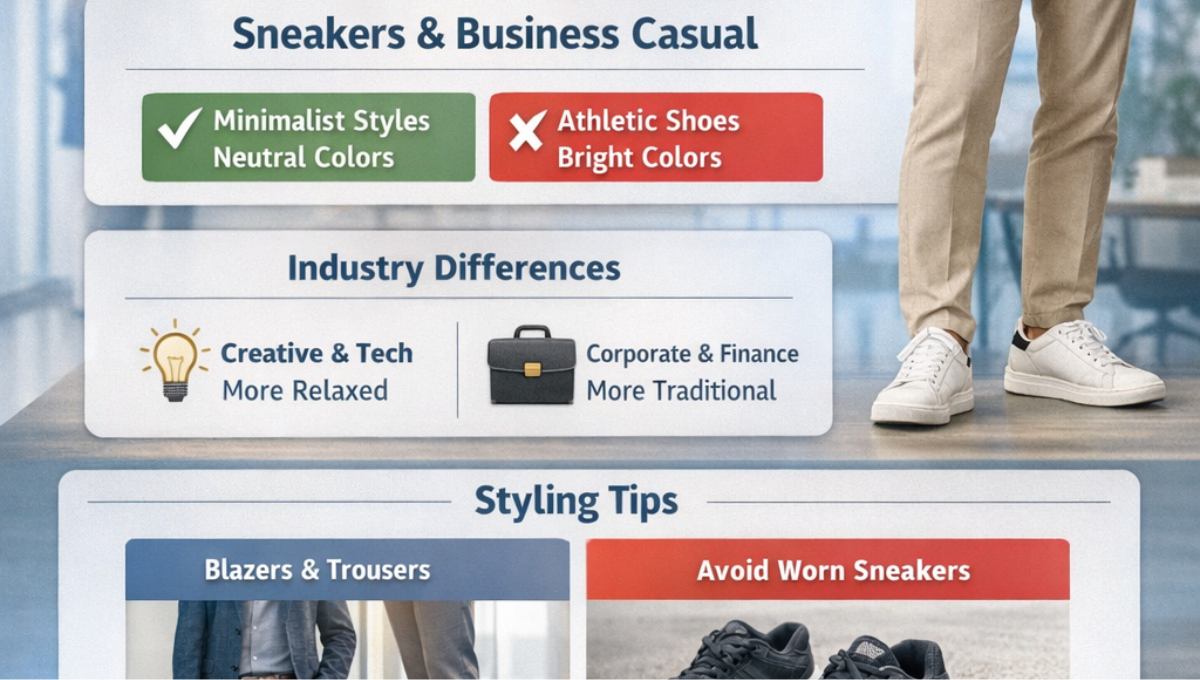
Sneakers increasingly appear in modern workplaces, challenging traditional business attire. Professionals question whether sneakers truly fit business casual dress expectations. Workplace fashion standards evolve, reflecting comfort, flexibility, and changing professional cultures. Understanding the business casual suitability requires context, industry norms, and styling choices. This article explores when sneakers appropriately meet business casual requirements.
Business casual definitions vary widely across companies, industries, and geographic regions. Some workplaces embrace relaxed dress codes while others maintain conservative appearances. Sneaker acceptance depends on design quality, cleanliness, and outfit coordination. Employees must balance professionalism, comfort, and personal style when choosing footwear. Clear guidance helps professionals confidently decide sneaker appropriateness daily.
This discussion provides practical insights, examples, and considerations for modern professionals. Readers will learn how sneaker styles influence workplace perceptions and credibility. The article evaluates environments where sneakers enhance rather than harm professionalism. Ultimately, informed choices support confidence, comfort, and respect within professional settings. Let us examine sneakers’ place within business casual frameworks today.
Table of Contents
Business Casual Dress Codes
Business casual typically blends professional appearance with relaxed, comfortable clothing elements. It removes strict formalwear while maintaining polished, respectable workplace presentation standards. Footwear expectations remain ambiguous within business casual interpretations across organizations. Shoes should appear neat, understated, and appropriate for professional interactions. Sneakers challenge these expectations due to casual cultural associations.
Historically, business casual excluded athletic footwear from acceptable office attire. Traditional guidelines favored loafers, oxfords, flats, or low-heeled shoes. However, changing workforce demographics influence evolving acceptance of casual footwear. Technology startups and creative industries often redefine business casual boundaries. Understanding history clarifies why sneaker debates persist today.
Types Of Sneakers And Their Professional Appeal
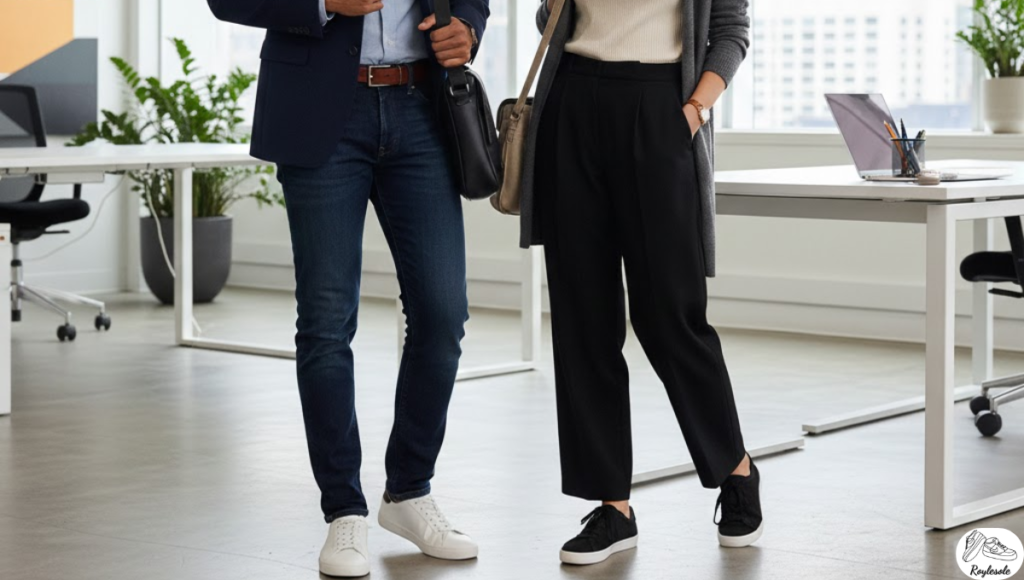
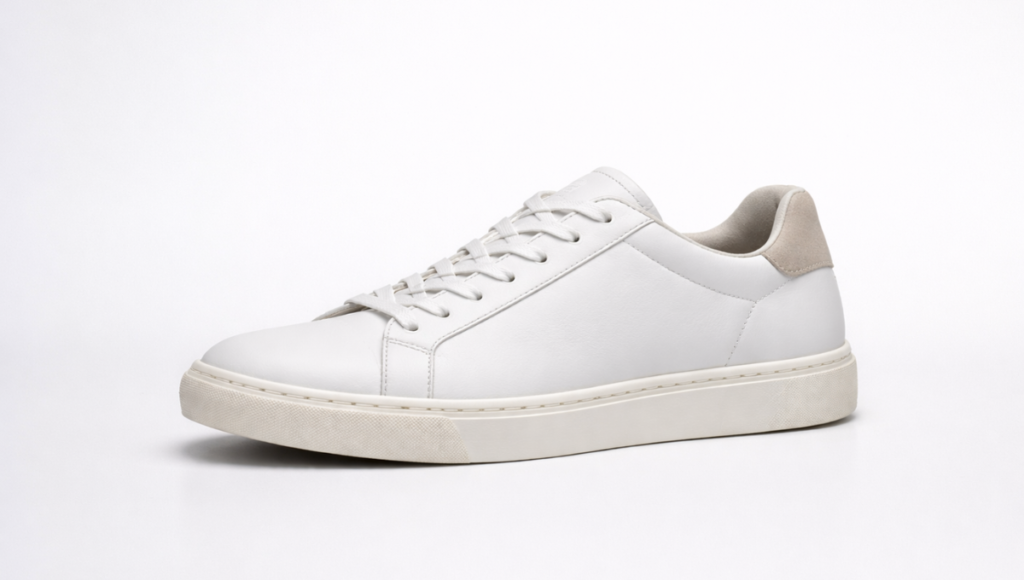
Not all sneakers carry identical visual messages within professional settings. Minimalist leather sneakers often appear more refined than athletic running shoes. Neutral colors reduce casual impact, improving compatibility with business outfits. Clean lines, subtle branding, and quality materials enhance professional appearance. Design choices significantly affect sneaker workplace acceptance.
Athletic sneakers emphasize performance features, bright colors, and visible cushioning. Such designs usually conflict with business casual expectations. Conversely, fashion-oriented sneakers resemble casual dress shoes stylistically. These models integrate easily into polished professional wardrobes. Choosing appropriate sneaker types remains essential for workplace suitability.
Industry Influence On Sneaker Acceptance
Industry culture strongly determines whether sneakers qualify as business casual. Creative fields prioritize self-expression, comfort, and contemporary fashion trends. Technology companies frequently permit sneakers with smart casual ensembles. Corporate finance and legal sectors maintain stricter footwear expectations. Understanding industry norms prevents uncomfortable professional missteps.
Client-facing roles often require conservative dress to project credibility. Internal roles sometimes allow greater flexibility and casual expression. Startups encourage relaxed attire to foster innovation, collaboration, and comfort. Established corporations emphasize traditional brand image and professionalism. Context awareness ensures sneaker choices align with organizational culture.
Styling Sneakers For Business Casual Success
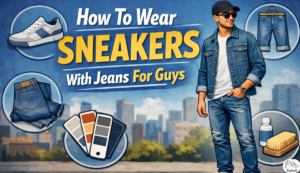
Proper styling transforms sneakers into business-casual-appropriate footwear. Pair sneakers with tailored trousers, structured blazers, and crisp shirts. Avoid combining sneakers with overly casual clothing pieces. Balance casual footwear using polished garments to maintain professionalism. Intentional styling communicates confidence, awareness, and respect.
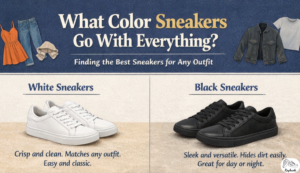
Color coordination significantly influences overall outfit sophistication perception. Neutral sneakers complement diverse outfits without drawing excessive attention. Clean, well-maintained sneakers signal care, professionalism, and reliability. Avoid worn, dirty, or flashy designs undermining business casual intentions. Attention to detail elevates sneaker-based professional outfits.
Workplace Policies And Dress Code Guidelines
Explicit company policies provide clarity regarding acceptable business casual footwear. Some organizations outline prohibited items, including athletic sneakers. Others allow discretion, encouraging employees to exercise professional judgment. Reviewing employee handbooks prevents accidental dress code violations. When uncertain, consult supervisors or human resources departments.
Dress codes often evolve, reflecting workforce preferences and cultural shifts. Employers recognize that comfort improves morale, productivity, and job satisfaction. Hybrid work models further relax traditional office dress expectations. However, official guidelines still govern on-site professional appearance. Compliance ensures respect, alignment, and workplace harmony.
Cultural And Regional Differences
Cultural expectations shape perceptions of professional attire globally. European workplaces often embrace stylish minimalist sneakers professionally. North American offices display varied acceptance depending on the region. Asian corporate cultures typically maintain conservative dress standards. Understanding regional norms supports appropriate sneaker decisions.
Urban centers generally accept progressive fashion choices more readily. Rural or traditional regions may prefer conventional professional footwear. Global companies navigate diverse expectations across international offices. Employees should adapt their attire when working across cultural contexts. Sensitivity promotes professionalism, respect, and effective collaboration.
Benefits Of Wearing Sneakers At Work
Sneakers offer superior comfort, supporting long hours and active workdays. Comfortable footwear reduces fatigue, improves posture, and enhances productivity. Employees experience fewer foot-related health issues when wearing supportive shoes. Modern professionals value wellness integrated into workplace culture. Sneakers align with health-conscious organizational values.
Casual footwear fosters relaxed environments, encouraging creativity, collaboration, and morale. Employees feel more authentic, expressive, and comfortable professionally. Reduced discomfort allows greater focus on tasks and performance. Positive experiences influence job satisfaction and retention. Sneakers contribute indirectly to organizational well-being.
Potential Risks Of Sneakers In Business Casual
Improper sneaker choices risk appearing unprofessional or careless. First impressions significantly impact credibility, especially in meetings. Clients may perceive sneakers as insufficiently formal or respectful. Misalignment with expectations can undermine authority, confidence, and trust. Risk assessment remains necessary before choosing sneakers.
Overly casual attire may conflict with company branding values. Managers might interpret sneakers as a disregard for workplace standards. Career advancement could suffer from repeated dress code misjudgments. Balancing individuality with conformity protects professional reputation. Thoughtful decisions mitigate potential negative consequences.
Situations Where Sneakers Are Inappropriate
Formal meetings, presentations, or negotiations often require traditional footwear. Executive interactions typically expect elevated professional dress standards. Client visits demand attire reflecting respect, seriousness, and competence. Special events override everyday business casual flexibility. Sneakers rarely suit high-stakes professional scenarios.
Industries with safety regulations may prohibit sneakers entirely. Manufacturing healthcare or laboratory environments requires specialized protective footwear. Dress codes ensure safety compliance and professional consistency. Ignoring restrictions risks disciplinary action or safety incidents. Always prioritize guidelines, safety, and professionalism over comfort.
Making Confident Footwear Decisions
Confidence stems from understanding expectations and aligning attire accordingly. Evaluate audience context and purpose before selecting sneakers. When unsure, opt for conservative choices, minimizing potential issues. Observe colleagues, leaders, and company culture for guidance. Adaptability ensures an appropriate professional presentation.
Developing a versatile shoe wardrobe supports varied professional needs. Maintain alternatives like loafers or dress shoes readily available. Rotate footwear based on meeting roles and environments. Preparedness enhances confidence, reduces stress, and supports professionalism. Informed decisions empower personal style within professional boundaries.
FAQ’s
Are sneakers acceptable in all business casual workplaces today?
Sneaker acceptance varies widely depending on company culture, industry, and regional norms. Some workplaces fully embrace sneakers, while others discourage casual footwear. Always review dress codes before wearing sneakers professionally. Observation and communication clarify acceptable sneaker use. Context remains the deciding factor always.
Which sneaker styles work best for business casual environments?
Minimalist leather sneakers with neutral colors suit business casual settings. Avoid athletic designs, bright colors, and excessive branding. Clean, structured silhouettes resemble traditional professional footwear. Quality materials enhance credibility and a polished appearance. Choose understated designs prioritizing simplicity.
Can sneakers negatively impact professional credibility or career growth?
Yes, inappropriate sneakers can harm first impressions and perceived professionalism. Repeated misjudgments may influence evaluations or advancement opportunities. Align footwear with expectations to protect credibility. When uncertain, choose conservative alternatives. Professional awareness mitigates potential risks
How should sneakers be styled to appear business casual appropriate?
Pair sneakers with tailored trousers, blazers, and structured shirts. Avoid combining with overly casual garments like shorts. Maintain cleanliness and condition meticulously. Coordinate colors for a balanced professional appearance. Styling intention determines impression.
Are sneakers suitable for client meetings or presentations?
Generally, sneakers are discouraged during formal client interactions. Clients expect conservative attire reflecting seriousness and respect. Exceptions exist within creative or relaxed industries. Assess client expectations carefully beforehand. When uncertain, choose traditional professional footwear.
Conclusion
Sneakers can be business casual when thoughtfully chosen and styled appropriately. Acceptance depends on industry culture, company policies, and situational context. Minimalist clean sneakers paired with polished outfits often succeed. Professionals must remain mindful of expectations and potential perceptions. Balanced decisions support comfort, professionalism, and workplace harmony.
Understanding nuances empowers confident attire choices, aligning personal style professionally. Evaluate the environment, audience, and purpose before wearing sneakers. Flexibility allows modern professionals to embrace evolving dress standards. Ultimately, professionalism reflects judgment, respect, and situational awareness. Sneakers represent possibility, not universal acceptance within business casual.
Post Comment