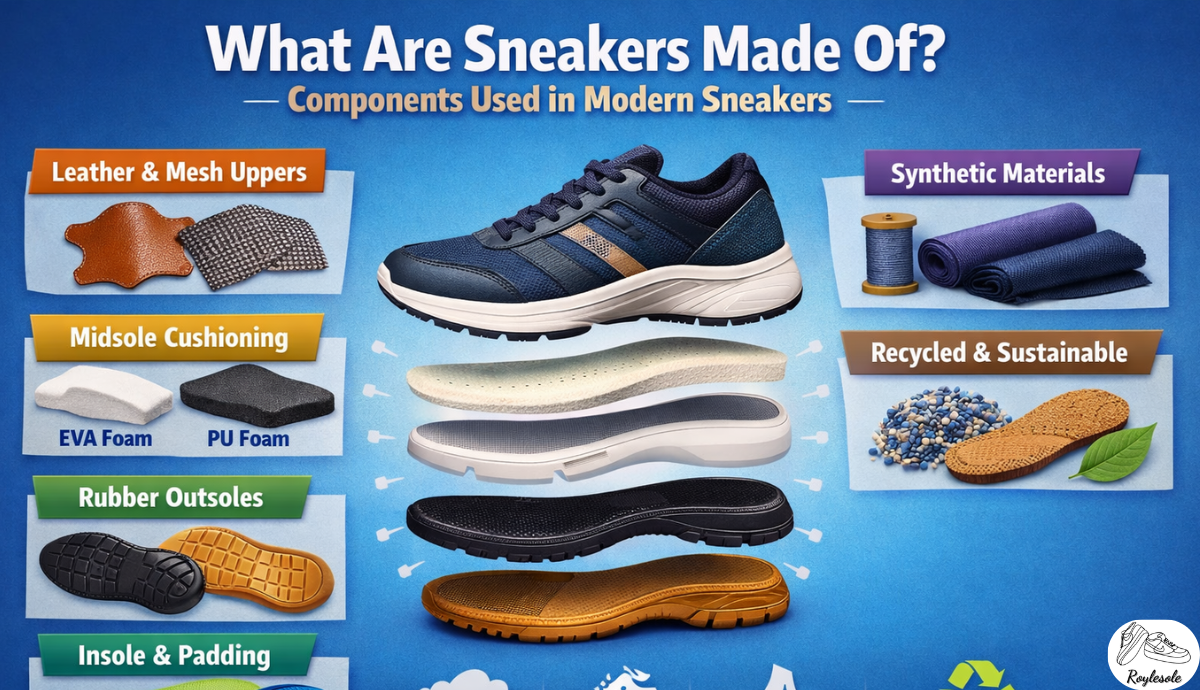
What Are Made Of Materials Used in Modern Sneakers
Sneakers are everyday footwear combining comfort, durability, flexibility, and modern design. They cater to athletic, casual, and professional lifestyles across various cultures and age groups. Learn sneaker materials construction enables buyers to choose footwear that is both of high quality and long-lasting. Design elements determine breathability, weight, cushioning, grip, and overall wearing experience. This article explains sneaker composition clearly, logically, and in helpful detail.
Sneaker materials manufacturing blends natural elements with advanced synthetic innovations carefully. Each part serves a functional role supporting comfort, motion, and durability. From uppers to soles, every layer influences performance and longevity. Design choices vary based on sport, fashion trends, and environmental considerations. Knowing these elements empowers smarter purchasing and maintenance decisions.
Modern sneakers balance performance needs with sustainability and aesthetic appeal. Brands continuously experiment with new solutions, improving comfort and reducing environmental impact. Recycled, plant-based, and lightweight composites are increasingly common. Engineering innovation now plays a crucial role in sneaker development. Learn materials reveals why sneakers differ in price and performance.
Table of Contents
Upper Construction Used In Sneakers
The upper materials of the sneaker’s exterior secure the foot. It affects breathability, flexibility, durability, and visual style significantly. Common upper designs include leather, mesh, knit, and synthetic blends. Each option offers distinct advantages depending on the intended sneaker use. Upper materials strongly influences comfort and foot support.
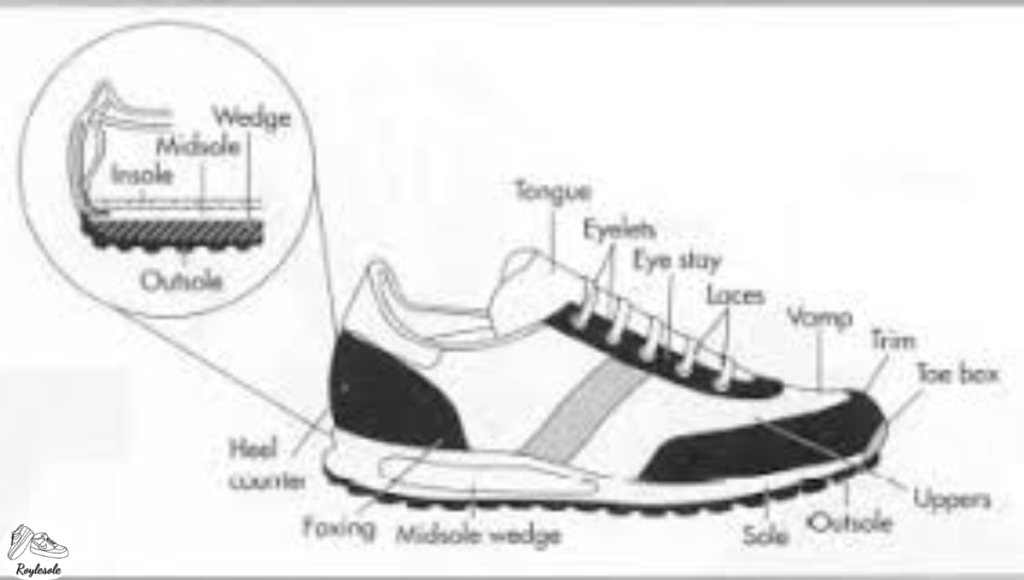
Leather uppers provide durability, structure, and a premium aesthetic. Mesh designs improve airflow, keeping feet cooler during activity. Knit uppers adapt closely to foot shape for flexibility. Synthetic designs balance affordability, strength, and water resistance. Manufacturers select upper designs based on performance and market demand.
Types Of Leather Used In Sneakers
Leather remains popular due to its strength, comfort, and timeless appearance. Full-grain leather offers maximum durability and natural texture retention. Top-grain leather is smoother and slightly more processed. Suede provides softness and style but requires careful maintenance. Leather quality directly impacts sneaker lifespan and comfort.
Leather uppers gradually mold to foot shape with use. They offer moderate breathability compared to mesh alternatives. Leather sneakers suit casual, fashion, and lifestyle wear best. Treated leather improves water resistance and stain protection. Proper care preserves appearance and structural integrity.
Mesh And Knit Designs In Sneakers
Mesh designs consist of woven synthetic fibers forming breathable structures. They allow air circulation, reducing moisture buildup during movement. Mesh sneakers feel lightweight and comfortable for athletic activities. However, mesh designs offer less protection against abrasion. They are ideal for running and training shoes.
Knit uppers use engineered yarns for seamless construction. They stretch naturally, enhancing comfort and adaptive fit. Knitted sneakers reduce waste during manufacturing. They provide a sock-like feel with modern visual appeal. Durability depends on yarn quality and construction.
Synthetic Components Used In Sneakers
Synthetic elements replicate leather properties using man-made compounds. These include polyurethane, polyester, and engineered plastics. Such components offer consistency, affordability, and controlled performance characteristics. They resist water better than many natural alternatives. Synthetic uppers reduce reliance on animal-based sources.
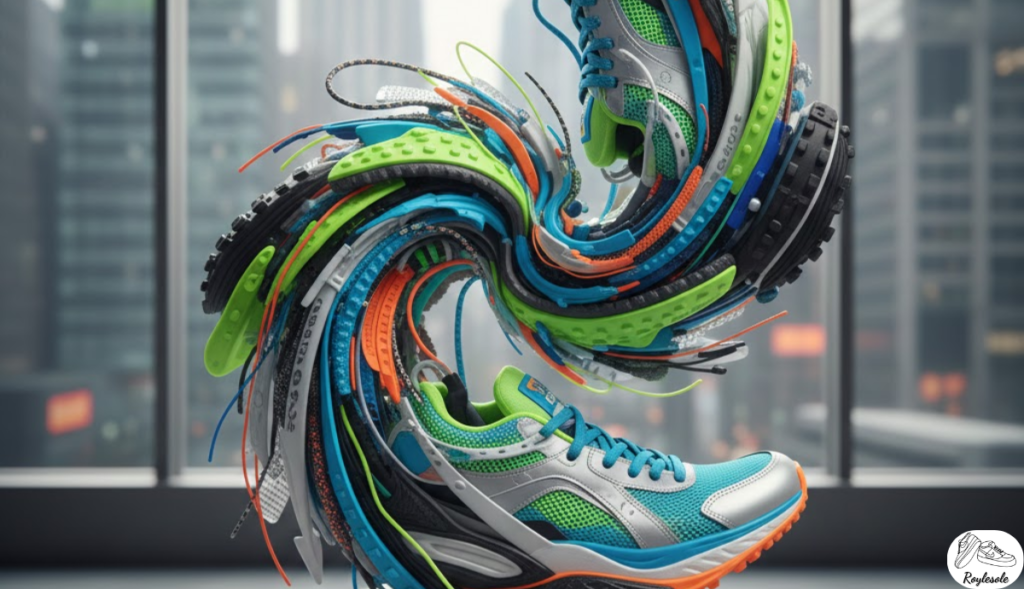
These components are lightweight and easy to clean. They allow vibrant colors and creative design possibilities. Synthetic sneakers maintain shape longer under repeated stress. However, breathability may be lower than that of mesh designs. Manufacturers often combine synthetics with other options.
Midsole Cushioning And Support Layers
The midsole sits between the upper and outsole, providing cushioning. It absorbs impact and supports foot movement efficiently. Ethylene vinyl acetate remains the most common cushioning foam. EVA is lightweight, flexible, and cost-effective. Midsole structure affects comfort and energy return.
Polyurethane midsoles offer increased durability and firmness. They resist compression longer than EVA foam. Foam blends improve responsiveness for athletic performance. Advanced designs enhance shock absorption and stability. Cushioning choice depends on intended sneaker activity.
Outsole Construction And Traction Design
Outsoles contact the ground and provide grip. Rubber remains the most widely used outsole compound. It offers durability, flexibility, and reliable traction. Different rubber blends adjust hardness and grip levels. Tread patterns influence movement and surface control.
Carbon rubber increases durability in high-wear areas. Blown rubber improves lightweight cushioning and flexibility. Outsole designs vary depending on sport or lifestyle use. Trail sneakers require aggressive tread patterns for stability. Outsole construction directly affects safety and performance.
Insole Design And Comfort Features
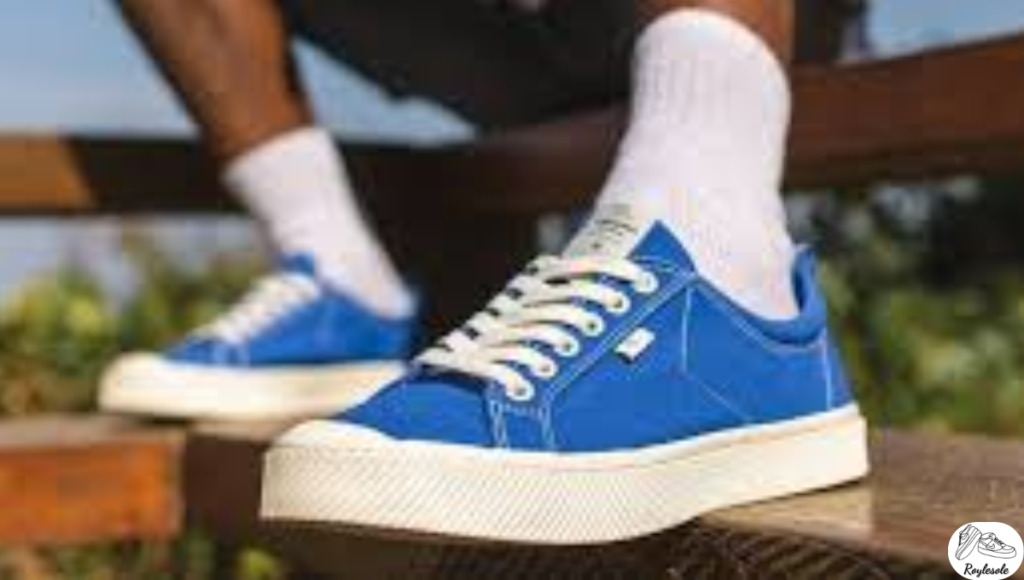
Insoles sit inside sneakers, supporting foot comfort. They provide cushioning, arch support, and moisture control. Common designs include foam, gel, and cork layers. Foam insoles balance softness with structural support. Comfort features enhance all-day wearability significantly.
Removable insoles allow customization and replacement options. Orthotic-friendly designs support individual foot needs. Breathable liners reduce odor and moisture buildup. Higher-quality inserts improve comfort. Insole structure influences pressure distribution and stability.
Adhesives And Stitching Methods
Sneakers rely on adhesives to bond components securely. Industrial glues provide strength while maintaining flexibility. Bonding agents must withstand moisture, heat, and movement. Quality assembly improves durability and safety. Weak bonding leads to sole separation issues.
Stitching reinforces stress points and structure. Threads use nylon or polyester for durability. Double stitching enhances strength in high-flex areas. Construction techniques vary across price ranges. Assembly methods affect sneaker lifespan.
Sustainable And Recycled Components
Sustainability increasingly influences modern sneaker construction. Recycled plastics transform waste into functional shoe parts. Plant-based alternatives reduce environmental impact significantly. Brands experiment with algae foam and natural fibers. Eco-friendly options support responsible manufacturing practices.
Recycled rubber lowers resource consumption for outsoles. Organic cotton replaces conventional textile elements. Sustainable solutions maintain performance while reducing waste. Consumer demand drives environmentally conscious sneaker designs. Transparency improves brand trust and awareness.
FAQ’s
What are sneakers usually made of today?
Modern sneakers use leather, mesh, synthetics, rubber, and foam materials. These materials balance comfort, durability, breathability, and performance needs. Manufacturers often combine materials for optimal functionality. Sustainable options increasingly replace traditional components. Material selection depends on the sneaker’s purpose and price.
Are leather sneakers better than mesh sneakers?
Leather offers durability and style, while mesh improves breathability. Neither material is universally better for all uses. Choice depends on activity, climate, and personal preference. Leather suits casual wear, mesh suits athletic use. Both materials perform well when properly constructed.
What material provides cushioning in sneakers?
Midsoles provide cushioning using foam-based materials. EVA and polyurethane are most commonly used. They absorb shock and support movement efficiently. Advanced foams enhance energy return and comfort. Cushioning materials affect foot fatigue.
Are sneakers made with recycled materials durable?
Recycled materials can match traditional material durability effectively. Modern processing ensures strength and performance standards. Many recycled sneakers undergo rigorous testing. Durability depends on design and manufacturing quality. Sustainable does not mean lower performance anymore.
Why do sneaker materials affect price differences?
Higher-quality materials cost more to source and produce. Advanced foams and leathers increase manufacturing expenses. Sustainable materials also raise production costs. Material durability influences long-term value. Price reflects material quality, technology, and craftsmanship.
Conclusion
Sneakers consist of carefully selected materials serving specific functions. Uppers, midsoles, outsoles, and insoles work together seamlessly. Material choices determine comfort, durability, and performance levels. Understanding materials helps consumers choose appropriate sneakers. Knowledge improves purchasing confidence and long-term satisfaction.
From leather to recycled synthetics, materials continue evolving. Innovation balances performance, comfort, style, and sustainability. Each sneaker reflects thoughtful material engineering decisions. Informed buyers appreciate value beyond appearance alone. Materials ultimately define how sneakers feel and perform.










Post Comment