How to Choose Sneakers: Fit, Comfort, and Performance
Sneakers are versatile footwear combining comfort, performance, style, and culture every day. How to choose sneakers requires understanding purpose, fit, materials, and support durability needs. Modern consumers face a multitude of sneaker options across sports and lifestyle markets. Informed decisions prevent discomfort, injuries, and wasted money long term. This guide explains how to select sneakers using practical, professional criteria.
How to Choose Sneakers begins with recognizing individual lifestyle movement demands. Athletic training, casual wear, and travel work require different sneaker features. Ignoring usage context often results in poor performance satisfaction. Buyers benefit from aligning design technology with real activities. Smart evaluation transforms sneakers into reliable, long-lasting companions.
Quality sneakers enhance posture and balance confidence in daily movement experiences. How to choose sneakers may cause pain, fatigue, or injuries. Understanding construction elements empowers buyers during purchasing decisions. Here, we provide structured insights for selecting ideal sneakers. Follow each section carefully for comprehensive sneaker buying knowledge.
Table of Contents
Your Purpose for choosing sneakers
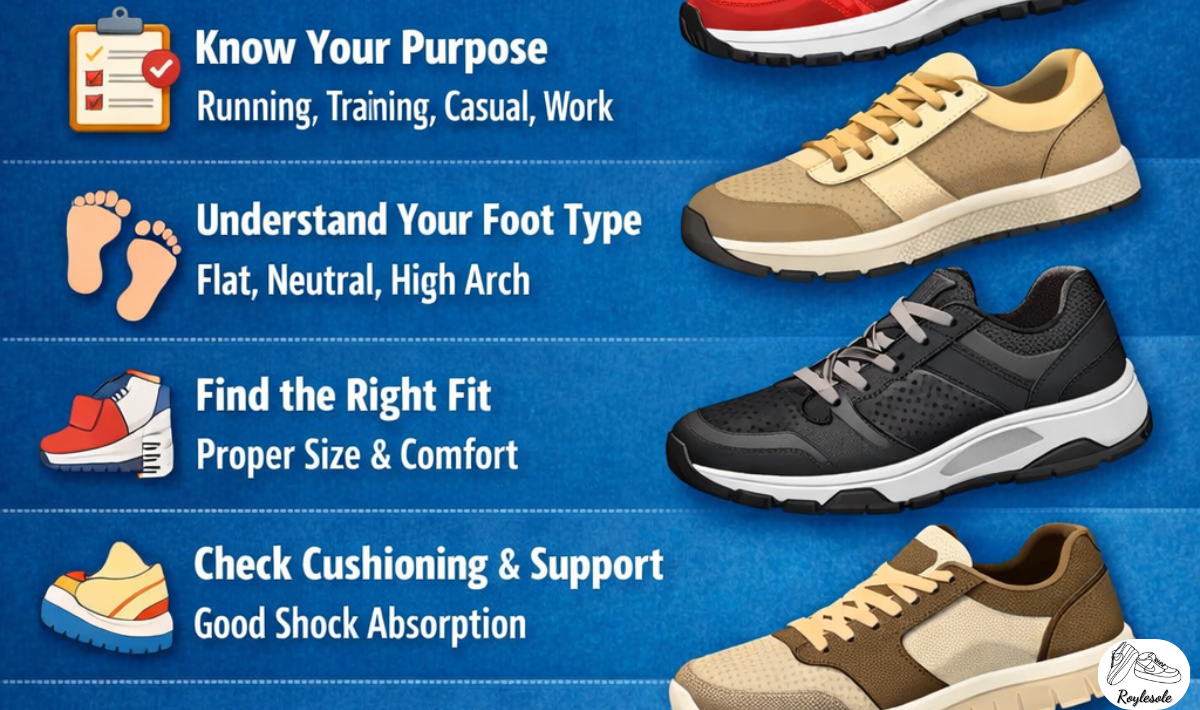
How to Choose Sneakers? Identifying the purpose establishes a foundation for all selection decisions. Running sneakers differ significantly from lifestyle or training sneakers. Purpose determines cushioning, flexibility, traction, and stability requirements. Using incorrectly chosen sneakers compromises performance, comfort, and safety. Please always make sure to define primary activities before comparing choose sneakers options.
How to Choose Sneakers? Casual choose sneakers prioritize aesthetics, comfort, moderate support, and daily usage. Performance choose sneakers focus on sport-specific biomechanics and durability. Walking travel sneakers emphasize cushioning, lightweight construction, and breathability. Work sneakers may require slip-resistant protective materials certifications. A clear purpose simplifies narrowing suitable sneaker categories efficiently.
Knowing Your Foot Type
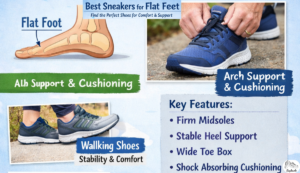
How to Choose Sneakers? Understanding foot type helps determine necessary support and cushioning. Feet vary by arch height, width, and pronation movement patterns. Flat feet require stability-structured midsoles preventing overpronation. High arches need cushioning, flexibility absorbing impact effectively. Neutral feet benefit from balanced support and versatile sneaker designs.
Professional gait analysis offers accurate insights into foot mechanics. Simple home tests also reveal arch types reliably. Ignoring foot type increases injury risk, discomfort, and poor alignment. How to choose Sneakers brands often label models for specific foot types. Use this information to filter suitable and choose sneakers options confidently.
Choose Sneakers the Right Fit
Proper fit is crucial for sneaker comfort and performance longevity. Ill-fitting sneakers cause blisters, pressure points, long term injuries. Measure feet regularly as size changes with age. Fit should allow toe movement without excessive sliding. The heel should feel secure without rubbing or slipping.
Always try sneakers with socks intended for actual use. Walk and run lightly to assess in-store comfort. Check the width adequacy, preventing squeezing or instability. Avoid assuming breaks in periods solve poor fit. Comfort should feel immediate without painful pressure areas.
Evaluating Cushioning and Support
Cushioning absorbs impact, protecting joints during movement activities. Different sports require varying cushioning thickness and responsiveness. Running sneakers need shock absorption for repetitive ground contact. Training sneakers require stability for lateral dynamic movements. Lifestyle sneakers balance cushioning with ground feel comfort.
Support structures maintain foot alignment and reduce excessive motion. Midsole materials influence responsiveness, durability, and energy return. Heel counters stabilize the rearfoot, preventing wobbling injuries. Arch support should match foot type and activity. Balanced cushioning support enhances performance and reduces fatigue.
Assessing Materials and Breathability
Upper materials affect comfort, durability, breathability, and overall sneaker performance. Mesh uppers provide ventilation, keeping feet cool and dry. Leather uppers offer durability, structure premium appearance. Synthetic materials balance weight, flexibility, and water resistance. Material choice should match climate activity usage conditions.
Breathability prevents moisture buildup, reducing odor blister risks. Ventilation is essential for high-intensity athletic activities. Poor airflow causes overheating discomfort during extended wear. Inspect the material quality and stitching reinforcement points carefully. Durable materials ensure sneakers withstand regular demanding usage.
Considering Sole and Traction
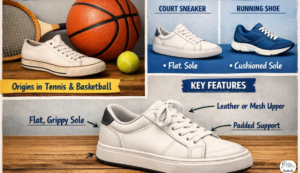
Outsole design determines traction grip on various surfaces. Rubber outsoles provide durability, grip, and flexibility for most sneakers. Trail sneakers require aggressive lugs for uneven terrains. Court sneakers need flat, grippy soles to prevent slips. Inappropriate traction increases fall injury risks significantly.
The midsole outsole combination affects stability, flexibility, and movement control. Flex grooves allow natural foot movement transitions. Heel-to-toe drop influences posture and running mechanics. Evaluate sole thickness based on activity requirements. Traction selection should reflect typical walking and running environments.
Weight and Flexibility Factors
Sneaker weight influences speed, fatigue, and comfort during movement. Lightweight sneakers enhance agility and responsiveness, especially for running. Heavier sneakers may provide stability, protection, and support. Flexibility allows natural foot motion and stride efficiency. Stiff sneakers restrict movement, causing discomfort and potential injuries.
Test flexibility by bending sneakers at the forefoot area. Sneakers should flex where feet naturally bend. Overly flexible sneakers may lack necessary support. Balance weight flexibility according to intended activities. Optimal design complements movement without hindering performance.
Style and Aesthetic Preferences
Style influences confidence and satisfaction when wearing sneakers publicly. Color design branding reflects personal taste and lifestyle identity. Fashion sneakers prioritize appearance over technical performance features. However, comfort should never be sacrificed for style. Choose designs aligning wardrobe versatility usage contexts.
Neutral colors offer versatility across various occasions. Bold designs express personality statements and fashion trends. Consider sneaker silhouette proportions matching the body frame. Timeless designs ensure longer aesthetic relevance and satisfaction. Balance style preferences with functional requirements thoughtfully.
Budget and Value Considerations
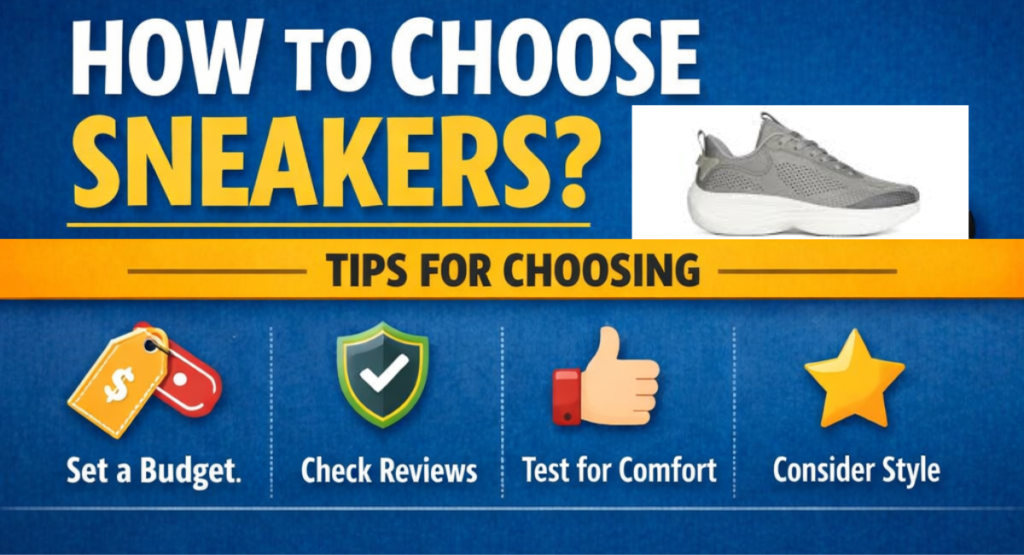
Budget influences available materials, technology, and brand options. A higher price often reflects research quality and construction durability. However, expensive sneakers are not always superior choices. Evaluate features relative to the price value offered. Set a realistic budget balancing quality and affordability needs.
Sales discounts at outlet stores provide quality sneakers affordably. Avoid extremely cheap sneakers with compromising materials support safety. Investing moderately often yields the best performance longevity. Consider the cost per wear long-term value. Smart budgeting ensures satisfaction without overspending unnecessarily.
Brand Reputation and Reviews
Brand reputation indicates consistency, quality, innovation, and reliability. Established brands invest heavily in research on athlete feedback. Customer reviews reveal real-world performance durability insights. Professional reviews analyze technical aspects objectively. Use multiple sources for balanced, informed opinions.
Avoid relying solely on marketing claims and advertising hype. Compare similar models across brands objectively. Check warranty policies, return options, and customer support. Trusted brands often provide better after-sales service. Informed brand evaluation reduces purchase regret risks.
FAQ’s
What are the most important factors when choose sneakers?
Key factors include purpose, fit, support materials, cushioning, traction, and durability. These elements determine comfort, performance, safety, and overall satisfaction. Ignoring any factor increases discomfort and injury. Balanced evaluation ensures sneakers meet personal activity needs. Informed choices deliver long-lasting value and comfort.
How often should sneakers be replaced?
Sneakers typically require replacement after three hundred miles of usage. Daily wear sneakers may last six to twelve months. Worn cushioning, traction, and support increase injury risks. Inspect soles midsoles regularly for wear signs. Replace promptly to maintain comfort, performance, and protection.
Are expensive sneakers always of better quality?
Higher prices often reflect materials research and branding investments. However, quality depends on the design materials’ suitability for usage. Some mid-priced sneakers offer excellent performance value. Evaluate features reviews rather than price alone. Smart comparisons prevent unnecessary overspending mistakes.
Can one pair of sneakers suit all activities?
No single sneaker excels across all activity types. Different activities demand specific support cushioning traction designs. Using multipurpose sneakers compromises performance and safety. Activity-specific sneakers enhance comfort, efficiency, and injury prevention. Choose based on primary usage priorities realistically.
Should sneakers feel tight initially?
Sneakers should feel comfortable immediately without painful pressure. Slight snugness is acceptable, but tightness is not. Materials may soften slightly, but size will not change. Persistent discomfort indicates an improper fit unsuitable model. Prioritize immediate comfort during the fitting process.
Conclusion
Choosing sneakers requires balancing purpose, fit, support, materials, and style. Every decision influences comfort, performance, health, long term satisfaction. Systematic evaluation simplifies navigating crowded sneaker markets. Understanding personal needs prevents costly, uncomfortable mistakes. Use this guide to make confident, informed sneaker choices.
Quality sneakers support daily movement and enhance wellbeing. Thoughtful selection improves posture and reduces injury risks. Invest time researching and testing before final purchase. Proper sneakers become reliable partners across activities. Smart choices ensure comfort, confidence, and durability with every step.



Post Comment