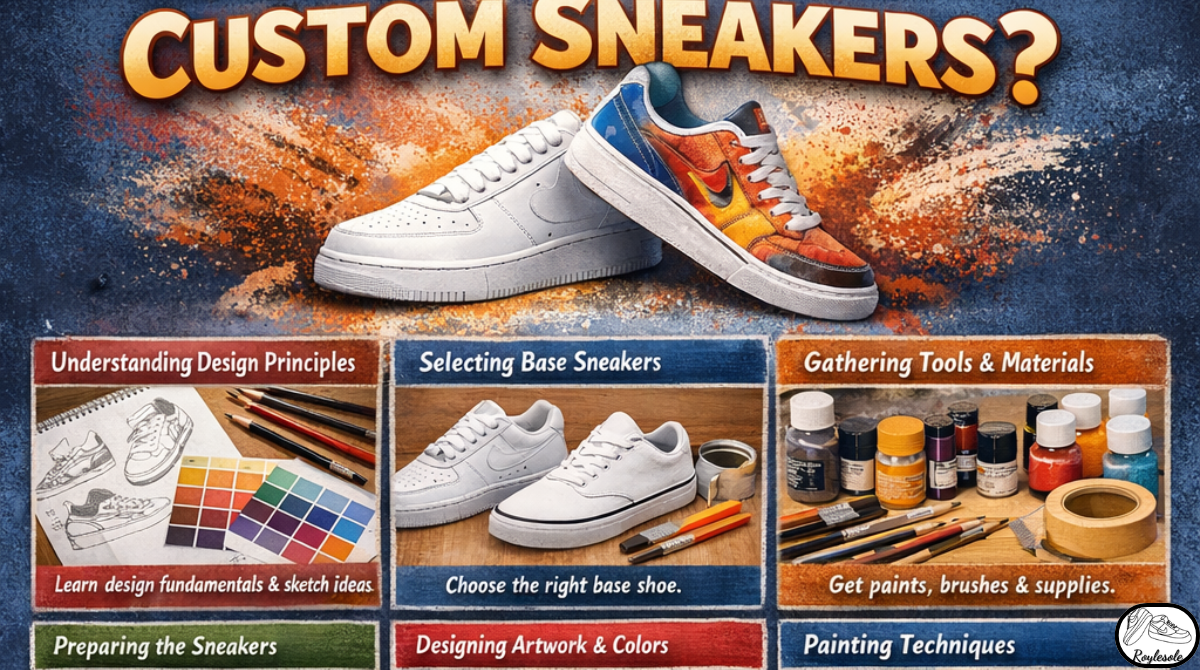
How to Create Custom Sneakers?
Sneakers represent culture, creativity, performance, fashion, and personal identity worldwide. Custom sneakers allow wearers to express individuality through intentional design. Here, we explain the processes and tools required to create custom sneakers. Readers will learn techniques, material choices, workflows, and finishing strategies. Learn these steps improves results, durability, aesthetics, and creative satisfaction.
Sneaker customization blends art, craftsmanship, engineering, branding, and functional design. Successful projects begin with research, inspiration, clear goals, and preparation. Designers must consider foot anatomy, comfort wear patterns, and movement. Balancing aesthetics with performance ensures custom sneakers remain wearable and practical. This balance separates amateur customs from professional-grade footwear projects.
Custom sneakers creation follows stages from concept to final assembly. Each stage requires patience, precision, practice, and attention to detail. Beginners benefit from learning fundamentals before attempting complex design projects. Experienced designers refine methods using feedback experimentation and continuous improvement. Following this guide helps readers approach customization confidently and creatively.
Table of Contents
Custom Sneakers Design Principles
Design principles guide visual harmony functionality comfort and brand consistency. Color theory influences mood contrast, balance, and storytelling within sneakers. Shape proportion line weight and spacing affect overall perception significantly. Designers should study iconic models to understand timeless successful compositions. Applying principles intentionally prevents cluttered visuals and inconsistent messaging outcomes.
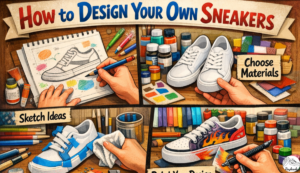
Sketching concepts translates abstract ideas into tangible visual plans effectively. Multiple sketches explore variations before committing materials time and resources. Digital design tools enhance precision layering recoloring and rapid iteration. However hand sketches remain valuable for spontaneous creativity and exploration. Combining both approaches strengthens design clarity and execution confidence overall.
Selecting Base Custom Sneakers for Customization
Choosing appropriate base Custom sneakers determines difficulty, durability, and customization potential. Leather uppers accept paint better than mesh fabrics for customization. Flat panels simplify artwork application compared to heavily textured surfaces. Classic silhouettes offer familiarity and proven comfort across foot types. Consider sizing, availability cost, and replaceability before starting projects carefully.
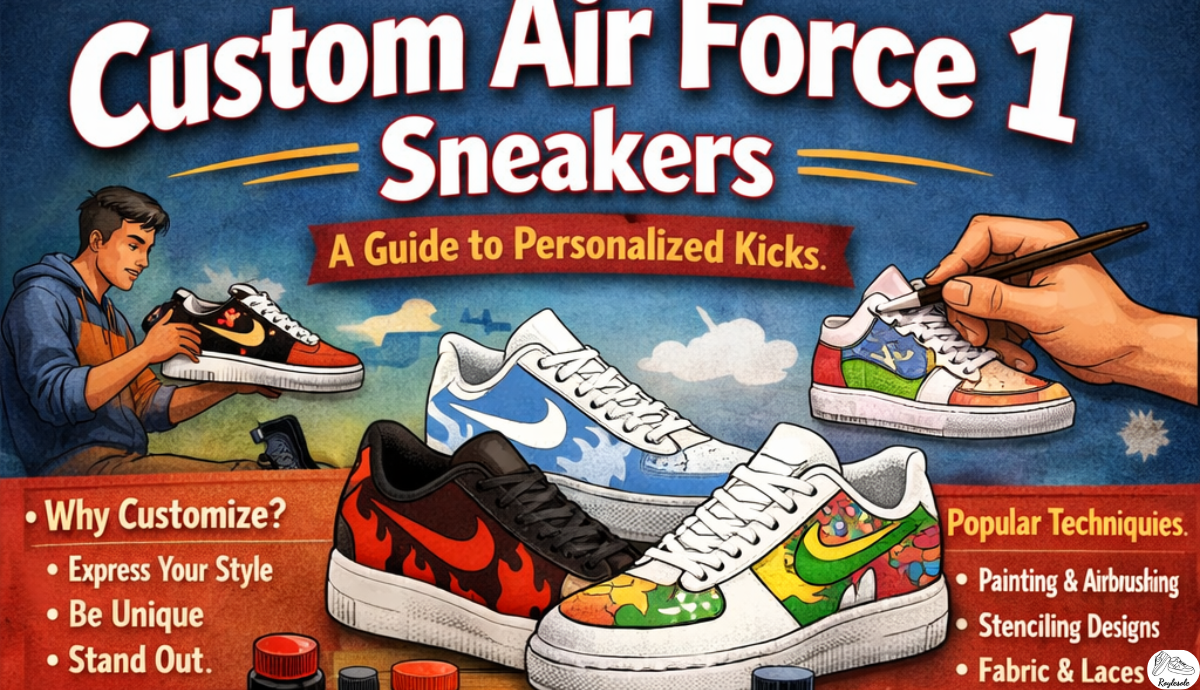
Popular choices include Air Force Ones Vans and similar models. These sneakers feature durable construction accessible pricing and abundant tutorials. White colorways provide blank canvases for vibrant, creative expression projects. Avoid heavily knit uppers unless experienced with specialized paints techniques. Selecting wisely reduces frustration and improves final customization quality significantly.
Gathering Essential Tools and Materials
Proper tools enable clean execution consistent results and professional finishes. Essential supplies include paints brushes masking tape cleaners and sealants. Use acrylic leather paints formulated specifically for footwear applications projects. Standard acrylics crack peel and fade under flexing conditions quickly. Quality brushes maintain shape enabling smooth lines and gradients consistently.
Masking tape protects areas ensuring crisp edges between colors accurately. Leather preparer removes factory coatings improving paint adhesion and durability. Finishing sealants guard artwork against moisture abrasion and ultraviolet exposure. Investing in proper materials saves time money and rework later. Organized workspaces also contribute to efficiency safety and creative focus.
Preparing Sneakers Before Customization
Preparation ensures paint bonds effectively and designs last longer overall. Remove laces, insoles, and accessories before beginning work carefully. Clean uppers thoroughly using leather preparer or mild solutions only. This step eliminates oils dirt and residues hindering adhesion problems. Light sanding may improve the texture on glossy leather surfaces slightly.
Mask soles midsoles logos and interiors using precision tape carefully. Proper masking prevents accidental paint marks and uneven edges later. Work in ventilated dust free areas for safety and comfort. Allow shoes to dry completely before applying any paint layers. Thorough preparation establishes a foundation for successful, lasting customization results.
Designing Artwork and Color Schemes
Artwork planning determines narrative theme, mood, and visual coherence. Choose color palettes reflecting inspiration brand identity or personal stories. Limit palettes initially to maintain balance and avoid clutter issues. Contrast highlights focal points while harmony ensures pleasing flow throughout. Test colors on paper or scrap materials beforehand carefully first.
Plan artwork placement respecting panel shapes, seams, and movement patterns. Avoid critical designs near flex points prone to cracking issues. Symmetry creates order while asymmetry introduces dynamic interest and tension. Typography elements require legibility considering curvature and distance viewing conditions. Thoughtful design planning reduces mistakes and revisions later during production.
Applying Paint and Artistic Techniques
Paint application demands patience, thin layers, and controlled strokes consistently. Multiple thin coats outperform single thick layers for durability flexibility. Allow each layer to dry before adding subsequent coats fully. Use light-pressure brushes or airbrushes for smooth finishes consistently. Detail work benefits from smaller brushes steady hands and focus.
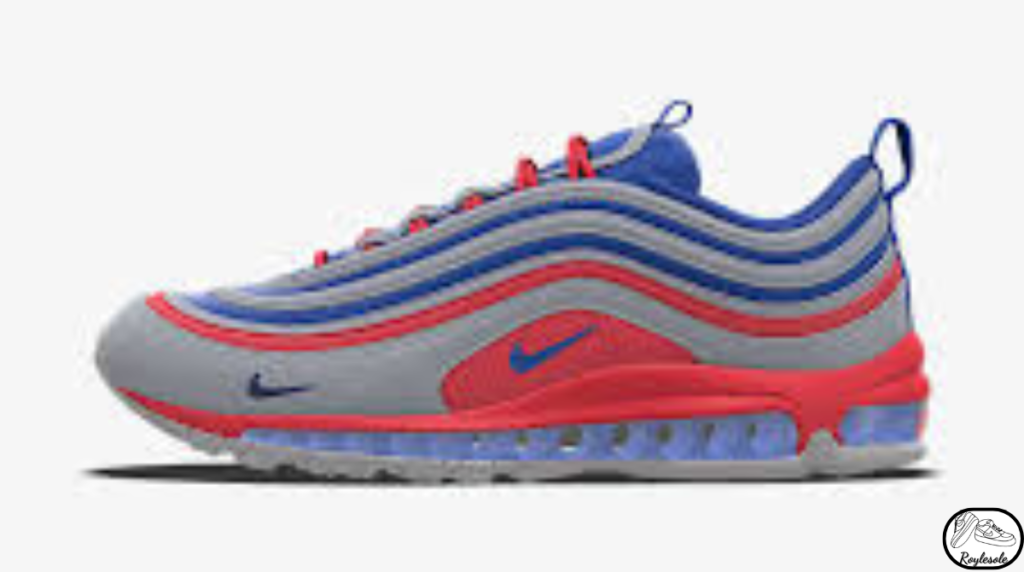
Advanced techniques include gradients splatter effects stenciling and layering methods. Practice techniques separately before applying them to sneakers directly. Mistakes can be corrected early using gentle cleaning or repainting. Rushing increases errors, uneven textures, and compromised durability significantly. Patience ultimately produces refined professional looking custom sneakers results consistently.
Drying, Curing, and Setting the Paint
Drying and curing stages stabilize paint for long-term wear. Initial drying allows surface moisture to evaporate safely before handling. Curing strengthens paint bonds through chemical and physical processes occurring. Follow manufacturer guidelines regarding drying times and conditions carefully always. Humidity temperature and airflow influence curing effectiveness significantly during processes.
Avoid wearing sneakers until the paint fully cures properly inside out. Premature wear causes cracking peeling and color transfer issues quickly. Some artists use low heat to accelerate curing cautiously sometimes. Never exceed recommended temperatures risking material damage or warping issues. Proper curing preserves artwork integrity and extends sneaker lifespan significantly.
Sealing and Protecting Custom Sneakers
Sealing locks in colors protecting designs from environmental damage effects. Use compatible sealants formulated specifically for painted footwear applications only. Matte satin or gloss finishes alter final appearance significantly overall. Apply sealant in thin even coats for best results consistently. Allow adequate drying time between sealant layers for protection effectiveness.
Sealants improve water resistance, stain protection, and color longevity benefits. They also add flexibility preventing cracking during movement activities daily. Reapply protective coatings periodically for heavily worn sneakers during use. Avoid excessive buildup which can dull details and textures visibility. Proper sealing maintains professional appearance throughout sneaker lifespan and value.
Caring for Custom Sneakers After Completion
Post completion care preserves design quality and wearability over time. Clean sneakers gently using soft brushes and mild cleaners only. Avoid machine washing soaking or harsh chemicals that damage finishes. Store sneakers in cool dry environments away from sunlight exposure. Use shoe trees to maintain shape and reduce creasing storage.
Rotate footwear to minimize wear on customized pairs over time. Touch up small scuffs promptly to prevent spreading damage issues. Periodic resealing refreshes protection for frequently worn customs during seasons. Responsible care extends sneaker life and maintains artistic value longterm. Well maintained customs continue representing craftsmanship creativity and identity proudly.
Building Skills and Growing as a Customizer
Skill development requires practice, study, experimentation, and honest evaluation consistently. Analyze completed projects identifying strengths weaknesses and improvement areas clearly. Seek feedback from peers clients and online communities regularly actively. Study professional customizers techniques styles and business practices carefully often. Continuous learning keeps work relevant competitive and innovative within industry.
Experimenting with materials expands creative vocabulary and capabilities over time. Document processes builds portfolios useful for marketing and reflection purposes. Set personal challenges to push skills beyond comfort zones regularly. Over time dedication transforms beginners into confident professionals within industry. Growth mindset ensures long term success in custom sneaker creation.
FAQ’s
How long does it take to create custom sneakers professionally?
Time varies based on the complexity of drying stages and experience level. Simple designs may finish within several days, including curing time. Detailed artwork often requires weeks to complete properly without rushing. Rushing processes risk durability, quality, and appearance problems in the later stages. Allowing adequate time ensures better, long-lasting results consistently.
What paints are best for customizing leather sneakers successfully professionally?
Acrylic leather paints specifically formulated for footwear perform best. They flex with materials, reducing cracking and peeling issues significantly. Brands like Angelus offer reliable, consistent professional results worldwide today. Avoid standard craft paints not designed for shoe movement flexibility. Proper paint choice significantly impacts durability, appearance, and longevity outcomes.
Can beginners successfully create custom sneakers without prior experience today?
Yes, beginners can succeed by following instructions and practicing consistently. Starting with simple designs builds confidence and foundational skills gradually. Using quality materials reduces technical challenges during projects significantly. Online tutorials, communities and guides provide helpful learning support resources. Patience and willingness to learn drive beginner success forward.
How durable are custom sneakers compared to factory-made shoes?
Durability depends on the preparation materials, techniques, and proper sealing methods. Well-executed customs can match or exceed factory durability standards. Poor preparation or materials significantly reduce lifespan and wearability performance. Regular care further improves the longevity of customized sneakers during use. Durability ultimately reflects skill, discipline, and maintenance practices consistently applied.
Is selling custom sneakers a viable creative business opportunity today?
Yes, custom sneakers represent growing demand within fashion markets globally. Success requires quality branding, marketing, customer service, and consistent efforts. Pricing should reflect time, materials, skill, and uniqueness accurately and fairly. Building portfolios and online presence attracts potential clients effectively and consistently. With dedication, custom sneaker businesses can become sustainable, profitable ventures.
Conclusion
Custom sneaker creation combines creativity, planning technique, and disciplined execution. Following structured processes improves quality, durability, and professional outcomes consistently. From design to sealing, each step contributes to success. Attention to preparation materials and curing prevents common failures in projects. Well executed customs balance aesthetics, comfort, and long-lasting wear.
This guide empowers creators to approach customization confidently and professionally. Practice patience and learning lead to continual improvement over time. Custom sneakers become meaningful expressions of skill, passion, and identity. Commitment to craft transforms simple shoes into wearable art pieces. Ultimately, thoughtful customization delivers lasting value, personal satisfaction, and distinction.
Post Comment