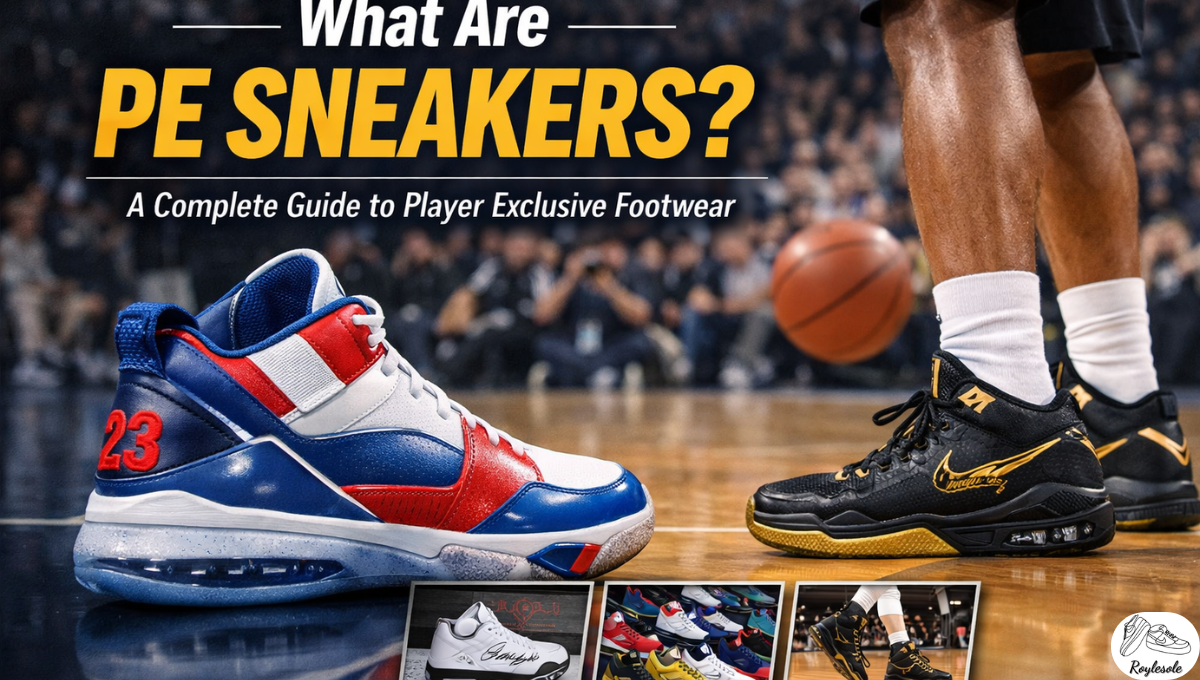
What Are PE Sneakers? A Guide to Player-Exclusive Sneakers
Sneakers represent modern footwear, blending athletic performance, culture, fashion, and innovation. They evolved from simple rubber-soled shoes into global lifestyle symbols. Collectors, athletes, designers, and everyday consumers all value sneakers highly. Different categories exist, including performance, lifestyle, limited, and exclusive models. Understanding sneaker terminology helps consumers appreciate value, purpose, and cultural relevance.
Among exclusive sneaker categories, PE sneakers hold unique cultural significance. The term PE frequently appears within sneaker collecting and athlete discussions. Many enthusiasts misunderstand PE sneakers, their purpose, and market availability. This article explains these sneakers clearly, covering history, function, and impact. Readers will gain structured knowledge about sneakers and exclusive PE models.
Sneakers connect sports performance, identity expression, and evolving fashion trends worldwide. Exclusive models amplify storytelling through scarcity, personalization, and athlete association. PE sneakers represent the intersection of performance needs and personal branding. They highlight innovation while reinforcing athlete relationships with major footwear brands. Understanding PE sneakers fosters a deeper appreciation of sneaker culture as a whole.
Table of Contents
What Are PE Sneakers?
PE sneakers mean Player Exclusive sneakers made for specific athletes. They are designed to meet personal performance and comfort requirements. Brands customize materials, colors, and support features for individual players. PE sneakers rarely release publicly, increasing their rarity and desirability. They often showcase unique colorways unavailable through standard retail channels.
These sneakers usually match team colors, player preferences, or milestones. Athletes test innovations through these sneakers before commercial release sometimes. These sneakers differ significantly from samples or limited editions. They remain exclusive tools rather than commercial products generally. Collectors value them for rarity, athlete connection, and storytelling.
History of PE Sneakers
These sneakers originated from professional sports endorsement relationships decades ago. Brands sought athlete feedback to improve performance footwear designs. Early PE models focused on basketball players primarily. Customization allowed athletes to perform optimally during competitive games. These practices gradually formalized into Player Exclusive programs.
Over time, these sneakers expanded across multiple sports disciplines. Football, baseball, tennis, and running athletes received personalized footwear. Brands refined manufacturing to support small, exclusive production runs. Technology advancements enabled precise customization without mass distribution. These sneakers became symbols of elite athletic status.
Design Features of PE Sneakers
These sneakers include tailored cushioning systems for individual movement styles. Athletes influence midsole responsiveness, impact protection, and stability features. Uppers may feature custom materials enhancing breathability or containment. Designers adjust fit dimensions to match the athlete’s foot anatomy. These modifications support peak performance during high-intensity competition.
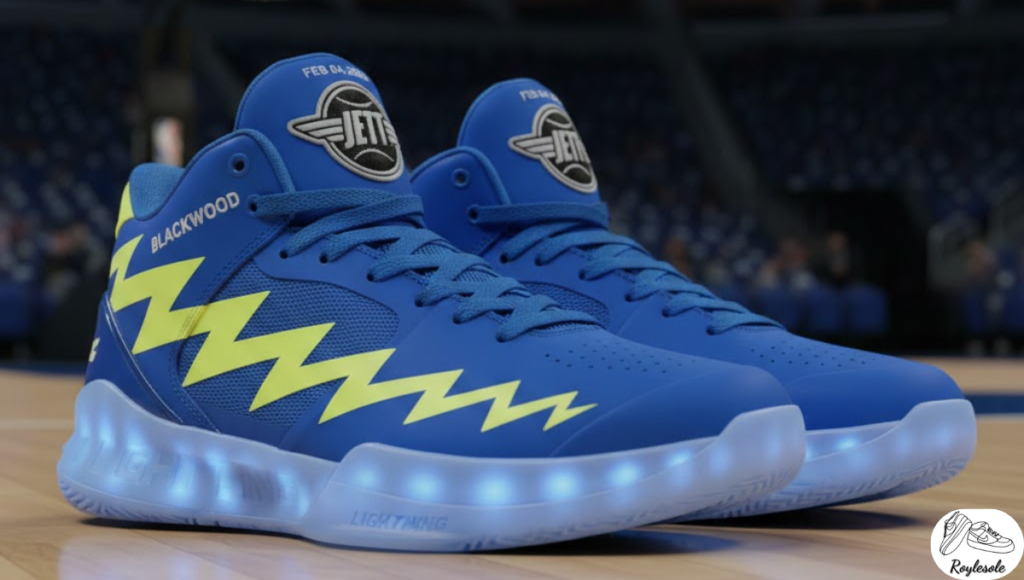
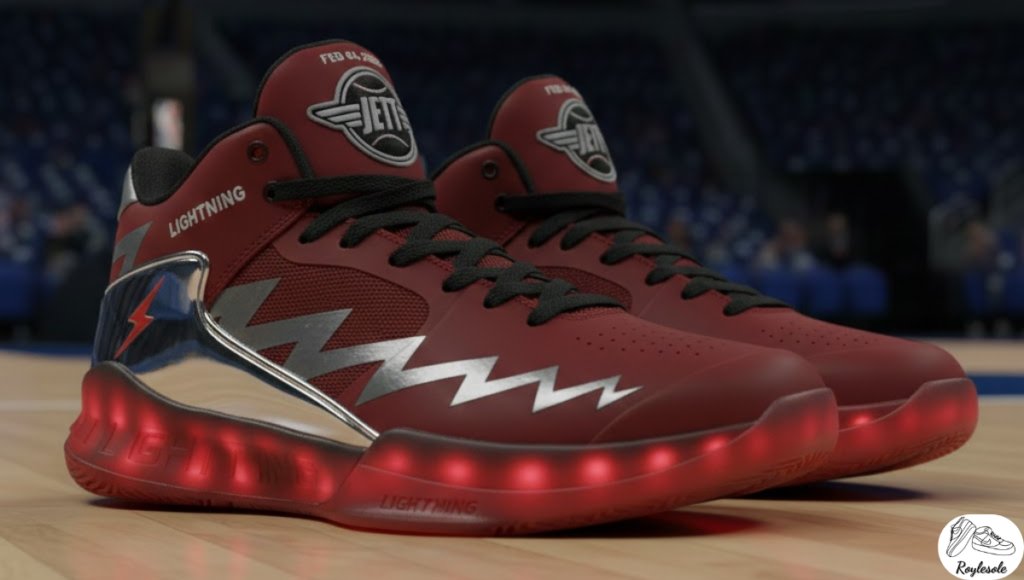
Visual design remains equally important for these sneakers. Colors often represent teams, national flags, or personal branding. Logos, initials, or numbers may appear on sneakers. Unique patterns differentiate PE models from retail versions clearly. Such details increase collector interest and cultural value significantly.
Performance Benefits of Sneakers
These sneakers prioritize athlete performance over commercial mass appeal. Customized support reduces injury risk during repetitive athletic movements. Cushioning systems adapt to player weight, position, and playstyle. Traction patterns optimize court or field grip precisely. These features collectively enhance confidence and in-game efficiency.
Athletes rely on consistency from footwear during competition. These sneakers eliminate the compromise caused by generic sizing or materials. Personalized construction ensures predictable responsiveness throughout gameplay. This reliability contributes directly to professional athletic success. Brands gather performance data through these exclusive implementations.
These Sneakers Versus Retail Sneakers
Retail sneakers target broad audiences with standardized designs. They balance performance, style, and affordability considerations. These sneakers disregard mass production limitations entirely. Customization focuses solely on one athlete’s requirements. This distinction explains the limited public availability of these sneakers.
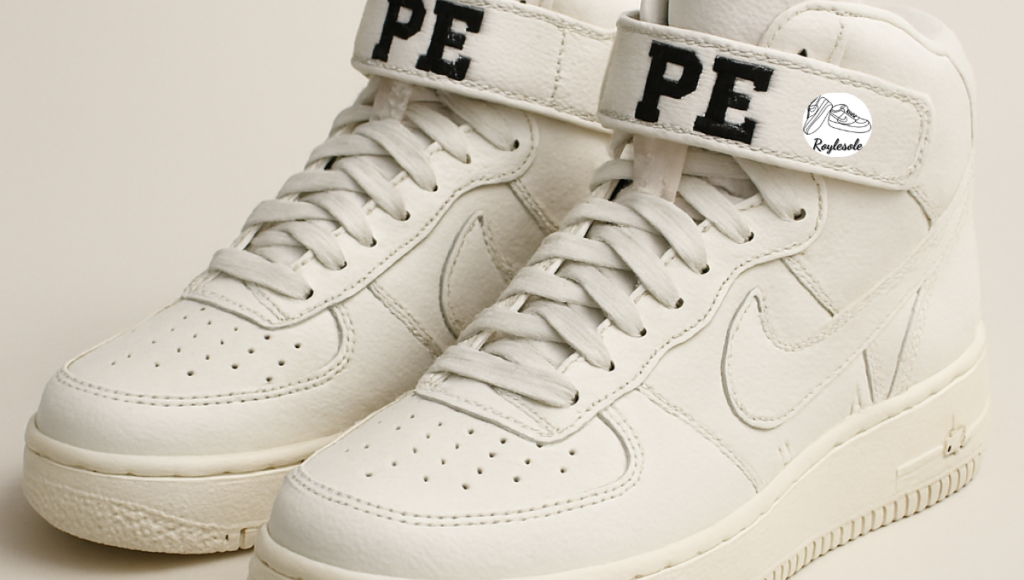
Retail versions sometimes resemble PE models aesthetically. However, internal construction often differs substantially. Materials, cushioning, and fit specifications remain exclusive. Consumers may receive inspired versions instead. True these sneakers remain athlete-only in most cases.
Market Value of Sneakers
PE sneakers rarely enter resale markets legitimately. When available, prices reach extremely high levels. Collectors pay premiums for athlete-worn or signed pairs. Provenance significantly affects valuation and desirability. Condition and authentication remain critical for collectors.
Some PE sneakers appear through auctions or private sales. These transactions involve high-profile collectors or institutions. Museums sometimes acquire PE sneakers for exhibitions. Such placements reinforce cultural and historical significance. Market scarcity ensures sustained long-term value appreciation.
PE Sneakers in Sneaker Culture
PE sneakers influence design trends across sneaker communities. Collectors admire the exclusivity and craftsmanship displayed. Stories behind each pair add narrative depth. Athlete association strengthens emotional and cultural attachment. PE sneakers symbolize ultimate sneaker achievement for enthusiasts.
Social media amplified the visibility of PE sneakers dramatically. Athletes showcase pairs during games and practices. Fans analyze details and speculate about releases. This exposure fuels hype and discussion continuously. PE sneakers remain aspirational icons within sneaker culture.
Brand Relationships With Athletes
Brands invest heavily in athlete partnerships, producing PE sneakers. These relationships provide product testing and marketing visibility. Athletes offer valuable feedback, improving future retail releases. PE sneakers act as incentives within endorsement contracts. Mutual benefits strengthen long-term brand loyalty.
Signature lines sometimes evolve from PE sneaker concepts. Successful features transition into commercial products eventually. Athlete influence shapes brand identity and innovation direction. PE sneakers remain experimental platforms for brands. This collaboration drives the footwear evolution industry-wide.
Ethical and Access Considerations
PE sneakers raise questions regarding access and exclusivity. Some fans feel excluded from culturally significant products. Brands balance athlete needs with consumer expectations carefully. Limited releases sometimes attempt to address demand. However, true PE sneakers remain intentionally restricted.
Ethical debates include resale exploitation and counterfeit risks. High values encourage unauthorized reproductions. Authentication challenges affect secondary market trust. Education helps consumers understand limitations and authenticity. Transparency strengthens credibility within sneaker communities.
Future of PE Sneakers
Technology will further enhance customization capabilities. 3D scanning enables precise fit personalization. Advanced materials improve performance and durability. PE sneakers will continue driving innovation pipelines. Athlete-centered design remains central to development.
Public engagement may increase through storytelling initiatives. Brands could showcase PE concepts digitally or at exhibitions. However, exclusivity will remain core to PE identity. These sneakers symbolize the pinnacle of performance footwear. Their influence will persist across sneaker culture.
FAQ’s
What does PE mean in sneakers?
PE means Player Exclusive, designed specifically for professional athletes. These sneakers meet individual performance and comfort needs precisely. They are not intended for general retail sale. Their exclusivity increases cultural and collector value significantly. PE sneakers symbolize elite athlete customization.
Can consumers buy these sneakers?
Generally, consumers cannot purchase these authentic sneakers directly. They are produced exclusively for athletes. Rarely, pairs appear through auctions or private sales. Prices remain extremely high when available. Most consumers access inspired retail versions instead.
Why are these sneakers so valuable?
These sneakers are valuable due to their rarity and athlete association. Customization makes each pair unique. Provenance increases emotional and historical significance. Limited availability drives high demand among collectors. Authentication further enhances value perception.
Do these sneakers influence retail designs?
Yes, these sneakers often influence future retail designs. Athlete feedback informs product improvements. Successful features transition into commercial models. Design inspiration spreads across sneaker lines. These sneakers function as innovation testing platforms.
Are these sneakers used in professional games?
Yes, athletes wear these sneakers during professional competitions. They rely on customized performance features. Comfort and reliability remain essential. These sneakers support elite athletic demands. Game usage increases the historical significance of pairs.
Conclusion
These sneakers represent elite personalization within sneaker culture. They prioritize athlete performance, innovation, and storytelling. Exclusivity distinguishes them from retail offerings clearly. Cultural impact extends beyond sports into fashion spheres. Understanding these sneakers deepens appreciation for sneakers overall.
As sneaker culture evolves, these sneakers remain aspirational icons. They highlight collaboration between athletes and brands. Innovation often begins within these exclusive models. Collectors and fans admire their rarity and significance. These sneakers define the highest tier of sneaker craftsmanship.








Post Comment