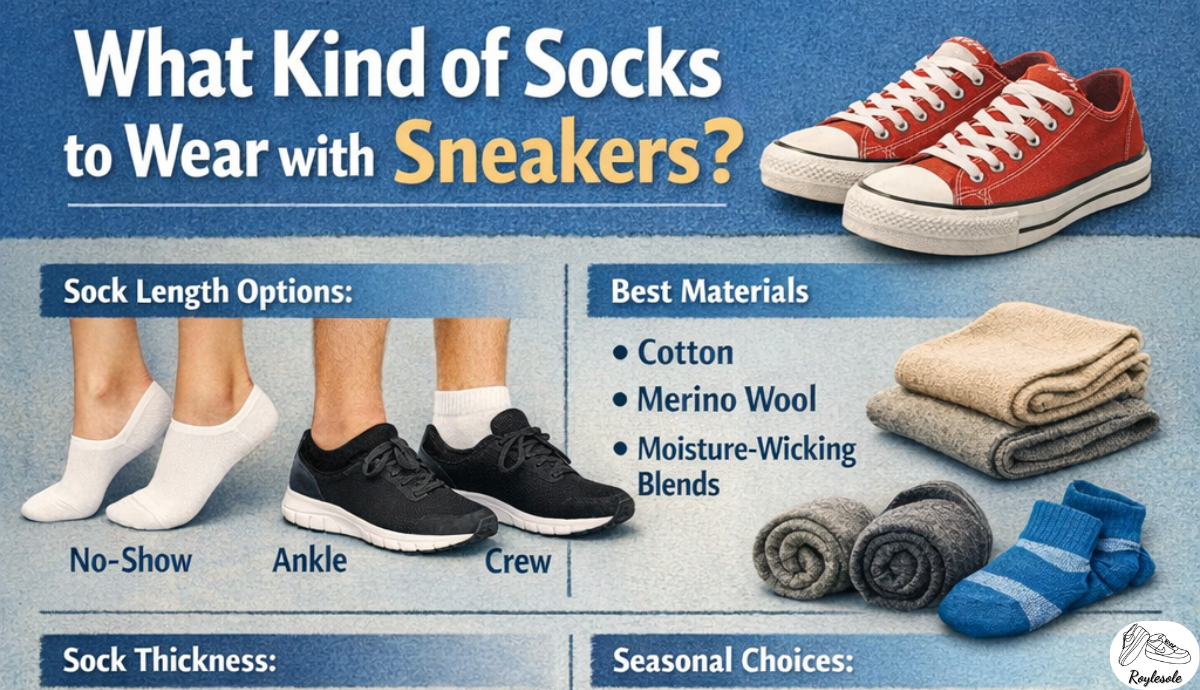
What kind of socks to wear with sneakers
Sneakers dominate modern wardrobes, blending comfort, performance, and everyday cultural expression seamlessly. Choosing appropriate socks enhances sneaker comfort, durability, hygiene, and visual appeal significantly. Understanding sock options helps people avoid discomfort, odor issues, and premature shoe wear. This article explores sock types, materials, styles, and situational choices for sneakers. Clear guidance ensures confident decisions supporting comfort, style, and long-term footwear satisfaction.
Sneakers suit countless lifestyles, from athletic training to professional casual environments today. Socks act as essential interfaces between feet and sneaker interiors daily. Incorrect sock choices can cause blisters, overheating, slipping, or unattractive proportions. Thoughtful sock selection improves foot health, moisture control, and visual balance. This discussion delivers structured, practical advice grounded in everyday usability.
Fashion trends evolve, yet functional basics like socks remain critically important. Sneaker sock pairings influence perceived style polish and outfit intentionality. Different sneaker designs demand different sock heights, thicknesses, and fabrics. Ignoring sock considerations undermines even premium sneaker investments quickly. Knowledge shared here empowers smarter, more comfortable sneaker wearing habits.
Table of Contents
Sock Length and Sneaker Proportions
Sock length strongly affects how sneakers appear on the foot visually. Low-cut socks create minimal visibility, emphasizing sneakers and lower leg lines. Crew socks add structure, contrast, and retro-inspired style elements. Mid-calf socks suit athletic sneakers and streetwear aesthetics particularly well. Choosing length depends on outfit balance, activity level, and personal comfort.
Sneaker silhouettes vary, influencing ideal sock length for harmony. Bulky sneakers often pair better with longer socks for proportional balance. Slim sneakers benefit from no-show or ankle sock designs. Visible sock height can intentionally frame the sneaker design. Awareness of proportions prevents awkward visual breaks around ankles.

Material Choices for Sneaker Socks
Sock material determines comfort, breathability, durability, and moisture management during wear. Cotton offers softness but retains moisture, causing discomfort during active use. Merino wool regulates temperature and resists odors effectively. Synthetic blends enhance moisture-wicking and quick-drying performance characteristics. Material selection should reflect activity intensity and climate conditions.
Breathable materials reduce sweat buildup inside sneakers significantly. Moisture control prevents bacterial growth and unpleasant odors. Durable fibers withstand friction from sneaker interiors over time. Blended materials often balance comfort, strength, and breathability best. Understanding fabrics ensures healthier feet and longer sock lifespans.
Thickness and Cushioning Considerations
Sock thickness influences fit, comfort, and sneaker interior space utilization. Thin socks provide lightweight feel and increased ground sensitivity. Cushioned socks absorb impact, reducing foot fatigue during prolonged activity. Overly thick socks may tighten fit and restrict circulation. Balance thickness according to sneaker design and intended usage.
Athletic sneakers often accommodate cushioned socks comfortably. Lifestyle sneakers usually pair better with moderate or thin socks. Seasonal temperatures also affect ideal sock thickness choices. Thicker socks add warmth but reduce breathability during summer. Thoughtful cushioning improves comfort without compromising fit integrity.
For Athletic Sneakers
Athletic sneakers demand performance-oriented socks supporting movement and endurance. Compression zones enhance blood flow and reduce muscle fatigue. Arch support features improve stability during running or training sessions. Seamless designs minimize friction and blister formation. Athletic sock engineering complements sneaker performance capabilities directly.
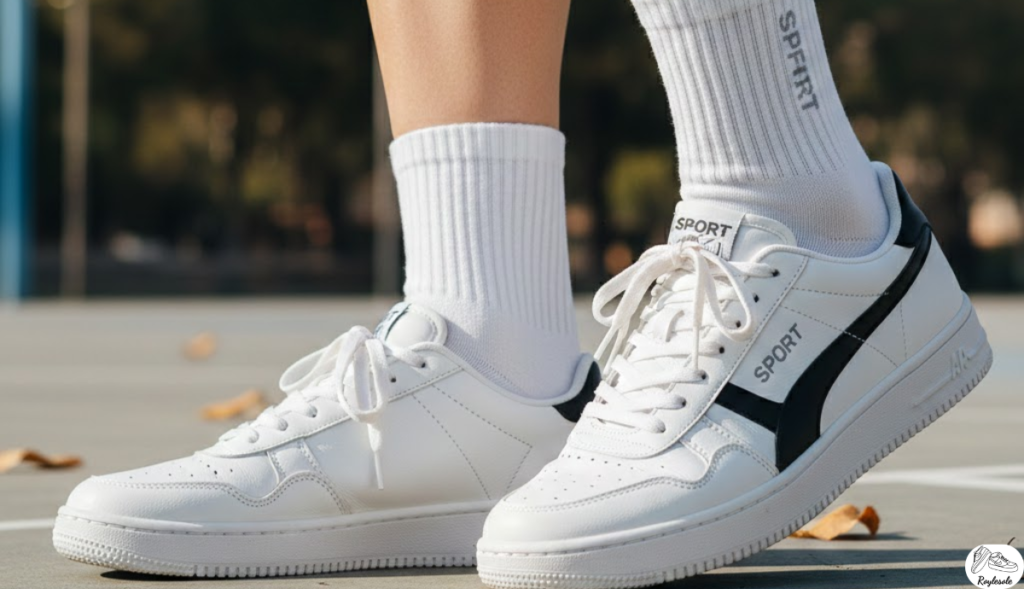
Moisture-wicking properties remain critical during intense physical activity. Breathable mesh panels improve ventilation around high-sweat areas. Reinforced heels and toes increase durability under stress. Proper athletic socks extend sneaker lifespan by reducing internal wear. Choosing sport-specific socks optimizes training comfort and effectiveness.
Casual and Lifestyle Sneakers
Casual sneakers allow greater stylistic freedom in sock selection. Patterned socks express personality while complementing relaxed outfits. Neutral socks maintain clean aesthetics for minimalistic sneaker designs. Crew socks enhance vintage and streetwear-inspired sneaker looks. Lifestyle choices prioritize style balance alongside basic comfort needs.
Fabric comfort remains important despite reduced performance demands. Light cushioning supports daily walking without excessive bulk. Color coordination between socks and outfits creates visual cohesion. Visible socks can intentionally contrast sneakers for stylistic statements. Casual contexts encourage experimentation within comfortable boundaries.
Formal Casual Sneaker Outfits
Modern fashion blends sneakers into semi-formal attire increasingly. Sock choices must appear intentional and refined in these settings. Thin, neutral-colored socks maintain polished visual transitions. Avoid athletic logos or bulky cushioning with tailored outfits. Elegance relies on subtlety, cleanliness, and proper proportions.
Ankle socks may appear too casual with formal elements. Crew socks in muted tones often work best visually. Material quality becomes more noticeable in dressier contexts. Smooth textures complement leather or minimalist sneaker designs. Refined sock selection elevates sneakers within smarter wardrobes.
Seasonal Sock Selection
Seasonal changes significantly influence sock comfort requirements. Summer demands breathable, lightweight minimizing heat retention. Winter benefits from insulating materials retaining warmth effectively. Transitional seasons require adaptable, moisture-managing sock fabrics. Ignoring seasonality leads to discomfort and foot health issues.
Thicker sock pairs well with winter sneakers and boots. Thin prevents overheating during warmer months. Merino wool adapts across seasons surprisingly well. Sock rotation should align with climate and activity changes. Seasonal awareness enhances year-round sneaker comfort.
Color and Pattern Coordination
Sock color influences overall outfit harmony and sneaker emphasis. Matching pants creates an elongated, streamlined leg appearance with these. Contrasting sock draws attention and add expressive flair. Patterned designs require balance with simpler sneaker designs. Color decisions should appear deliberate rather than accidental.
Neutral offers versatility across multiple sneaker styles. Bold patterns suit casual, creative, or streetwear outfits. Avoid clashing colors, undermining visual cohesion. Sock design can subtly echo outfit color accents. Thoughtful coordination elevates sneakers within complete looks.

Hygiene and Foot Health Considerations
Proper sock play vital role in maintaining foot hygiene. Moisture-wicking fabrics reduce fungal and bacterial growth risks. Cleaning this product prevents odor transfer into sneaker interiors. Frequent sock changes support overall foot health significantly. Ignoring hygiene accelerates sneaker deterioration and discomfort.
Proper fit prevents friction, causing blisters or skin irritation. Breathable products regulate temperature and moisture effectively. Seamless construction protects sensitive skin areas. Healthy feet improve overall comfort during daily wear. Sock quality directly impacts long-term sneaker usability.
FAQ’s
What sock length works best with most sneakers?
Ankle or crew products suit most sneakers, depending on the style and proportions.
Are cotton shoes suitable for everyday wear as sneakers?
Cotton products feel comfortable but lack moisture control for extended wear.
Do athletic sneakers require a special product for this?
Yes, the performance of these enhances support, moisture management, and durability.
Can these affect sneaker longevity?
Proper product reduces internal friction, moisture damage, and odor buildup.
How often should this sneaker be replaced?
Replace the sock when elasticity weakens, fabric thins, or odors persist.
Conclusion
Choosing appropriate transforms sneaker comfort, performance, and style significantly. Length, material, thickness, and color require thoughtful consideration. Different sneakers demand tailored sock choices for optimal results. Seasonal, activity-based, and stylistic factors guide effective decisions. Informed sock selection protects feet and preserves sneaker investments.
Ultimately, these represent essential yet often overlooked sneaker companions. Strategic choices enhance daily comfort and visual confidence. The quality of this product complements sneakers across athletic and casual contexts. Applying these principles ensures healthier feet and a polished appearance. Smart sock decisions complete well-considered sneaker outfits successfully.



Post Comment