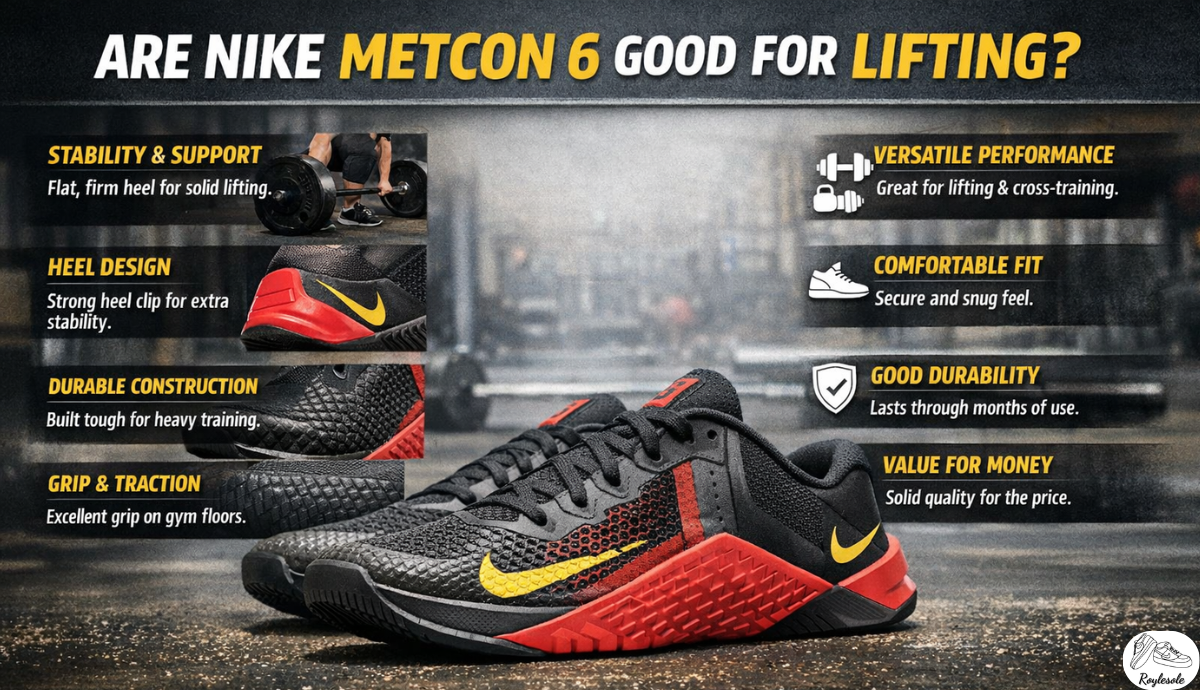
Are Nike Metcon 6 good for lifting?
Many lifters ask whether Nike Metcon 6 shoes suit lifting. This article explores comfort, stability, build quality, and gym performance. Readers will learn strengths, limits, and real training use clearly. The focus stays simple, practical, and honest for everyday gym users. All details aim to help buyers choose shoes confidently for lifting.
Weight training demands stable shoes supporting heavy loads and controlled movements. Poor footwear can hurt balance, power transfer, and long-term joint health. Nike designs Metcon shoes mainly for cross-training and strength work. Metcon 6 remains popular among lifters seeking versatility and durability. Understanding its design helps judge lifting suitability accurately.
This guide breaks down construction, fit, support, and training performance. It compares lifting needs with shoe features using simple explanations. No hype appears here, only realistic expectations from real gym use. Both beginners and experienced lifters gain useful insights from the discussion. Let us examine if Metcon 6 fits lifting goals properly.
Table of Contents
Design And Build Quality
Nike Metcon 6 features a tough upper built for training. Materials feel dense, supportive, and resistant to rope climb friction. The shoe structure looks firm, flat, and grounded for lifting stability. Reinforced sides prevent foot collapse during heavy squats and presses. Overall build supports gym abuse without feeling bulky or stiff.
The outsole uses durable rubber designed for grip on gym floors. Wide sole base increases contact area, improving balance under loads. Heel and forefoot feel solid without unwanted compression during lifts. Stitching quality appears strong, reducing the chances of early wear. Design favors function more than casual everyday comfort walking.
Stability For Heavy Lifting Sessions
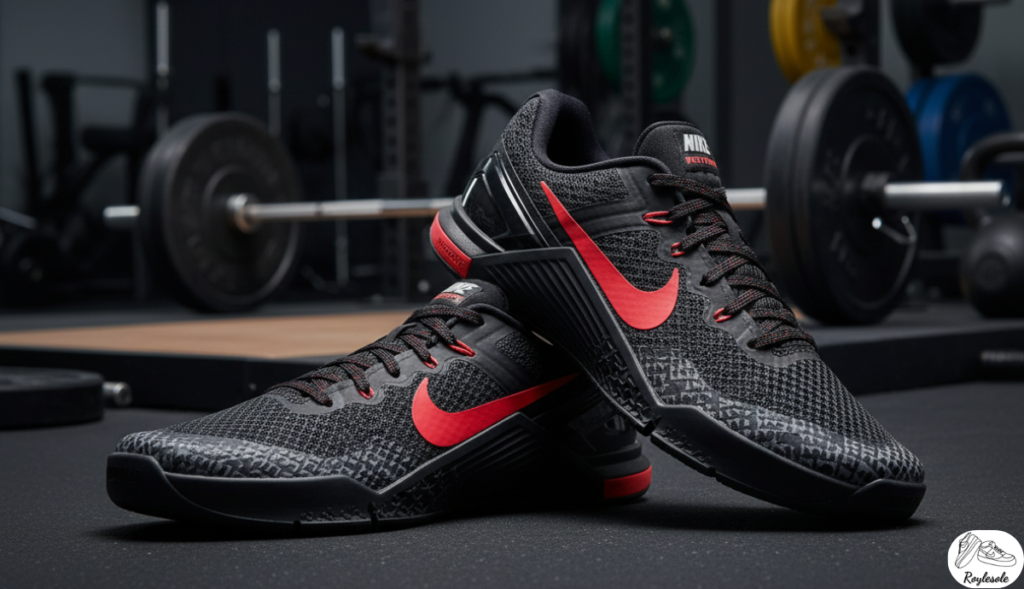
Stability matters most during squats, deadlifts, and overhead presses. Metcon 6 provides a flat platform supporting a strong ground connection. Heel remains firm, preventing energy loss under heavy barbell loads. The foot feels planted, which boosts confidence during slow, controlled movements. Lifters often praise consistent balance during compound lifts.
Unlike running shoes, cushioning stays minimal and controlled throughout. This prevents heel sinking when pushing through powerful leg drives. Wide heel improves lateral balance during sumo deadlifts or split squats. Sidewalls help stop foot rolling inward under uneven weight shifts. Stability remains predictable even during high-effort lifting sets.
Heel Structure And Lifting Support
Heel design plays a big role in lifting shoe performance. Metcon 6 heel uses dense foam instead of air cushioning. This keeps heel height stable while allowing slight comfort padding. Heel drop supports squats without forcing extreme ankle angles. Lifters with mobility limits often appreciate this moderate heel.
Heel clip extends outward, adding rear stability during heavy movements. This design helps when pulling weight from the floor strongly. It also aids transitions between lifting and quick gym movements. Heel support feels reliable without locking ankles unnaturally stiff. Overall heel structure suits varied strength exercises well.
Fit And Foot Lockdown Experience
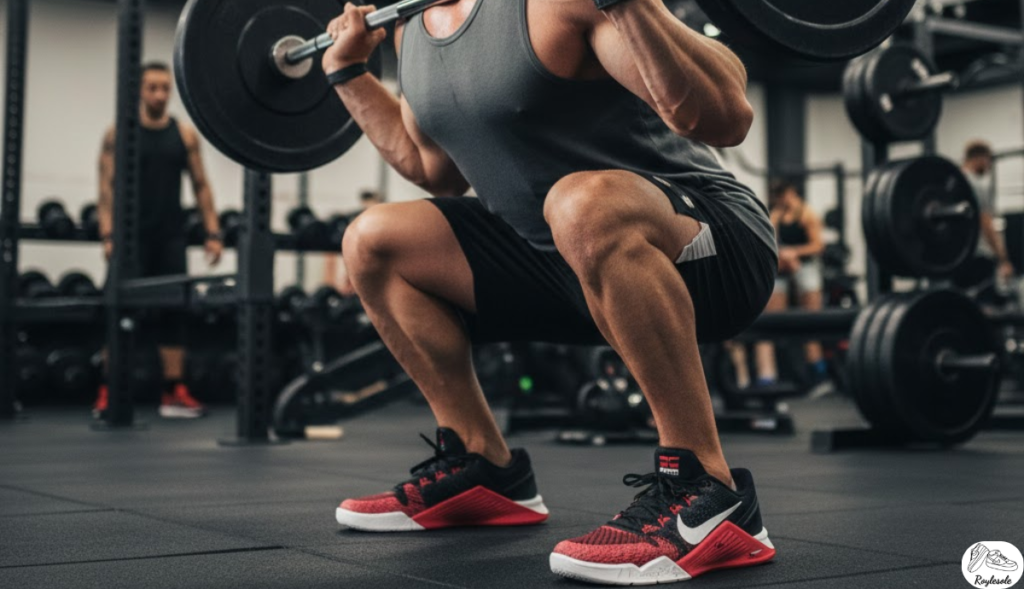
Fit feels snug without crushing toes or restricting blood flow. Metcon 6 runs true to size for most lifters. Upper mesh adapts slightly while maintaining structure during movements. Laces pull the foot securely into the heel cup area. Foot lockdown feels dependable when lifting heavy weights.
The toe box offers enough space for natural toe splay. This helps balance and comfort during squats and deadlifts. Not overly wide, but not narrow like racing shoes. People with very wide feet may feel slight tightness. Overall fit suits average gym foot shapes comfortably.
Comfort During Long Training Sessions
Comfort matters when sessions last over an hour. Metcon 6 padding feels firm but not painful over time. The midsole absorbs minimal shock without losing lifting stability. Feet stay supported during rest periods and accessory exercises. Breathability helps reduce sweat buildup during intense workouts.
The shoe does not feel plush like running sneakers. Instead, comfort comes from support and predictable foot placement. Some lifters need a short break in the period initially. After break in, comfort improves noticeably for most users. Long workouts feel manageable without foot fatigue complaints.
Traction And Grip On Gym Floors
Grip affects safety when lifting heavy loads or moving weights. Metcon 6 outsole grips rubber gym flooring very well. Traction remains strong during deadlifts and dynamic strength movements. Rubber pattern prevents slipping during controlled barbell lifts. Confidence increases knowing feet stay planted securely.
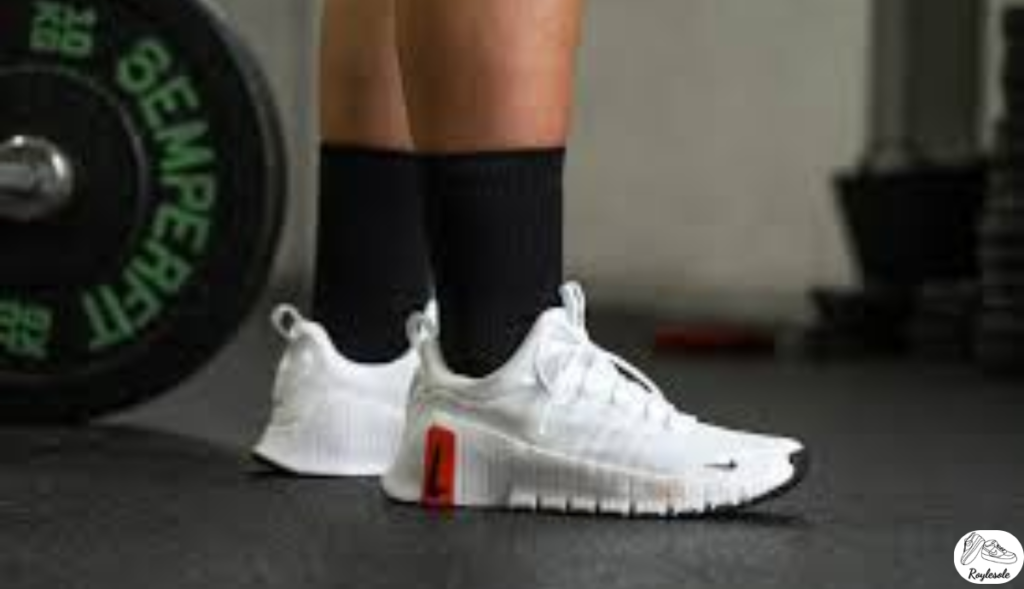
The shoe performs well on platforms and concrete floors. It handles chalky gym environments without losing grip. Lateral grip helps during lunges and accessory movements. However, wet surfaces may reduce traction slightly. Overall grip supports safe lifting environments reliably.
Versatility Beyond Pure Lifting
Many lifters prefer shoes to handling more than lifting alone. Metcon 6 supports short cardio bursts and functional training. You can jump, push sleds, or climb ropes carefully. Shoe flexibility allows movement without feeling restrictive. This versatility suits mixed training gym sessions.
However, long-distance running feels uncomfortable in Metcon 6. The firm sole lacks cushioning for extended pavement impact. Short treadmill warmups remain acceptable before lifting sessions. As with all-around gym shoes, versatility stands strong. Pure runners should avoid using them outside gyms.
Durability Over Months Of Training
Durability matters for lifters training several times weekly. Metcon 6 uses abrasion-resistant materials on high wear zones. Rope wrap areas protect against friction damage effectively. Outsole rubber resists flattening under repeated heavy loads. Users report shoes lasting many months of regular use.
Upper mesh resists tearing while maintaining shape over time. Heel structure does not collapse easily with continued training. Laces and eyelets remain intact through tough gym conditions. Durability matches expectations for premium training footwear. Regular lifters find value in long-term performance.
Comparison With Traditional Lifting Shoes
Traditional lifting shoes use hard, raised heels and straps. Metcon 6 offers a lighter, more flexible alternative. It lacks the extreme heel elevation found in Olympic lifting shoes. However, it balances stability with movement freedom well. Many general lifters prefer this balanced design approach.
For powerlifting, flat shoes sometimes feel more stable. Metcon 6 sits between minimalist and specialized lifting shoes. It works well for mixed strength and conditioning programs. Olympic lifters may prefer dedicated lifting shoes. Recreational lifters often find Metcon 6 sufficient.
Price And Value Assessment
Price matters when choosing long-term gym footwear investments. Metcon 6 sits in the mid to high training shoe range. Cost reflects durable build and versatile gym performance. Not the cheapest, but offers a solid return through longevity. Value increases for those doing varied strength workouts.
Compared to cheaper trainers, Metcon 6 lasts longer. Performance remains consistent without a quick material breakdown. Brand reputation also adds confidence for many buyers. Serious lifters appreciate quality over short-term savings. The value feels fair for its intended purpose.
FAQ’s
Are Nike Metcon 6 good for beginners lifting weights?
Yes, they provide stability, comfort, and versatility helpful for beginners.
Can Nike Metcon 6 replace dedicated lifting shoes fully?
They work well generally, but Olympic lifters may prefer specialized shoes.
Do Nike Metcon 6 work for deadlifts safely?
Yes, flat firm soles help maintain balance during deadlifts safely.
Are Nike Metcon 6 comfortable for daily gym use?
They feel comfortable after break in for regular gym sessions.
How long do Nike Metcon 6 shoes usually last?
With regular training, they often last many months reliably.
Conclusion
Nike Metcon 6 proves reliable for lifting and gym training. Its stability, grip, and durability support serious strength work. Heel structure balances comfort with a solid lifting foundation. Fit and lockdown enhance confidence under heavy loads. For many lifters, it meets core lifting needs.
While not a pure lifting shoe, versatility stands strong. It handles mixed workouts without sacrificing lifting performance. Those needing extreme heel elevation may look elsewhere. Most recreational lifters will feel satisfied using Metcon 6. It remains a smart gym footwear choice.








Post Comment