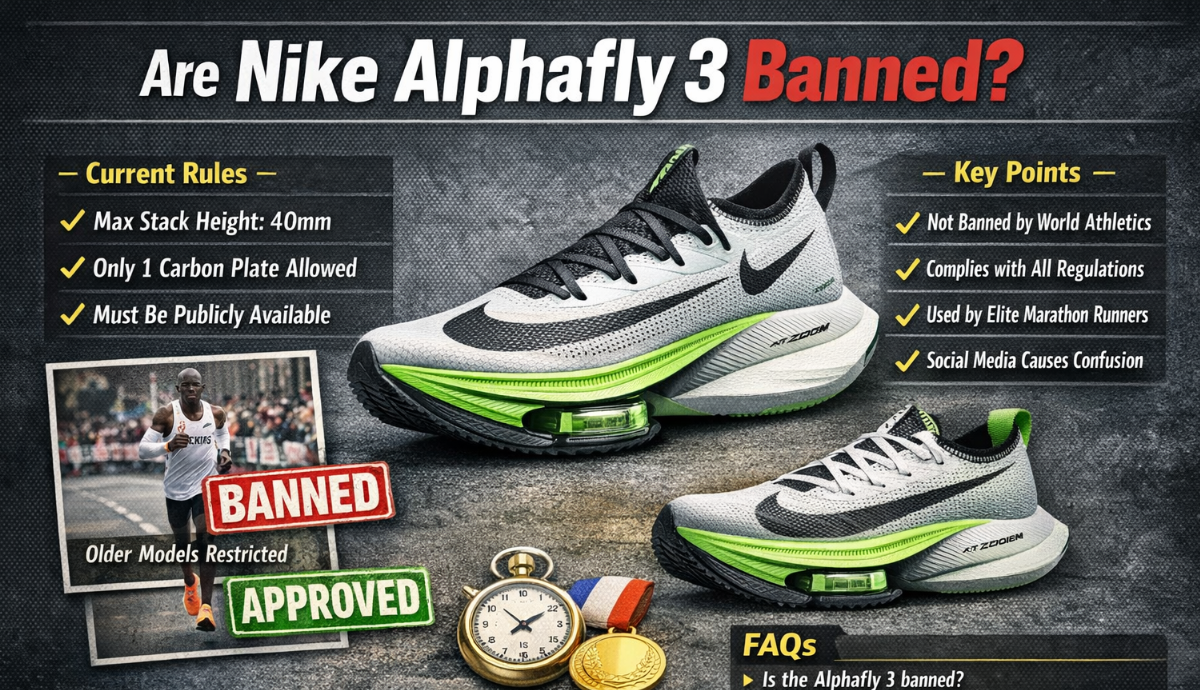
Are Nike Alphafly 3 Banned?
Many runners ask today whether Nike Alphafly 3 shoes remain banned. Confusion started after record races and sudden rule debates worldwide. These shoes look fast, tall, and full of unusual racing technology. People worry that rules change often and that fairness matters deeply in sport. This article explains facts clearly, slowly, and without dramatic claims. You will learn rules, reasons, history, and current race legality today.
Running shoe rules changed quickly after record-breaking marathon performances appeared. Athletes wore advanced shoes and smashed times many thought impossible. Fans asked whether technology helped more than training or talent. Governing bodies responded by studying designs, stacks, and plates carefully. Nike became central because Alphafly models gained global attention. The Alphafly 3 sits inside this ongoing fairness discussion.
Understanding bans requires knowing who writes rules and why. Not all races follow identical standards across countries and events. Some shoes pass rules today but fail future updates tomorrow. That uncertainty fuels rumors spreading fast across social media platforms. Clear answers need a rule context, testing processes, and official statements. Let us now break everything down step by step.
Table of Contents
What The Nike Alphafly 3 Actually Is
The Nike Alphafly 3 is a high-performance marathon racing shoe. It uses thick foam, carbon plates, and visible air pods. These elements aim to return energy and reduce muscle fatigue. Nike designed it after years of athlete testing and research. The shoe targets elite runners chasing personal bests globally.
Compared with earlier versions, Alphafly 3 refined stability and weight. The platform feels smoother and slightly lower than earlier models. Nike adjusted geometry to meet updated racing regulations worldwide. Designers focused on balance, comfort, and consistent stride transitions. This version reflects lessons learned from previous rule challenges.
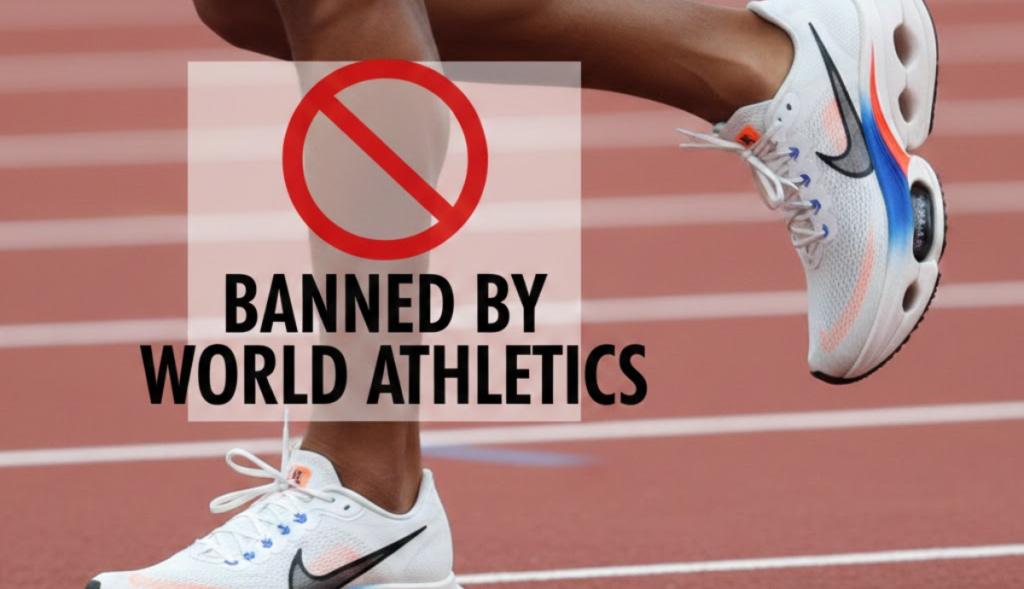
Who Decides If Shoes Are Banned
The main authority is World Athletics, governing international running competitions. This body creates equipment rules to protect fairness across races. National federations usually follow these global standards closely. Major marathons adopt these rules to stay officially recognized. Without approval, records and results may become invalidated.
World Athletics reviews shoe designs using clear, measurable limits. They examine stack height, plate count, and availability to athletes. Shoes must be sold publicly before the competition use begins. Secret prototypes worn only by elites are not allowed. Transparency remains a core principle within these regulations.
Current Rules On Stack Height And Plates
Rules limit the maximum sole stack height to forty millimeters. Shoes exceeding this measurement automatically fail competition approval. Plates inside shoes must not exceed one rigid plate. Multiple-layered plates create unfair mechanical advantages. These rules apply across road racing disciplines globally.
Alphafly 3 was engineered specifically within these measurements. Independent testing confirmed compliance with stack and plate rules. Nike adjusted foam compression to avoid exceeding height limits. This careful engineering helped prevent another regulatory conflict. As released, the model fits current technical requirements.
Are Nike Alphafly 3 Shoes Officially Banned
No official ban exists against Nike Alphafly 3 shoes today. World Athletics lists them as legal for sanctioned competitions. Elite athletes continue racing in them without disqualification issues. Major marathons allow their use under current equipment rules. Rumors often confuse past models with current versions.
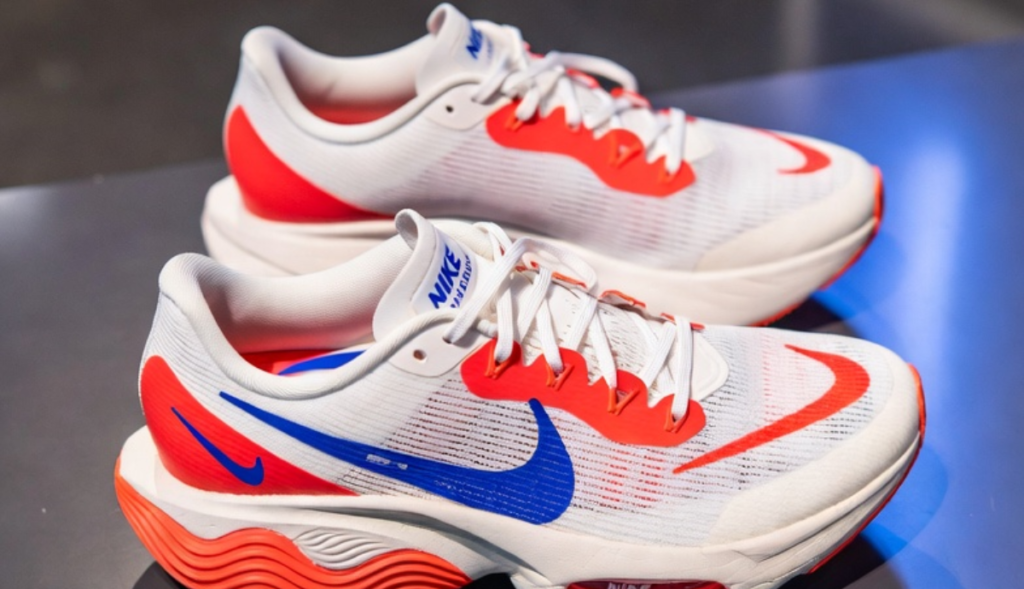
Earlier Alphafly versions raised questions during rapid rule changes. Those debates created lingering confusion among casual runners online. However, Alphafly 3 launched after clearer regulations were finalized. Nike ensured compliance before selling the shoe worldwide. Therefore, legality stands firm at present.
Why Runners Still Think The Shoe Is Banned
Misinformation spreads quickly through forums and short social posts. People remember headlines about shoe bans without reading details. Some confuse Alphafly with different experimental prototype models. Others mix up brand names and unrelated shoe disqualifications. This creates persistent misunderstandings across running communities.
Another factor involves local race rules differing slightly. Small events may restrict shoes beyond global requirements. That does not equal an international ban on models. Runners often generalize isolated cases too broadly. Context matters greatly when interpreting these stories.
Comparison With Previously Banned Racing Shoes
Some shoes were banned because they exceeded height limits. Others used multiple plates or inaccessible elite-only prototypes. These designs created mechanical gains beyond human effort alone. World Athletics acted quickly to restore competitive balance. Those cases shaped today’s clearer regulatory framework.
Alphafly 3 differs because it followed finalized regulations. Nike released it publicly before elite competition appearances. Its technology remains advanced but within defined boundaries. This distinction separates it from earlier controversial designs. Compliance, not brand, determines legality today.
Impact On Professional Marathon Racing
Advanced legal shoes have changed marathon pacing and strategies. Athletes recover faster and maintain speed longer during races. Training methods also evolved alongside shoe technology improvements. Records continue falling due to combined progress factors. Shoes alone never replace disciplined preparation or talent.
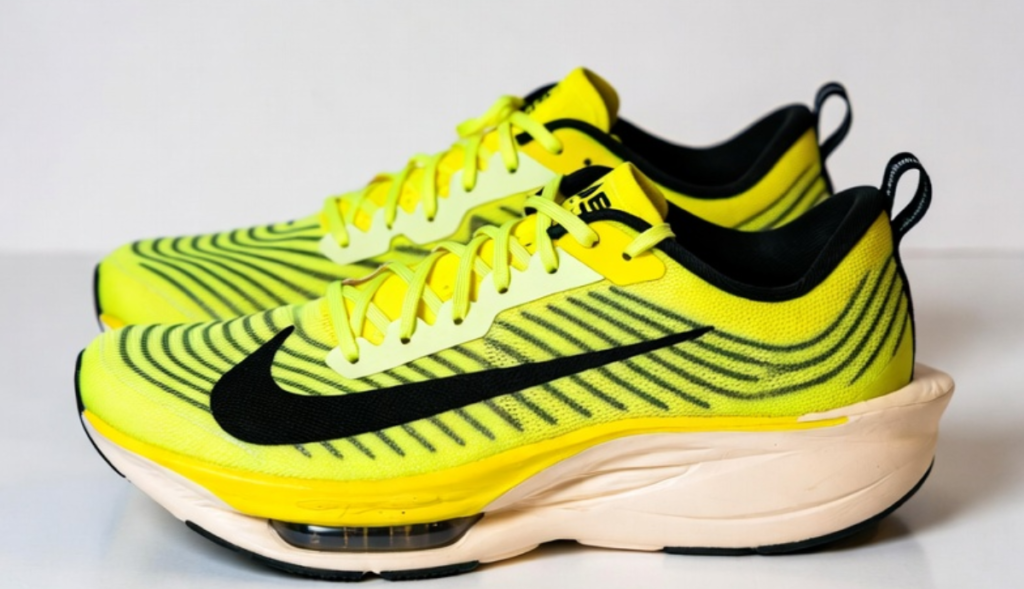
Alphafly 3 fits into this modern racing environment. Many professionals choose it for comfort and efficiency. Others select different compliant brands based on preference. The playing field remains level under shared equipment rules. Competition stays intense and fair by design.
How Nike Responded To Rule Changes
Nike worked closely with regulators during rule clarifications. Engineers redesigned shoes to align with updated measurements. Feedback from athletes guided comfort and stability adjustments. The company avoided secret prototypes after the rule enforcement. Transparency became essential to maintain trust.
Alphafly 3 represents this cooperative regulatory approach. Nike published specifications openly for consumer review. Testing labs verified measurements before market release. This proactive response reduced future compliance risks. The brand learned from earlier controversies.
What This Means For Amateur Runners
Amateur runners can wear Alphafly 3 confidently in races. Most organized events follow World Athletics standards closely. Personal records achieved remain valid and recognized. Runners still should check specific race equipment rules. Local variations sometimes exist for safety reasons.
The shoe offers benefits but requires adaptation and training. New users should practice before racing seriously. Comfort, fit, and running style still matter most. Shoes enhance effort but never replace smart preparation. Enjoyment and health should remain priorities.
Future Of Racing Shoe Regulations
Technology will continue pushing boundaries in running footwear. Regulators must balance innovation with competitive fairness constantly. Clear rules help brands design responsibly without surprises. Athletes benefit from transparency and stable standards. Ongoing review processes will remain necessary.
Alphafly 3 shows progress toward regulated innovation harmony. Future models may evolve but stay within legal frameworks. Dialogue between brands and regulators appears more constructive. This cooperation supports both performance and fairness goals. Running’s future looks exciting yet controlled.
FAQ’s
Are Nike Alphafly 3 shoes banned in official marathons?
No, they are approved for official marathons following World Athletics rules. The shoe meets the stack height and plate limits currently enforced. Major races allow them without penalties or disqualifications. Always confirm specific race guidelines before competing.
Why were earlier Nike shoes questioned or restricted?
Earlier models appeared during unclear regulation periods. Some designs pushed limits before rules were finalized. This led to temporary confusion and rapid policy updates. Current models follow clarified standards carefully.
Do Alphafly 3 shoes give unfair advantages?
They provide efficiency benefits within allowed limits. All brands can use similar technologies legally. Training and ability remain decisive performance factors. No shoe guarantees victory alone.
Can amateur runners use Alphafly 3 shoes safely?
Yes, amateurs can use them safely with proper adaptation. The shoe suits long-distance racing and training needs. Gradual use helps avoid injury or discomfort. Fit and comfort remain personal considerations.
Could Nike Alphafly 3 be banned in the future?
Future bans depend on rule changes, not current designs. If regulations tighten, brands must adapt accordingly. There is no indication of an upcoming prohibition. Monitoring official announcements remains wise.
Conclusion
Nike Alphafly 3 shoes are not banned under current rules. They meet stack height, plate, and availability requirements. World Athletics approves their use in sanctioned competitions. Confusion comes from past models and online misinformation. Understanding context clears unnecessary doubts quickly. Runners can trust official sources over social rumors.
Fairness remains central to running’s evolving technology debate. Rules exist to protect athletes and meaningful competition. Nike adjusted designs to respect these boundaries responsibly. Alphafly 3 reflects innovation guided by a balance. The shoe represents progress, not rule-breaking shortcuts. Confidence comes from facts, not fear.







Post Comment