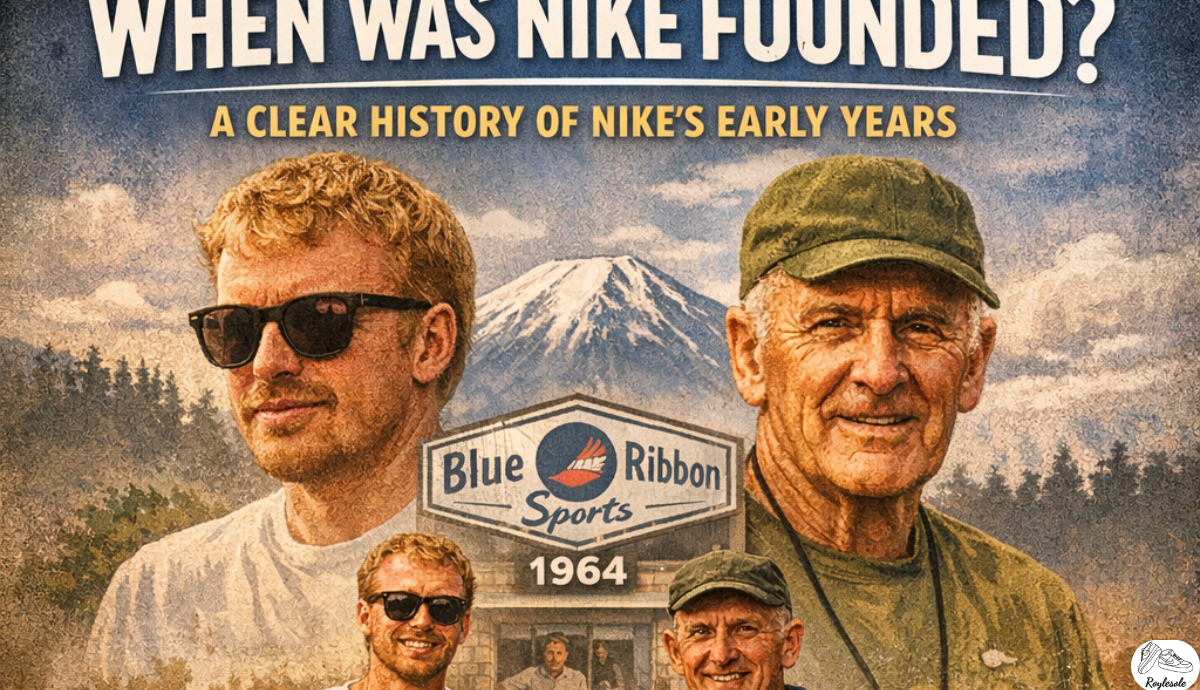
When was Nike Founded? A Clear History of Nike’s Early Years
Nike began as a small idea shaped by passion, timing, and persistence. Many people ask when Nike was founded, seeking the roots behind greatness. Understanding the founding year reveals choices shaping sports culture worldwide. This story begins before fame, money, or global recognition existed. It starts with runners, coaches, dreams, and simple shoes tested daily.
The founding of Nike connects education, experimentation, and entrepreneurial courage. Early decisions mattered deeply, influencing design, marketing, and athlete trust. The brand grew slowly, learning from mistakes and listening closely. Knowing the founding date helps explain Nike’s steady, lasting success. History shows how patience and vision built something remarkably strong.
This article explores when Nike was founded and why it matters. We examine people, places, struggles, and ideas shaping early Nike. Each section explains events clearly using simple language and logic. Readers will gain context beyond dates and basic facts. The journey shows how beginnings influence powerful global brands.
Table of Contents
The Exact Founding Year of Nike
Nike was officially founded in 1964 under another business name. That original company operated before adopting the famous Nike name. Understanding this timeline clears confusion about Nike’s true beginning. The year matters because it marks formal business operations starting. Earlier ideas existed, but 1964 created a legal and commercial structure.
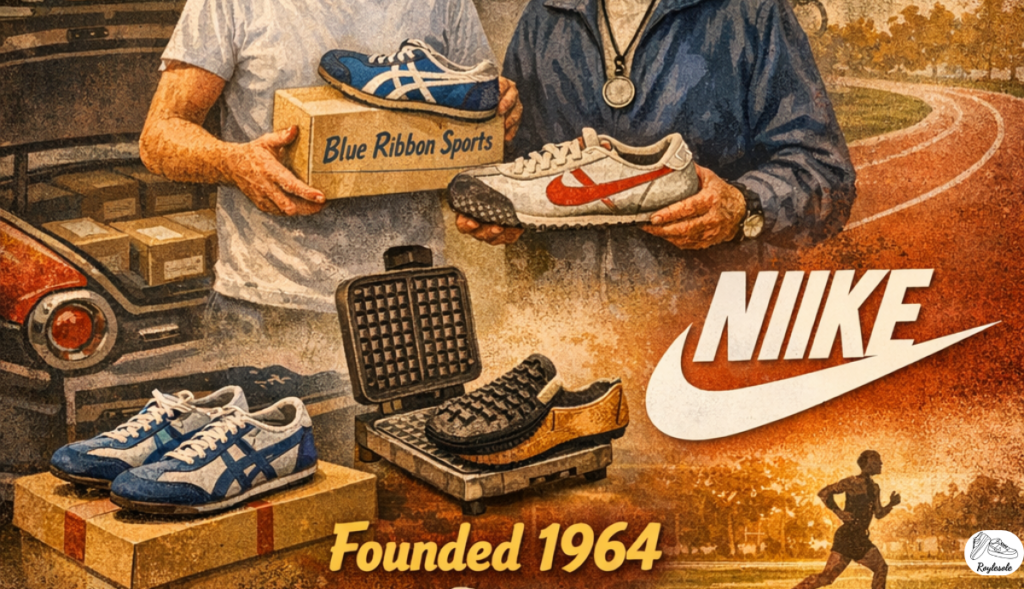
In 1964, Nike was called Blue Ribbon Sports originally. This company focused on importing quality running shoes from Japan. Operations began modestly, selling shoes from car trunks. The founders believed athletes deserved better, more affordable footwear options. That belief guided choices during those fragile early business years.
Founders Behind Nike’s Creation
Nike was founded by Phil Knight and Bill Bowerman together. Their partnership blended business ambition with coaching innovation. Knight handled business strategy, distribution, and financial planning. Bowerman contributed design ideas and athlete-centered performance insights. Together, they balanced creativity with disciplined operational thinking.
Knight studied business while Bowerman coached track athletes. Their shared interest in running created a strong mutual understanding. Both believed American runners lacked quality footwear choices. They saw opportunity through experimentation rather than quick profits. This mindset shaped Nike’s careful, athlete-focused early direction.
Blue Ribbon Sports Origins
Before Nike existed, the company was named Blue Ribbon Sports. This name reflected modest ambitions during the early experimental phase. Blue Ribbon Sports began importing Onitsuka Tiger shoes. These shoes came from Japan, offering quality and affordability. The partnership allowed learning about manufacturing and consumer preferences.
Blue Ribbon Sports officially started operations in 1964. The company sold shoes directly to athletes at competitions. This approach created immediate feedback from serious runners. Feedback-informed improvements and future independent product development. Those lessons later influenced Nike’s own manufacturing decisions.
Why The Name Changed to Nike
The name Nike was officially adopted in 1971. The change represented independence from previous supplier relationships. Nike Founded comes from the Greek goddess of victory. The name symbolized speed, strength, and competitive triumph. It aligned perfectly with the brand’s athletic mission.
Choosing a powerful name helped shape marketing and identity. Nike sounded bold, simple, and memorable for global audiences. The name supported expansion beyond running into other sports. This rebranding marked a critical turning point for the company. From then on, Nike focused on building its own legacy.
Early Challenges During Founding Years
Nike’s early years faced cash shortages and supply uncertainties. Manufacturing delays often threatened product availability and trust. Competition from established brands created constant pressure. The founders worked long hours to keep operations running. Failure was possible, yet commitment kept the company alive.
Legal disputes with suppliers tested resilience and strategic thinking. These challenges forced Nike to develop independent manufacturing. Risky decisions required courage and confidence in long-term vision. Overcoming struggles built a resilient organizational culture. That culture later supported massive global expansion efforts.
Role of Running Culture
Running culture played a major role in Nike’s founding. Both founders were deeply connected to competitive running communities. They tested shoes with athletes rather than relying on theory. This hands-on approach improved performance and comfort quickly. Athlete trust became Nike’s strongest early marketing tool.
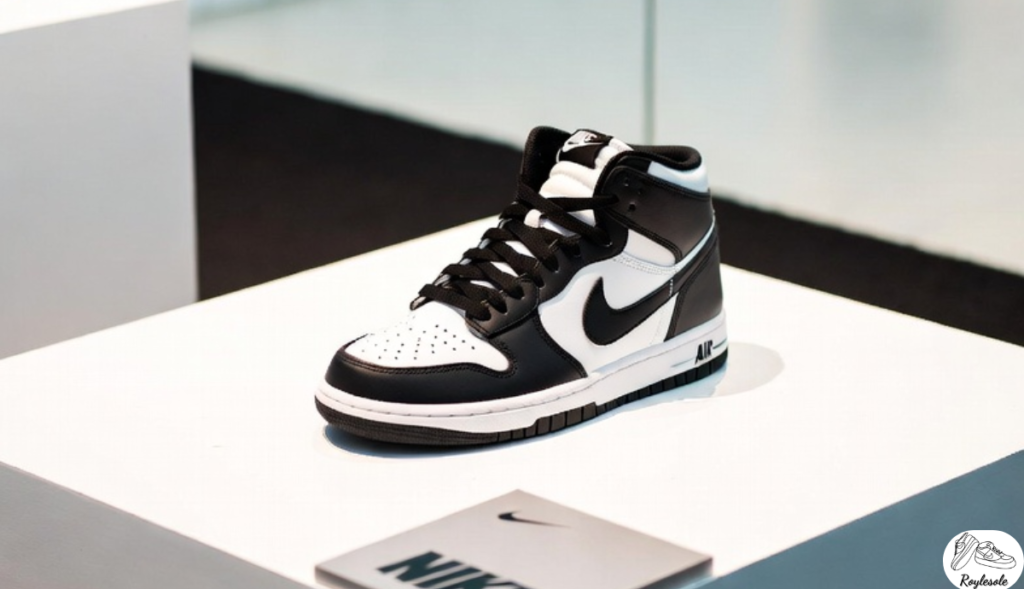
Bowerman constantly experimented with shoe designs and materials. He modified soles, spikes, and cushioning for better results. These experiments influenced Nike’s product innovation philosophy. Performance always came before style or mass appeal. That focus built credibility among serious athletes worldwide.
First Nike Shoe Designs
Nike’s first independent shoes appeared after supplier separation. Designs focused on lightweight construction and improved traction. Bowerman famously used a waffle iron for sole patterns. This creative experiment improved grip on running surfaces. Innovation often came from everyday tools and observations.
Early designs prioritized function, durability, and athlete comfort. Feedback loops between athletes and designers stayed constant. Small production runs allowed quick design adjustments. These practices reduced waste and improved product quality. Such methods remain core principles within Nike today.
Importance of The Swoosh Logo
The Swoosh logo debuted shortly after the Nike name. It symbolized motion, speed, and forward momentum visually. The logo was designed by Carolyn Davidson. She was a student when she created the iconic mark. Initially, its value was underestimated by company leaders.
Over time, the Swoosh became globally recognizable. Its simplicity allowed placement across products and marketing. The logo reinforced the brand identity without needing words. Consistency built trust and emotional connection with consumers. Today, the Swoosh represents athletic aspiration worldwide.
Growth After Official Founding
After founding, Nike expanded carefully through the 1970s. Product lines grew beyond running into basketball and training. Marketing partnerships with athletes increased brand visibility. Revenue growth allowed reinvestment into research and development. Each step was built upon lessons learned during the founding years.

International expansion followed once domestic stability improved. Nike opened offices and distribution networks globally. Cultural adaptation helped products resonate in different markets. The company balanced growth with maintaining product quality. This strategy supported long-term sustainable success.
Why the Founding Date Still Matters
Knowing when Nike was founded explains its strategic patience. The 1964 founding reflects gradual, experience-driven growth. Nike did not achieve success overnight or accidentally. Each phase built logically upon previous learning. This context inspires entrepreneurs facing slow early progress.
The founding date connects history, values, and brand identity. It reminds audiences that greatness often starts small. Understanding origins deepens appreciation for current achievements. Nike’s story proves persistence outperforms quick wins. That lesson remains relevant across industries today.
FAQ’s
When exactly was Nike founded as a company?
Nike was founded in 1964 under the name Blue Ribbon Sports. That year marks its official business formation. Operations began with importing and selling running shoes. Later rebranding changed the name to Nike.
Who founded Nike originally?
Nike was founded by Phil Knight and Bill Bowerman together. Their partnership combined business skills and coaching innovation. Both shared a deep love for running. Their collaboration shaped Nike’s early philosophy.
Why wasn’t Nike always called Nike?
Nike originally operated as Blue Ribbon Sports. The name change occurred after supplier independence. Nike represented victory and athletic excellence symbolically. Rebranding supported global marketing ambitions.
What influenced Nike’s early product designs?
When Nike was founded Early designs were influenced by athlete feedback and experimentation. Bill Bowerman tested ideas with real runners. Performance improvements guided every design decision. Function always came before appearance initially.
Why was the year Nike was founded important today?
The founding year explains Nike’s patient growth strategy. It shows success developed through learning and persistence. Understanding origins builds respect for the brand. The story inspires modern entrepreneurs worldwide.
Conclusion
Nike was founded in 1964 as Blue Ribbon Sports. This date marks the beginning of a remarkable journey. The founders combined passion, testing, and steady learning. Early struggles shaped a resilient, innovative company culture. Those foundations still influence Nike’s global success today.
Learn when Nike was founded reveals a deeper meaning. It shows how vision grows through patience and experimentation. The story highlights people, ideas, and purposeful decisions. Nike’s rise was earned through consistent effort and belief. Its founding year remains a powerful symbol of humble beginnings.











Post Comment