Are Air Jordan 1 Good For Basketball Performance Today
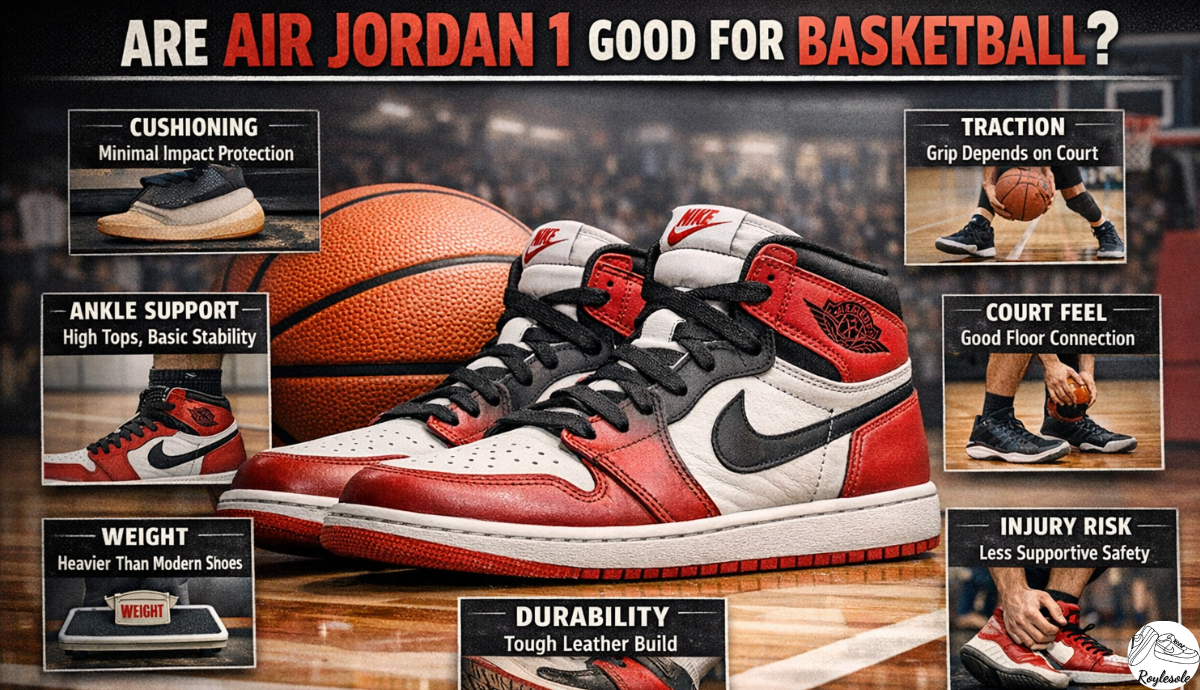
Air Jordan 1 shoes remain popular among players and fans today. Many ask if these shoes still perform well during basketball games. The design looks classic, but performance needs more than style. Basketball demands grip, comfort, support, and safe movement always. Here, we explore if Air Jordan 1 meets those needs. We examine history, design, comfort, traction, and real gameplay impact.
Basketball shoes evolved fast since the Air Jordan 1 first appeared. New materials now focus on speed, cushioning, and injury prevention. Older shoes often lack modern foam and advanced sole patterns. Still, many players wear Air Jordan 1 for actual games. Some enjoy a court feel, while others accept certain performance limits. Understanding these tradeoffs helps players choose wisely for safety.
We explain here the performance of using simple language and clear facts. We avoid hype and focus on how shoes behave on courts. Every section breaks down one important basketball performance factor. Readers can decide if the Air Jordan 1 fits their playing style. Honest insight matters more than fashion trends or nostalgia. Let us start by understanding the shoe’s original basketball purpose.
Table of Contents
Design Purpose And Original Basketball Intent
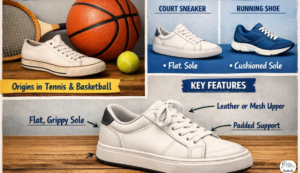
Air Jordan 1 was designed specifically for professional basketball play. Its structure focused on ankle coverage and stable leather construction. At release, it offered strong durability compared to canvas competitors. The flat sole helped players feel connected to the court. Design choices reflected basketball needs from the nineteen eighties era. Modern expectations now differ greatly from that original performance context.
The shoe lacked advanced cushioning technologies seen in newer models. Designers relied on rubber soles and thick leather panels. These materials provided toughness but limited flexibility during quick moves. Players then valued protection over lightweight speed and bounce. Understanding this helps judge performance fairly across different eras. The shoe succeeded then, but standards have changed significantly today.
Cushioning And Impact Protection Performance
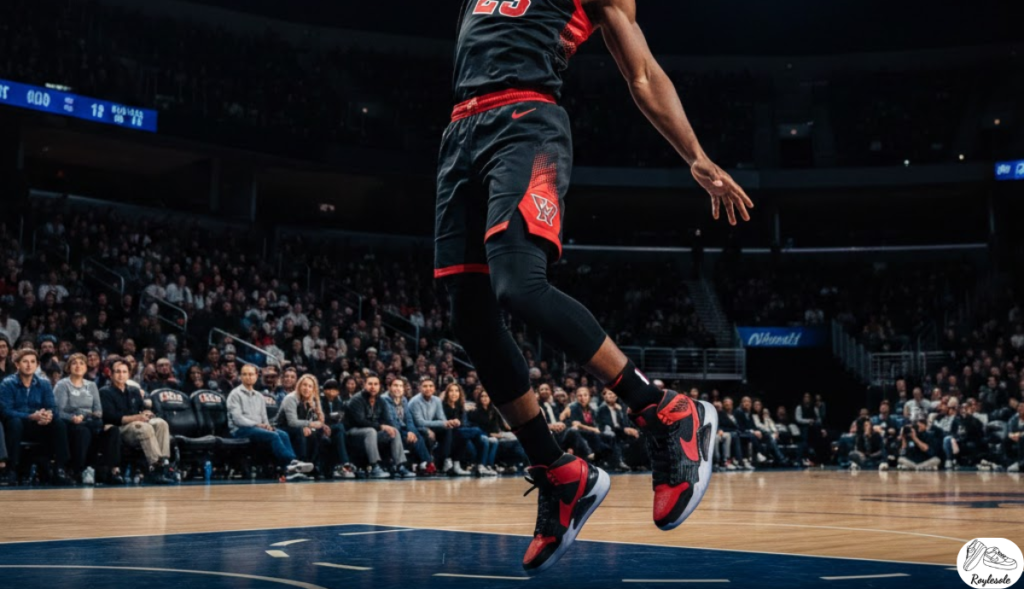
Air Jordan 1 uses basic foam cushioning in the midsole. This foam feels firm and minimal compared to modern basketball shoes. Impact protection exists, but heavy jumpers may feel discomfort. Landing repeatedly can stress knees and heels over time. Players used to soft cushioning may struggle adjusting initially. However, some enjoy the raw court feedback provided.
Minimal cushioning improves balance but reduces shock absorption during play. Guards who stay grounded may tolerate this better than big men. Post players often need stronger cushioning for repeated contact landings. Air Jordan 1 does not adapt well to explosive vertical athletes. Modern shoes clearly outperform it in impact protection categories. Cushioning remains one of its weakest basketball performance aspects.
Traction Grip And Court Control
Traction on the Air Jordan 1 depends heavily on the court condition. The outsole uses a classic circular traction pattern. On clean indoor courts, the grip feels acceptable and predictable. Dusty courts reduce stopping power and cause minor sliding. Rubber compound feels durable but not especially sticky. Frequent wiping becomes necessary during intense gameplay.
Modern basketball shoes use advanced traction shapes and rubber blends. These provide a stronger bite during cuts and defensive slides. Air Jordan 1 traction feels outdated, but it is still usable. Players with controlled movements may find it manageable. Quick, shifty players may notice a delayed stopping response. Traction performance sits below average by today’s standards.
Ankle Support And Stability
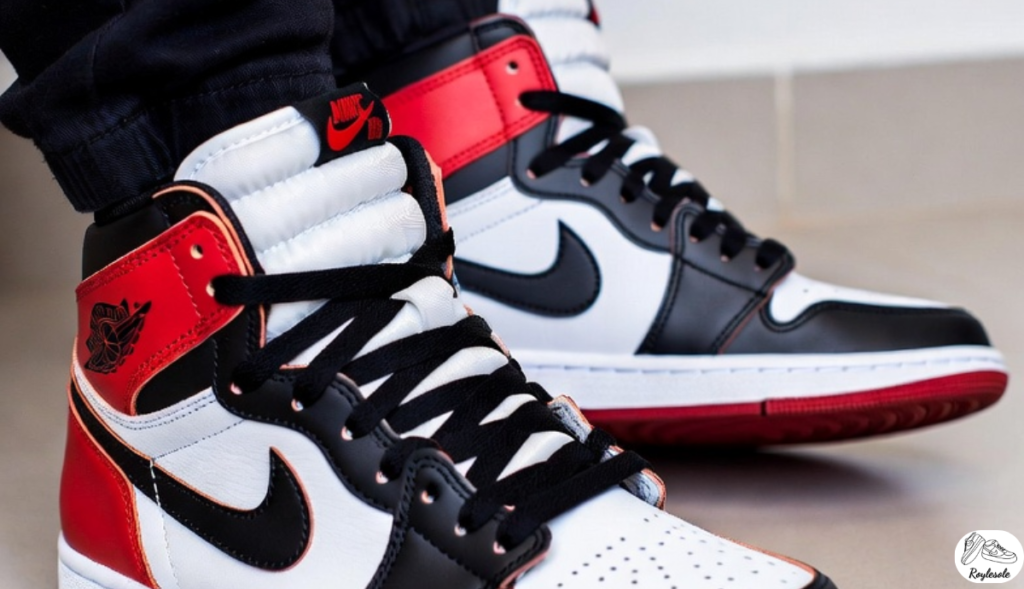
High-top design gives Air Jordan 1 visual ankle coverage. The leather upper offers structure but limits natural ankle movement. True ankle support depends more on fit than height. The shoe lacks internal support systems found in modern models. Side-to-side stability feels acceptable for casual play. Aggressive cuts may feel less secure than expected.
The collar padding feels firm but not highly protective. Players with weak ankles should consider braces when wearing them. Modern shoes use straps, cables, and foam to lock the feet. Air Jordan 1 relies mostly on lacing tension alone. Support feels old-fashioned but not completely ineffective. Stability works best at moderate speeds and movements.
Fit Comfort And Break-In Time
Air Jordan 1 fits true to size for most players. The leather upper feels stiff during the first several wears. Break in period can take multiple sessions to feel comfortable. Once broken in, the shoe molds slightly to the foot shape. Ventilation remains limited due to thick leather construction. Feet may feel warm during long playing sessions.
Comfort improves with wear, but it never feels plush or soft. The insole offers minimal arch support and cushioning. Players with flat feet may feel fatigue sooner. Custom insoles can improve comfort and foot alignment. Sock choice also affects overall comfort significantly. Comfort suits casual play more than competitive long games.
Weight And On Court Speed
Air Jordan 1 feels heavier than most modern basketball shoes. Leather materials add durability but increase overall shoe weight. Extra weight can slow down quick transitions and fast breaks. Speed-focused players may notice reduced responsiveness immediately. Heavier shoes also increase fatigue during extended sessions. Weight becomes more noticeable during repeated sprints.
Some players prefer heavier shoes for grounded stability. They feel planted and controlled rather than light and bouncy. This preference depends heavily on playing style and position. For fast guards, lighter shoes usually perform better. Air Jordan 1 suits slower-paced or strength-focused players. Speed performance remains below current basketball shoe standards.
Court Feel And Responsiveness
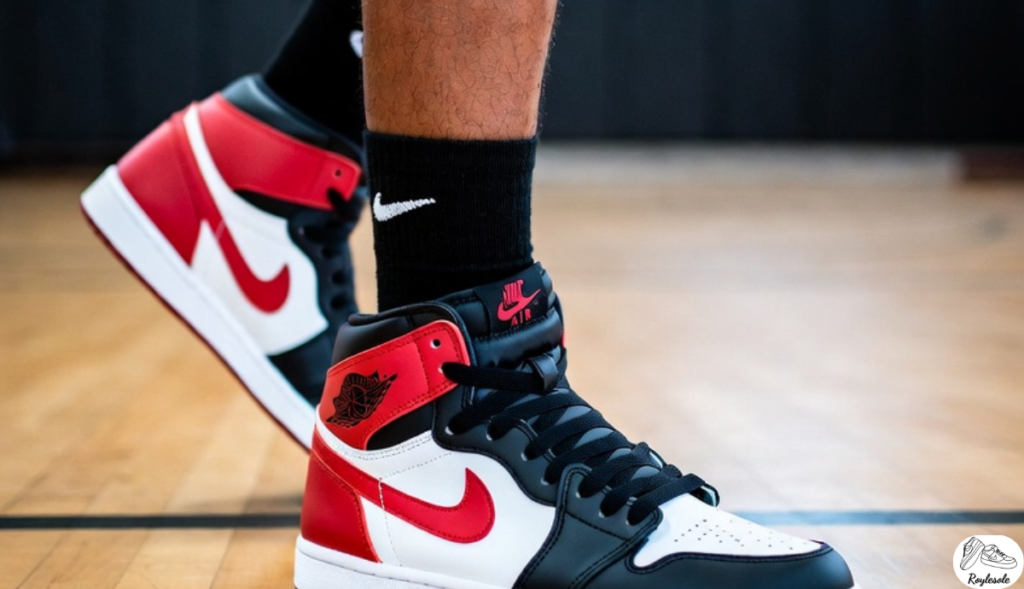
Court feel describes how well players sense the floor. Air Jordan 1 offers a strong court feel due to thin cushioning. Players can feel movements, pivots, and balance changes clearly. This helps with foot placement and defensive positioning. Responsiveness feels direct but lacks energy return. There is no bounce assistance from the midsole.
Some skilled players enjoy this raw connection to the court. Others prefer modern shoes that assist movement and jumping. Courts feel the benefits of fundamentally focused playing styles. Advanced cushioning often reduces this natural floor feedback. Air Jordan 1 excels in simplicity and direct response. Responsiveness favors control over explosive athletic performance.
Durability And Long Term Use
Leather construction makes the Air Jordan 1 very durable. The upper resists tearing and holds shape over time. Outsole rubber also lasts longer than softer modern compounds. This makes the shoe suitable for occasional outdoor play. Stitching quality remains solid even after heavy use. Durability stands as one of its strongest features.
However, durability does not equal comfort or safety. Stiff materials can cause foot strain with frequent play. Modern shoes balance durability with flexibility and cushioning. Air Jordan 1 sacrifices comfort for long lasting build. Durability helps casual players who play infrequently. Serious players may prefer modern performance balance.
Injury Risk And Safety Considerations
Older shoe designs increase injury risk without modern support features. Air Jordan 1 lacks shock-absorbing foam systems. Repeated impact can strain joints over time. Ankle support exists but remains basic and outdated. Players with injury history should exercise caution. Using ankle braces can reduce potential risks.
Modern shoes focus strongly on injury prevention technologies. These include cushioning, stability frames, and guided movement. Air Jordan 1 does not offer these safety advantages. Occasional play poses less risk than daily intense sessions. Listening to body feedback becomes very important. Safety depends greatly on player awareness and moderation.
Modern Alternatives Compared To Air Jordan 1
Modern basketball shoes clearly outperform the Air Jordan 1 overall. They offer better cushioning, traction, and support systems. Lightweight materials improve speed and reduce fatigue. Advanced designs help protect joints and ankles. Performance-focused players benefit more from newer models. Technology has significantly changed basketball footwear expectations.
Air Jordan 1 still holds cultural and style value. Some players accept performance limits for personal preference. Casual games or practice sessions suit these shoes better. Competitive leagues usually require higher-performing footwear. Choosing depends on goals, health, and playing intensity. Modern alternatives remain safer for serious basketball performance.
FAQ’s
Are Air Jordan 1 good for indoor basketball courts?
Air Jordan 1 works on clean indoor courts with careful movement. Traction performs acceptably but needs frequent wiping. Dusty floors reduce grip and stopping power noticeably. Players should test court conditions before intense games. Indoor use remains better than outdoor surfaces overall. Moderate play levels suit these shoes best.
Can beginners play basketball wearing Air Jordan 1 shoes?
Beginners can play casually while learning fundamentals safely. The shoe provides basic support and court feel. However, comfort issues may appear during long sessions. New players benefit from modern cushioning and stability. Air Jordan 1 works better for short practice games. Beginners should prioritize comfort and injury prevention.
Are Air Jordan 1 safe for players with ankle issues?
Players with ankle issues should be cautious when using them. The shoe lacks modern ankle protection systems. Ankle braces become strongly recommended during play. Support depends mostly on lacing and fit quality. Modern shoes provide safer ankle support options. Health should always outweigh style choices.
Do Air Jordan 1 perform well for outdoor basketball?
Durable outsole handles outdoor courts better than many modern shoes. However, cushioning remains insufficient for hard outdoor surfaces. Impact stress increases significantly on concrete courts. Outdoor play should be limited in duration. Foot fatigue may develop quickly during long games. Outdoor performance remains acceptable but not ideal.
Why do players still use Air Jordan 1 for basketball?
Players enjoy the classic feel and strong court connection. Some appreciate durability and simple construction. Nostalgia and style influence many footwear decisions. Controlled play styles suit the shoe better. Personal comfort preferences vary widely among players. Performance sacrifices are accepted for personal reasons.
Conclusion
Air Jordan 1 can be used for basketball with limitations. They provide durability, court feel, and classic high-top structure. However, cushioning, traction, and support lag behind modern standards. Players must understand these tradeoffs before choosing them. Casual play suits these shoes more than competitive environments. Safety and comfort should always guide footwear decisions.
For serious basketball, modern shoes offer better protection and performance. Air Jordan 1 works best for light play and nostalgia fans. Knowing your body and play style is most important. Shoes should support movement, not create extra strain. Classic design does not guarantee modern performance benefits. Choose wisely to enjoy basketball safely and comfortably.








Post Comment