Best Sneakers for Flat Feet That Feel Good All Day
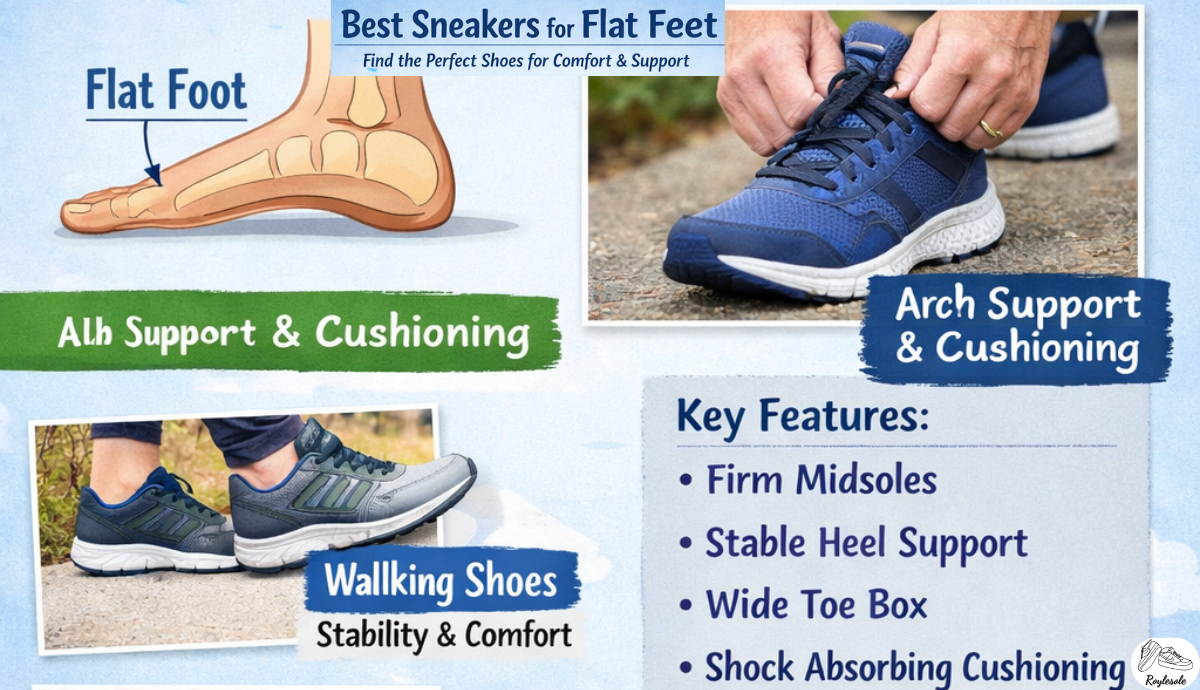
Flat feet need special sneakers to support comfort and daily movement. Without support, walking can cause pain, fatigue, and poor balance. Good sneakers help align feet and reduce pressure on joints. People with flat feet benefit from thoughtful shoe design choices. This guide explains sneakers that truly help flat feet feel better.
Flat feet happen when arches stay low during standing movement. This shape changes how weight spreads across feet surfaces. Poor shoes may worsen strain on ankles, knees, and hips. Supportive sneakers can reduce stress and improve walking efficiency. Choosing wisely helps protect long-term foot and body health.
Many people struggle to find sneakers that feel stable and soft. Style often matters, but comfort should always come first. Modern sneaker brands now design models for flat-foot needs. Knowing features helps shoppers avoid costly, painful mistakes. Here we offer clear advice for smarter sneaker decisions.
Table of Contents
Flat Feet and Support Needs
Flat feet lack natural arches that absorb impact during walking. This causes feet to roll inward more than usual. That rolling motion is called overpronation by foot specialists. Overpronation increases strain across tendons and lower legs. Supportive sneakers help limit rolling and guide healthier movement.
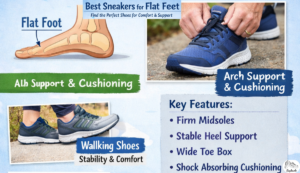
Good support starts with firm midsoles and stable heel counters. These features keep feet aligned during steps and turns. Flat feet also need wider bases for balanced contact. Soft cushioning alone does not fix alignment problems. Structure matters more than plush feel for flat feet.
Key Features to Look For in Sneakers
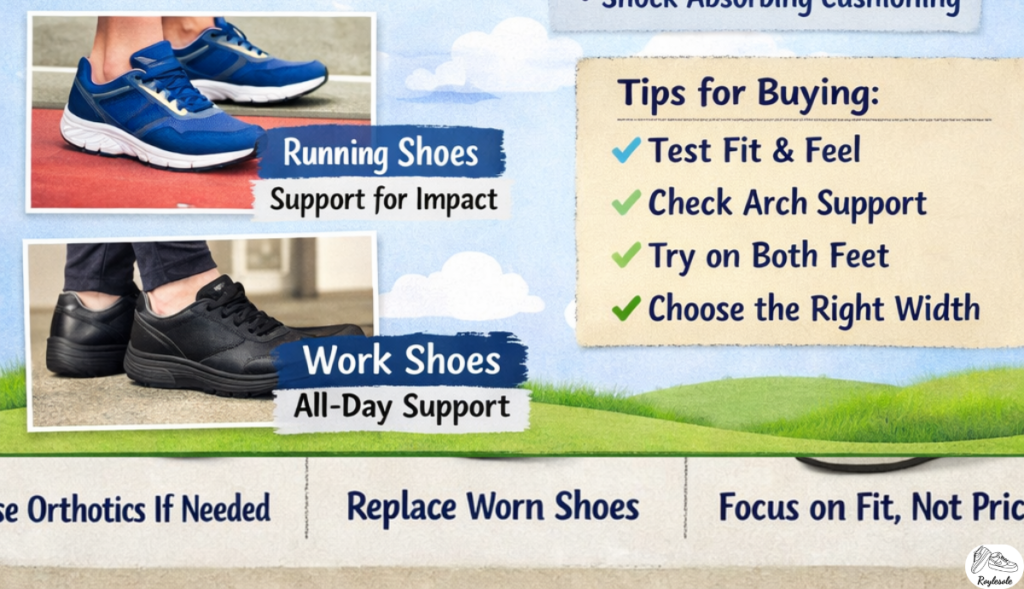
Arch support helps lift and guide flat feet properly. Firm midsoles prevent feet from collapsing inward during movement. Heel counters should feel snug and resist bending pressure. Wide soles improve balance and reduce side to side wobble. Flexible toes help push off naturally without stiffness or pain.
Removable insoles allow custom orthotics for added support. Breathable uppers keep feet cool and reduce irritation. Lightweight materials reduce fatigue during long walking sessions. Secure lacing systems improve fit and midfoot control. These features together create comfort and lasting stability.
Best Sneakers for Daily Walking
Walking sneakers need steady support for repeated daily steps. Flat feet benefit from shoes built for consistent pavement contact. Moderate cushioning protects joints without feeling overly soft. Rocker-shaped soles can help smooth stride transitions. Good walking sneakers feel stable from heel to toe.
Look for walking models labeled stability or support-focused. These designs control motion without feeling stiff or bulky. A roomy toe box prevents pressure and toe irritation. Walking comfort improves when shoes fit feet naturally. Daily walkers should feel supported even after long hours.
Best Running Sneakers for Flat Feet
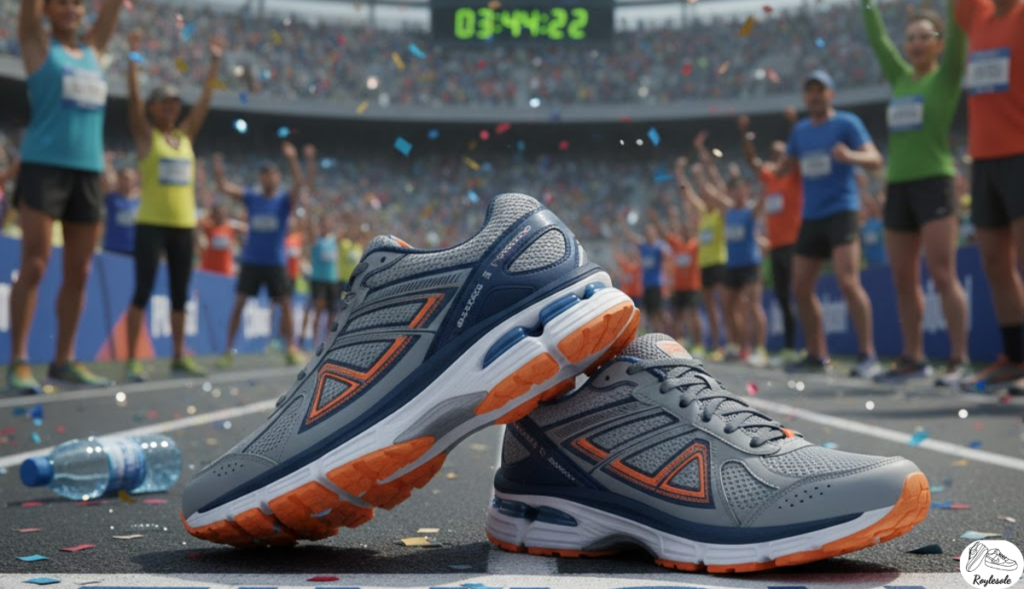
Running increases impact forces across flat foot structures. Supportive running sneakers help manage repeated landing stress. Stability running shoes are usually best for flat feet. They include guidance systems to reduce inward rolling. Cushioning should absorb shock without losing firmness.
Heel-to-toe drop should feel natural and balanced. Too high drops may strain calves or Achilles tendons. Runners should test shoes at jogging pace before buying. Proper fit reduces injury risk and improves performance confidence. Good running sneakers protect feet mile after mile.
Best Sneakers for Work and Standing
Standing for long hours stresses the muscles heavily. Work sneakers should prioritize support over trendy appearance. Firm midsoles help reduce foot fatigue throughout shifts. Slip-resistant soles add safety for workplace environments. Breathable materials prevent heat buildup and discomfort.
Many workers benefit from sneakers with supportive insoles. Cushioning should feel consistent, not sink under weight. Stable heels improve posture during long-standing periods. Work shoes should feel comfortable immediately without breaking in. Reliable support helps energy last through demanding days.
Best Casual Sneakers for Flat Feet
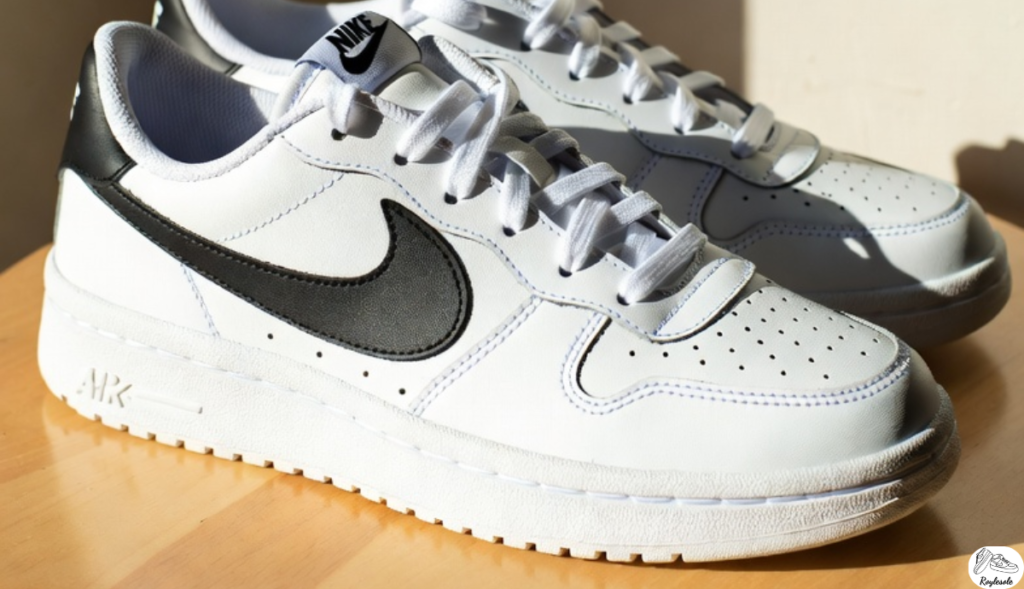
Casual sneakers still need structure despite relaxed styling. Flat feet should avoid completely flat or flimsy soles. Look for casual designs with hidden support features. Leather or knit uppers can provide gentle foot containment. Simple styles can still deliver strong internal support.
Casual sneakers should feel balanced during errands and outings. Lightweight support keeps feet comfortable without looking bulky. Many brands blend fashion with orthopedically friendly construction. Try shoes later in the day when feet swell slightly. This ensures all-day casual comfort and proper fit.
Best Sneakers for Wide Flat Feet
Flat feet often come with wider forefoot shapes. Narrow sneakers can cause squeezing and painful pressure. Wide-width options improve comfort and natural toe spread. Extra room helps maintain balance and proper foot alignment. Wide soles also improve ground contact stability.
Look for brands offering multiple width sizing options. Avoid sizing up length to gain width room. That causes heel slipping and reduced support effectiveness. Proper width improves comfort without sacrificing control. Wide, flat feet deserve shoes designed for their shape.
Materials and Build Quality That Matter
Quality materials affect comfort, durability, and long-term support. Dense foam midsoles last longer than soft, spongy foams. Rubber outsoles provide traction and structural stability. Stitched overlays add reinforcement where feet need control. Cheap materials break down quickly under flat foot pressure.
Breathable uppers reduce moisture and odor issues. Durable construction prevents shoes from losing shape early. Good build quality saves money over time. Support should remain consistent after months of wear. Well-made sneakers protect feet through daily demands.
Common Mistakes When Buying Sneakers
Choosing shoes based only on looks causes many problems. Ignoring arch support leads to worsening foot discomfort. Buying too small limits natural foot movement. Assuming soft cushioning equals support misleads many shoppers. Skipping proper fitting often results in painful returns.
People with flat feet should avoid minimalist shoes. These lack the structure needed for proper alignment control. Worn-out sneakers should be replaced promptly. Support decreases as midsoles compress over time. Listening to foot pain prevents long-term injury issues.
How to Test Sneakers Before Buying
Testing sneakers properly helps avoid costly mistakes later. Walk and turn to feel stability and balance. Check heel slippage and midfoot security during movement. Ensure toes have room without sliding forward. Comfort should feel immediate, not hoped for later.
Bring orthotics if you use them regularly. Test shoes on similar surfaces you walk on daily. Try both feet since sizes may differ slightly. Take time making decisions, not rushed choices. Good testing leads to confident, comfortable purchases.
FAQ’s
What type of sneakers are best for flat feet?
Stability sneakers with firm midsoles work best for flat feet. They limit inward rolling and improve alignment during walking. Supportive heels keep ankles steady with each step. Moderate cushioning protects joints without feeling unstable. These features together reduce pain and fatigue effectively. Good sneakers help flat feet move more efficiently daily. Proper fit ensures comfort and long-lasting support benefits. Avoid flat soles and overly flexible designs. Choose structure over softness for the best results. This approach supports healthy foot movement long-term. Quality stability sneakers improve daily comfort significantly. They also reduce injury risk over time. Consistent support helps maintain proper posture.
Can flat feet wear running sneakers comfortably?
Yes, flat feet can wear running sneakers with stability features. These shoes guide motion and reduce overpronation stress. Proper cushioning absorbs impact during repeated strides. Fit should feel secure without squeezing pressure. Testing shoes while jogging helps confirm comfort. Avoid minimalist running shoes lacking structure. Stability models protect feet during longer runs. Comfort improves when shoes match foot mechanics. Support reduces fatigue during exercise sessions. Running feels easier with proper footwear. Flat-foot runners should replace shoes regularly. Worn shoes lose support effectiveness quickly. Good running sneakers support healthy training habits.
Do flat feet always need custom orthotics?
Not all flat feet require custom orthotics daily. Many supportive sneakers provide enough built-in support. Orthotics help when pain persists despite good shoes. They offer personalized alignment correction and comfort. Consulting a foot professional helps decide the need. Some people use orthotics only during work. Others rely on supportive sneakers alone. Comfort levels guide orthotic necessity decisions. Custom support can improve severe flat foot symptoms. Mild cases often manage well without orthotics. Testing both options helps find the best solution. Comfort and function should guide choices. Support needs vary between individuals.
How often should flat feet replace sneakers?
Flat feet should replace sneakers every six months, usually. Heavy use may require earlier replacement. Midsoles compress and lose support over time. Worn shoes increase pain and injury risk. Visual wear signs signal declining performance. Uneven outsole wear indicates support breakdown. Rotating shoes can extend lifespan slightly. Comfort changes often appear before visible damage. Listening to feet helps timing decisions. Regular replacement maintains proper alignment support. Ignoring wear leads to chronic discomfort. Investing in new shoes protects foot health. Timely replacement prevents long-term issues.
Are expensive sneakers always better for flat feet?
A higher price does not always mean better support. Some affordable brands design excellent stability sneakers. Fit and features matter more than cost. Expensive shoes may focus on style over function. Research helps identify quality options across prices. Trying shoes matters more than brand reputation. Comfort should guide final purchasing decisions. Support features must match flat foot needs. Well-designed shoes exist at many price levels. Smart shopping saves money and feet. Reviews help identify reliable, supportive models. Avoid buying based on hype alone. Function always beats flashy design.
Conclusion
Finding sneakers for flat feet requires focus on support. Proper design reduces pain and improves daily movement quality. Stability, fit, and materials matter more than trends. The right sneakers protect feet and whole body alignment. Smart choices lead to lasting comfort and confidence.
Flat feet are common and manageable with proper footwear. Modern sneakers offer many supportive and stylish options. Understanding features helps shoppers choose wisely every time. Comfortable feet improve energy, posture, and well-being. Investing in good sneakers is investing in daily health.





Post Comment