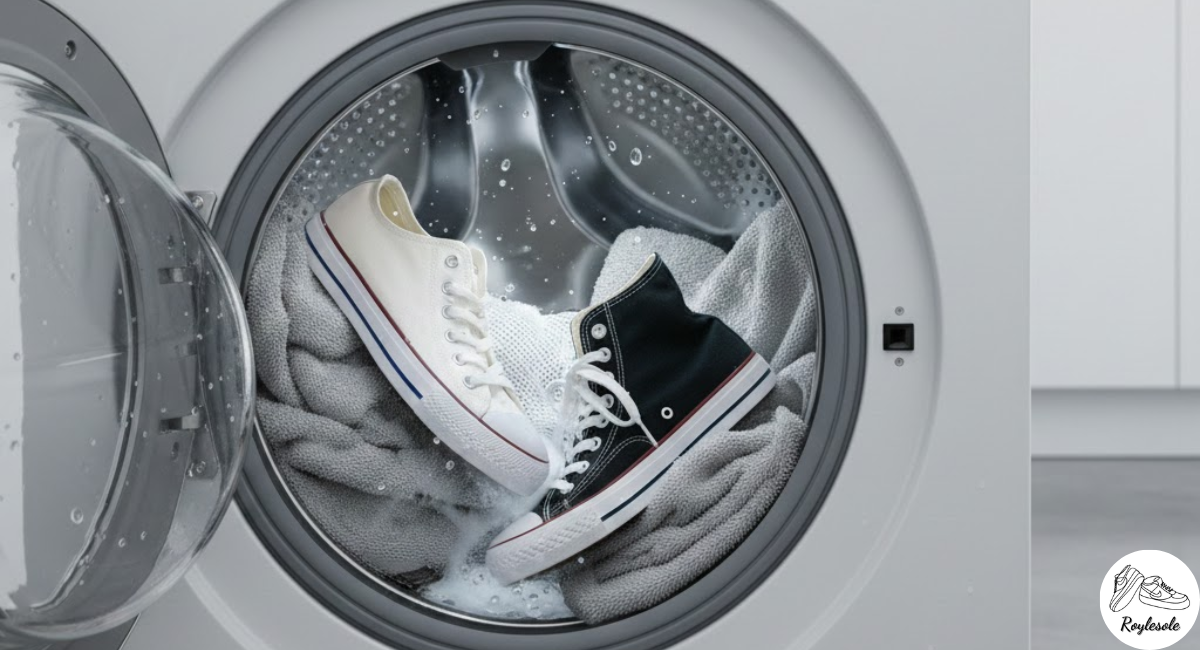
Can I put sneakers in the washing machine
Sneakers are everyday footwear combining comfort, style, and practical performance. Many people wear sneakers daily for work, exercise, travel, and leisure. Because frequent use attracts dirt, cleaning sneakers becomes unavoidable. Washing methods vary, but washing machines seem convenient and time-saving. But improper washing can damage materials, shape, and glue. Learn correct washing practices helps extend sneaker lifespan significantly. Here, we explore whether washing machines safely clean sneakers. It explains preparation steps, material considerations, and alternative methods. Clear guidance prevents mistakes, causing shrinking, fading, or separation. Readers gain confidence in maintaining clean sneakers without unnecessary damage.
Sneaker construction involves carefully bonding many materials together. Common components include rubber soles, foam midsoles, and fabric uppers. Some sneakers use leather, suede, mesh, or synthetic blends. Each material responds differently to water, agitation, and detergents. Washing Machine may stress seams, adhesives, and cushioning structures. Knowing sneaker composition helps determine safe cleaning approaches. Care labels often provide manufacturer-recommended washing machine instructions. Failing to follow these instructions can void warranties or reduce product durability. So, informed decisions protect both appearance and performance. Proper care preserves comfort, support, and visual appeal.
Modern lifestyles encourage quick solutions for household chores. A washing machine simplifies cleaning clothes, towels, and fabrics. Many wonder if sneakers can join regular laundry loads. The answer depends on the sneaker type, condition, and washing machine technique. Here we provide structured, reliable explanations for informed decisions. It balances convenience with long-term sneaker care considerations. Readers will learn risks, benefits, and best practices clearly. Practical steps ensure cleanliness without compromising sneaker integrity. Let us examine machine washing sneakers in detail. Careful attention prevents costly replacements and disappointment.
Table of Contents
Sneaker Materials Before Washing Machine
Sneaker materials determine how well they tolerate machine washing. Mesh uppers generally handle water better than leather surfaces. Canvas sneakers are often machine washable with proper precautions. Leather sneakers risk cracking, stiffening, or discoloration during washing. Suede materials should never enter washing machines due to damage.
Synthetic fabrics resist water, but adhesives may weaken under agitation. Rubber soles tolerate washing better than foam components. Foam midsoles absorb water, affecting cushioning and drying time. Understanding materials guides safer cleaning choices effectively. Always identify dominant materials before choosing washing methods.
Checking Manufacturer Care Instructions Carefully
Most sneakers include care labels with specific cleaning recommendations. Manufacturers test materials and adhesives for appropriate cleaning methods. Labels may permit hand washing while discouraging machine washing. Some brands allow gentle machine cycles under strict conditions. Ignoring instructions increases the risk of irreversible damage significantly.
Online brand websites often provide detailed sneaker care guides. These guides explain suitable detergents, water temperatures, and drying methods. Following official advice preserves warranties and product longevity. Care instructions reflect extensive material testing results. Checking them prevents guesswork and unnecessary experimentation.
Preparing Sneakers Properly For Machine Washing
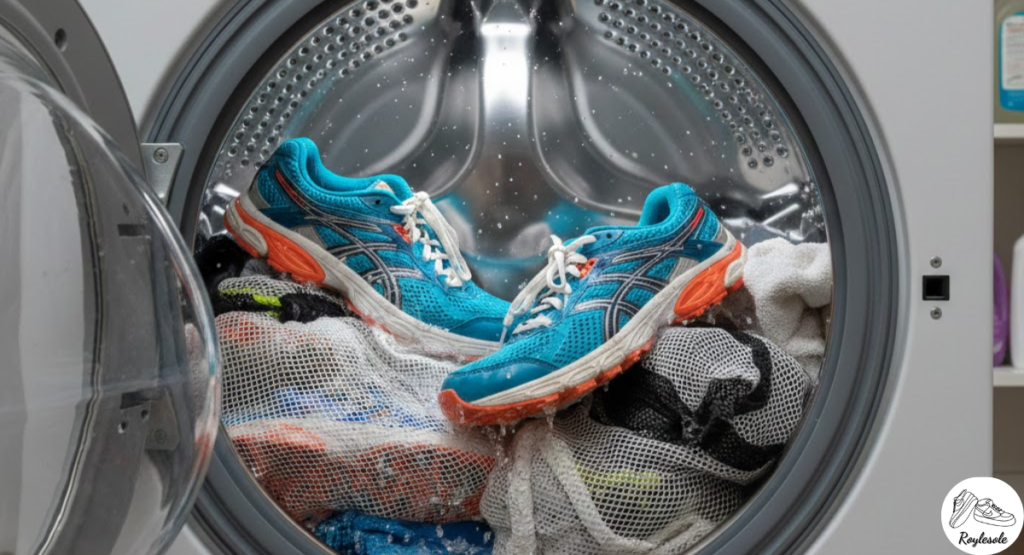
Preparation reduces the risk during machine washing significantly. Remove laces and insoles before placing sneakers inside machines. Laces tangle easily, and insoles trap excess moisture. Wash laces separately using gentle cycles or hand washing. Clean loose dirt using soft brushes before washing.
Placing sneakers inside laundry bags reduces impact during cycles. Old pillowcases work well as protective washing barriers. Balance loads with towels to cushion sneaker movement. Avoid washing sneakers with heavy clothing items. Proper preparation ensures safer, more effective cleaning outcomes.
Choosing The Right Washing Machine Settings
Washing machine settings greatly influence sneaker cleaning safety. Always select gentle or delicate cycles to cut agitation. Cold water prevents shrinking, color bleeding, and adhesive weakening. Hot water damages glues and distorts sneaker shapes. Lower spin speeds reduce stress on materials.
Avoid harsh detergents containing bleach or strong chemicals. Use mild liquid detergents formulated for delicate fabrics. Powder detergents may leave residue inside sneakers. Minimal detergent amounts clean effectively without buildup. Correct settings protect the structure while achieving cleanliness.
Risks Of Washing Sneakers In Machines
Machine washing sneakers carries potential risks worth considering. Agitation can loosen glue bonding soles to uppers. Repeated washing weakens stitching and fabric integrity. Colors may fade unevenly, especially on dark sneakers. Logos and decorative elements can peel off.
Waterlogged foam midsoles take long periods to dry. Extended moisture encourages odor-causing bacteria growth. Improper drying may cause mildew inside sneakers. Structural warping affects comfort and foot support. Understanding risks helps decide suitable cleaning methods.
Which Sneakers Are Generally Machine Washable
Certain sneakers tolerate machine washing better than others. Canvas sneakers often handle gentle machine cycles successfully. Running shoes with mesh uppers usually wash safely. Synthetic training sneakers resist water damage reasonably well. Always confirm materials before assuming washability.
Minimalist sneakers without leather components wash more easily. Simple constructions withstand agitation better than complex designs. Older sneakers may already have weakened adhesives. Newer sneakers maintain their structure better during washing. Assess the condition carefully before choosing machine washing.
How Often Should Sneakers Be Machine Washed
The frequency of washing affects sneaker durability significantly. Avoid machine washing sneakers after every wear. Overwashing accelerates material breakdown and adhesive failure. Spot cleaning handles minor dirt effectively between washes. Reserve machine washing for heavily soiled sneakers.
Athletic sneakers worn frequently may require periodic deep cleaning. Monthly machine washing suits heavy exercise usage scenarios. Casual sneakers need washing far less often. Weather conditions influence dirt accumulation levels. Balanced cleaning maintains hygiene without excessive wear.
Proper Drying Methods After Machine Washing
Drying methods are crucial after washing sneakers. Never place sneakers inside dryers due to heat damage. High heat warps soles and weakens adhesives permanently. Air drying preserves shape and material integrity. Stuff sneakers with paper towels to absorb moisture.
Dry sneakers in shaded, well-ventilated areas. Direct sunlight fades colors and stiffens materials. Rotate sneakers periodically to ensure even drying. Complete drying prevents odors and bacterial growth. Patience ensures sneakers regain proper comfort and fit.
Alternatives To Machine Washing Sneakers
Hand washing provides safer control over sneaker cleaning. Use soft brushes, mild soap, and lukewarm water. Gently scrub stains without soaking the entire sneaker. Rinse carefully to avoid soap residue buildup. Hand washing suits delicate materials like leather.
Specialized sneaker cleaning kits offer effective alternatives. These kits include cleaners, brushes, and protective sprays. Dry cleaning services sometimes handle luxury sneakers professionally. Regular maintenance reduces the need for deep washing. Alternatives minimize risks while maintaining cleanliness.
Final Recommendations For Washing Sneakers Safely
Deciding to machine wash sneakers requires careful evaluation. Consider materials, condition, and manufacturer instructions first. Use gentle cycles, cold water, and protective bags always. Avoid frequent washing to extend sneaker lifespan. Proper drying completes safe machine washing processes.
When uncertain, choose hand washing over machine washing. Preserving structure and comfort outweighs convenience considerations. Clean sneakers last longer and perform better consistently. Informed care decisions save money and frustration. Treat sneakers thoughtfully to maintain quality and appearance.
FAQ’s
Can leather sneakers be washed in a washing machine?
Leather sneakers should not be washed in washing machines. Water and agitation damage leather texture and finish. Leather absorbs moisture, causing stiffness and cracking. Hand cleaning with specialized leather products is recommended. Proper care maintains the leather sneaker’s appearance and durability.
Is it safe to wash sneakers with clothes?
Washing sneakers with clothes is generally not recommended. Sneakers can damage fabrics during washing cycles. Dirt from sneakers transfers onto clothing easily. Separate washing protects both sneakers and garments. Use towels instead to cushion sneaker movement.
Do washing machines ruin sneakers permanently?
Washing machines can ruin sneakers if used improperly. Damage depends on materials, cycle settings, and frequency. Gentle washing may not cause immediate harm. Repeated improper washing increases long-term damage risks. Following guidelines minimizes the chances of permanent damage.
How long do sneakers take to dry after washing?
Drying time varies depending on materials and conditions. Most sneakers must be worn for twenty-four to forty eight hours. Foam midsoles increase drying duration significantly. Proper ventilation shortens drying time safely. Never rush drying using artificial heat sources.
Can insoles and laces be machine-washed separately?
Insoles and laces can usually be machine-washed. Use gentle cycles and mild detergents always. Place them inside laundry bags for protection. Air dry completely before reinserting into sneakers. Separate washing improves hygiene and drying efficiency.
Conclusion
Sneakers can sometimes be washed in a washing machine safely. Success depends on materials, preparation, settings, and frequency. Not all sneakers tolerate machine washing equally well. Ignoring guidelines risks permanent damage and reduced comfort. Understanding proper techniques ensures better cleaning outcomes.
Careful evaluation prevents unnecessary wear and costly replacements. Hand washing remains the safest option for delicate sneakers. Machine washing suits specific sneakers under controlled conditions. Drying correctly completes the cleaning process effectively. Responsible care keeps sneakers functional, attractive, and long-lasting.









Post Comment