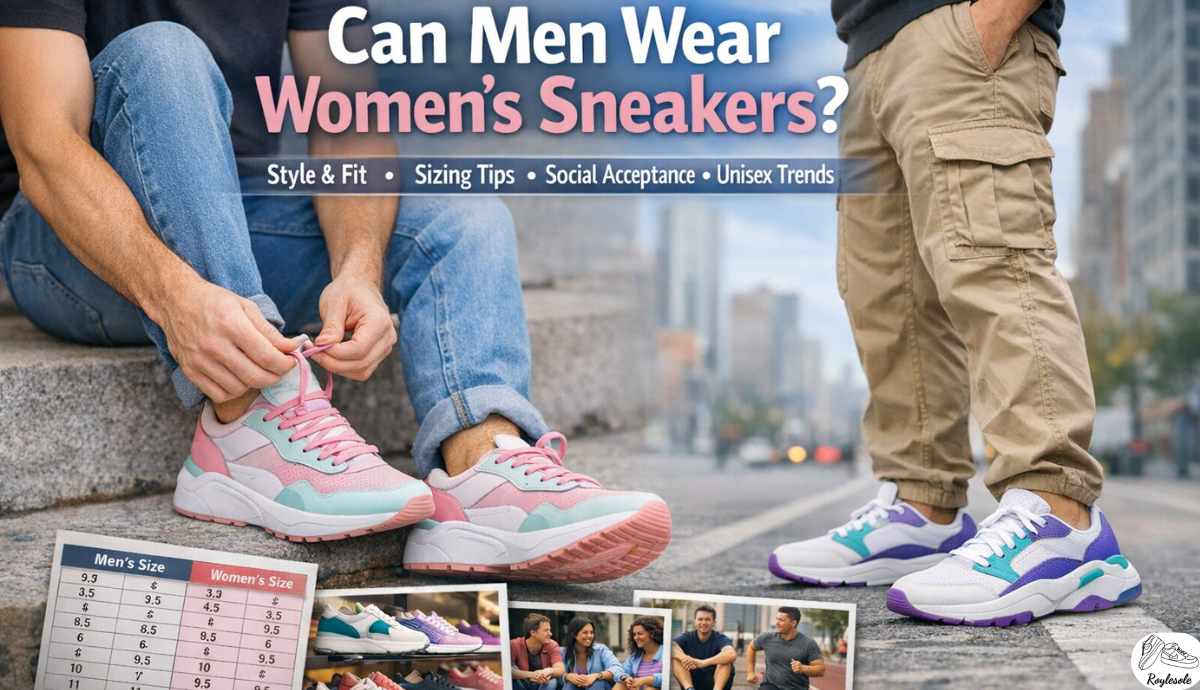
Can Men Wear Women’s Sneakers Comfortably? Style Culture Fit Explained
Fashion rules change often, and shoes reflect personal comfort choices. Men today explore wider style options without fear or rigid limits. Sneakers, especially those that cross gender lines through design and comfort appeal. This discussion asks simple questions about choice fit and acceptance. Answers matter because shoes significantly impact daily life, comfort, confidence, and identity.
Sneakers were once clearly labeled by gender and narrow norms. Those lines blur as brands focus on function and color style. Men notice women’s sneakers offering colors and shapes unavailable elsewhere. Curiosity grows when fit feels right, and style feels honest. Society slowly learns clothing does not define character or ability.
Here, we explore whether men can wear women’s sneakers freely. We examine comfort sizing, design, culture, history, and social views. Simple facts replace myths with practical, helpful guidance. The goal is confidence, clarity, and informed personal decisions. Shoes should serve people, not restrict self expression joy.
Table of Contents
Sneaker Gender Labels
Sneaker labels often guide shoppers, but do not enforce usage. Gender labels help stores organize sizes, styles, and marketing efficiently. They rarely indicate strict rules about who may wear them. Most sneakers share similar construction materials and performance features. Design differences usually reflect trends, not biological requirements.
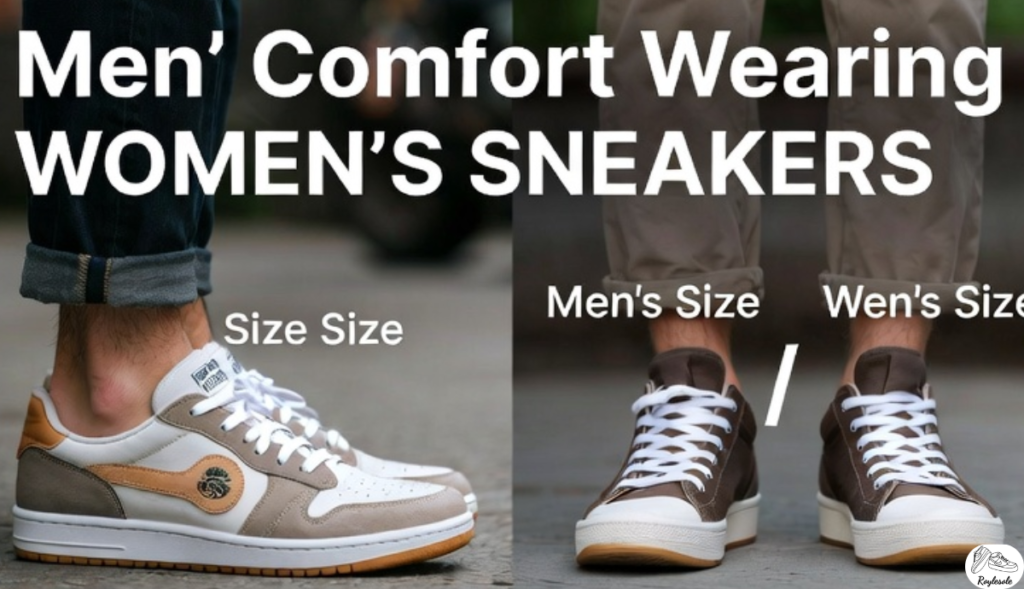
Men’s and women’s sneakers differ mainly in the sizing ranges offered. Women’s versions may feature narrower heels and lighter cushioning. However, many feet overlap these measurements comfortably. Fit matters more than label when walking, standing, and running daily. Trying shoes remains the best method for comfort certainty.
Comfort And Fit Considerations
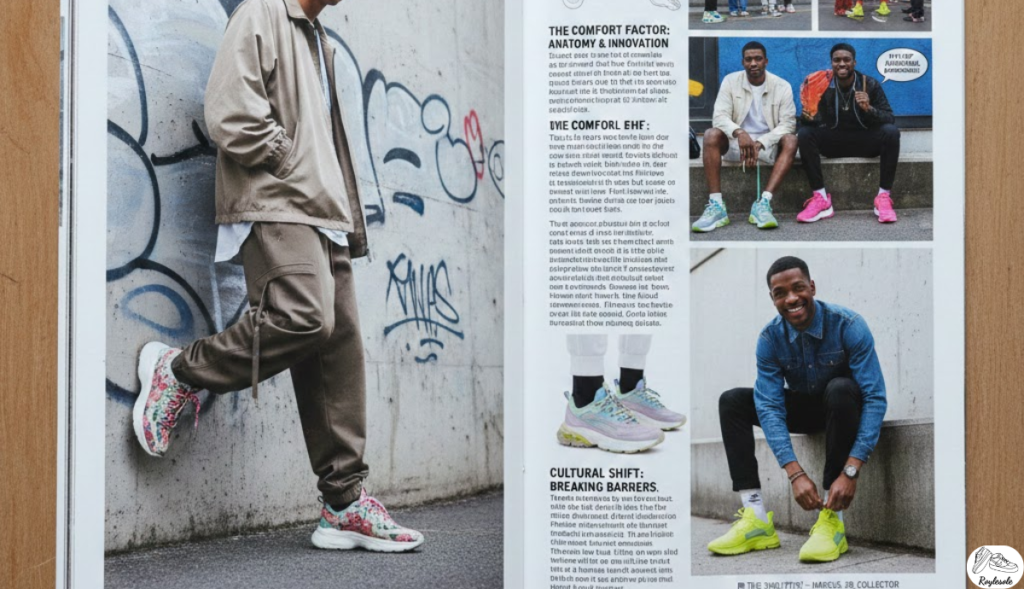
Comfort depends on foot shape, width, arch, and movement patterns. Some men find women’s sneakers fit better around the heels. Others prefer cushioning placement common in women’s athletic designs. Foot anatomy varies widely regardless of gender identity. Personal testing ensures reduced pain and improved daily mobility.
Sizing conversion charts help, but do not guarantee a perfect fit. Women’s sneakers typically run one and a half sizes smaller. Width differences may affect comfort during long wear periods. Trying multiple sizes improves the chances of finding supportive pairs. Comfort should always outweigh tradition or external opinions.
Style And Design Appeal
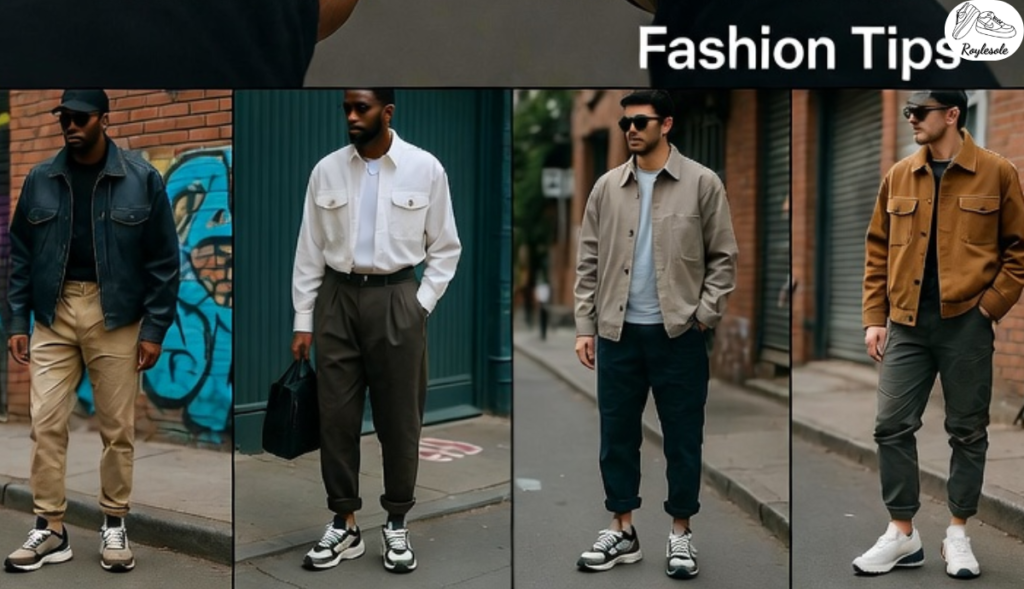
Women’s sneakers often feature broader color palettes and patterns. Men seeking a unique style appreciate these creative design options. Fashion today values individuality more than strict conformity. Sneakers serve as expressive pieces reflecting mood, personality, and taste. Choosing appealing designs boosts confidence and enjoyment significantly.
Streetwear culture encourages mixing styles beyond gender boundaries. Many trends start by breaking traditional fashion expectations. Sneakers play central roles in these cultural shifts. Wearing what looks good matters more than labels. Style confidence often inspires others to rethink assumptions.
Social Acceptance And Perception
Public attitudes toward fashion continue evolving gradually worldwide. Many communities now accept flexible clothing choices openly. Sneakers especially face less judgment compared to other garments. Comfortable shoes rarely attract negative attention today. Confidence influences perception more than the footwear category.
Some environments remain conservative regarding gendered clothing norms. Personal safety and comfort should guide public fashion choices. Most reactions stem from curiosity rather than hostility. Education helps reduce stigma around clothing expression. Time and visibility slowly normalize diverse style decisions.
Historical Perspective On Gendered Shoes
Historically, shoes were practical items shared across genders. High heels originally served men for riding purposes. Gendered fashion categories developed during industrial marketing eras. These divisions reflected commerce rather than functional necessity. Understanding history reveals how arbitrary many fashion rules are.
Sneakers emerged as athletic tools focused on performance. Early designs prioritized activity needs, not gender aesthetics. Marketing later separated styles to increase sales reach. Modern consumers now challenge these outdated divisions. History supports flexibility rather than rigid fashion boundaries.
Athletic Performance And Women’s Sneakers
Some women’s sneakers offer excellent performance for various sports. Men can benefit from lightweight designs and responsive cushioning. Running training and casual wear often overlap with shoe requirements. Performance depends on fit, support, traction, and durability. Gender labels rarely affect these functional qualities.
Athletes often choose gear based on performance metrics. If women’s sneakers meet requirements, they remain valid options. Professional guidelines emphasize injury prevention and comfort. Testing shoes during activity ensures suitability. Performance success matters more than marketing categories.
Sizing Challenges And Solutions
Finding the correct size remains the biggest challenge initially. Conversion charts provide starting points, not final answers. Trying shoes in stores reduces ordering mistakes and frustration. Online reviews often mention helpful details. Patience during selection improves long-term satisfaction.
Some brands offer extended sizing across gender lines. Unisex models simplify selection and reduce confusion. Custom insoles adjust fit when the width differs slightly. Professional fitting services can provide guidance. Solutions exist for most sizing concerns easily.
Cultural Influence And Media
Media representation shapes attitudes toward fashion choices strongly. Celebrities wearing diverse styles influence public acceptance quickly. Sneakers appear frequently in music, sports, and social media. These platforms celebrate experimentation and authenticity. Cultural momentum supports breaking outdated fashion norms.
Youth culture especially embraces gender neutral fashion trends. Sneakers symbolize freedom, movement, and self-expression. Young consumers prioritize comfort and identity alignment. This shift pressures brands to adapt inclusively. Culture now leads commerce rather than following it.
Practical Buying Tips
Always measure feet accurately before purchasing sneakers. Try shoes later in the day when feet expand naturally. Walk test, squat, and stand to assess comfort. Check return policies when ordering online carefully. Comfort indicators include no pressure points or slipping.
Consider purpose casual walking, sports, or long standing hours. Choose materials suitable for the climate and activity levels. Ignore labels if the shoe meets comfort style needs. Budget wisely since quality affects durability support. Smart choices reduce regret and improve daily wear.
Confidence And Personal Choice
Wearing women’s sneakers reflects personal autonomy and comfort. Confidence grows when choices align with personal values. External opinions lose power against self-assurance. Shoes support lifestyle movement and well-being. Personal choice remains the strongest fashion statement.
Men increasingly redefine masculinity through openness, flexibility, and style. Clothing no longer dictates strength, capability, or worth. Choosing comfortable sneakers supports health and happiness. Self-expression encourages broader social understanding. Confidence ultimately makes any footwear acceptable.
FAQ’s
Can men wear women’s sneakers comfortably every day?
Yes, men can wear women’s sneakers daily if fit feels comfortable.
How do men convert women’s sneaker sizes correctly?
Men usually add one and a half sizes to women’s numbers.
Are women’s sneakers generally narrower than men’s sneakers?
Women’s sneakers often have narrower heels but vary by brand.
Will people judge men wearing women’s sneakers publicly?
Most people rarely notice sneakers, and judgment continues to decrease.
Do brands design sneakers specifically unisex now?
Many brands offer unisex sneakers to simplify fit and choice.
Conclusion
Men can absolutely wear women’s sneakers comfortably and confidently. Fit, comfort, and style matter more than gender labels. Modern culture increasingly supports flexible fashion choices. Sneakers especially transcend outdated boundaries easily. Informed decisions empower individuals daily.
Choosing footwear should prioritize health, expression, and practicality. Trying options without fear opens better possibilities. Society benefits when norms adapt to real needs. Shoes serve people, not traditions or categories. Confidence and comfort always walk together forward.










Post Comment