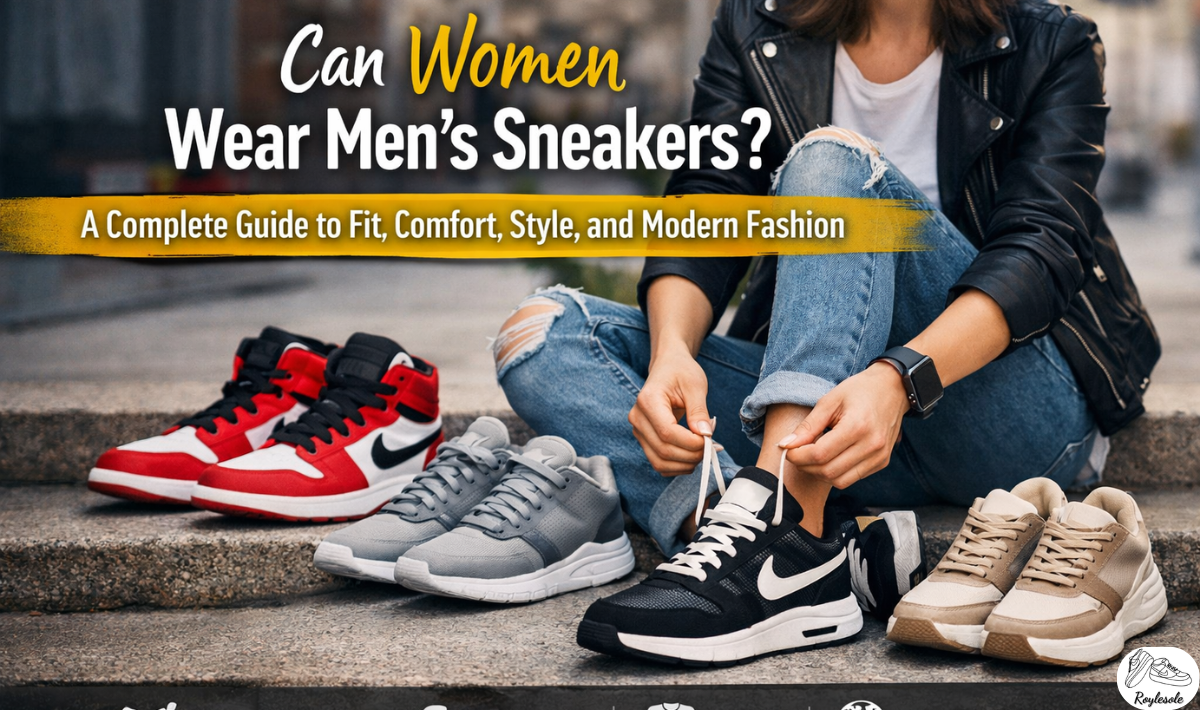
Can women wear men’s sneakers? Fit, Comfort, Style, and Modern Fashion
Sneakers have evolved from sports essentials into universal lifestyle footwear. Their design versatility supports diverse activities, fashion tastes, and personal expression. Cultural shifts have redefined sneakers as gender neutral wardrobe staples. Women increasingly explore styles previously marketed exclusively toward male consumers. This exploration raises questions about fit, comfort, aesthetics, and social acceptance. Understanding sneaker history helps contextualize changing norms surrounding gendered footwear. Practical considerations influence purchasing decisions beyond traditional marketing categories. This article examines whether women can confidently wear men’s sneakers today. It explores design differences, sizing concerns, cultural perspectives, and styling guidance.
Historically, footwear design followed rigid gender distinctions reinforced by marketing strategies. Men’s sneakers emphasized durability, performance, and muted color palettes traditionally. Women’s sneakers prioritized aesthetics, lighter materials, and narrower structural profiles. Such distinctions reflected societal assumptions about gender roles and activities. Over time, athletic performance needs challenged these simplified gender binaries. Unisex sneaker models emerged responding to broader consumer demand. Global fashion movements accelerated acceptance of cross gender sneaker usage. Women now access broader sneaker selections without compromising style. Men’s sneakers increasingly appeal through comfort, innovation, and availability.
The question extends beyond permission toward practicality and personal preference. Women seek footwear supporting lifestyle needs regardless of gender labels. Sneaker companies increasingly design products accommodating diverse foot shapes. Retail environments now encourage experimentation across traditional product sections. Social media normalizes women wearing men’s sneakers confidently worldwide. Education about sizing and fit empowers informed purchasing decisions. Cultural acceptance continues evolving through visibility and representation. Understanding benefits and challenges ensures confident, comfortable sneaker choices. The discussion ultimately centers on individual comfort and self expression.
Table of Contents
Fit Differences Between Men’s And Women’s Sneakers
Men’s sneakers typically feature wider toe boxes and broader midfoot construction. Women’s sneakers often accommodate narrower heels and lower instep profiles. Foot shape variations influence comfort, stability, and injury prevention significantly. Women trying men’s sneakers should assess width compatibility carefully. Proper fit reduces friction, pressure points, and long term discomfort.
Length conversion remains relatively straightforward between men’s and women’s sizing. Generally, women size down one and a half sizes. However, brand specific variations complicate universal sizing conversions. Trying sneakers physically ensures optimal fit whenever possible. Online shoppers should consult detailed size charts provided by manufacturers.
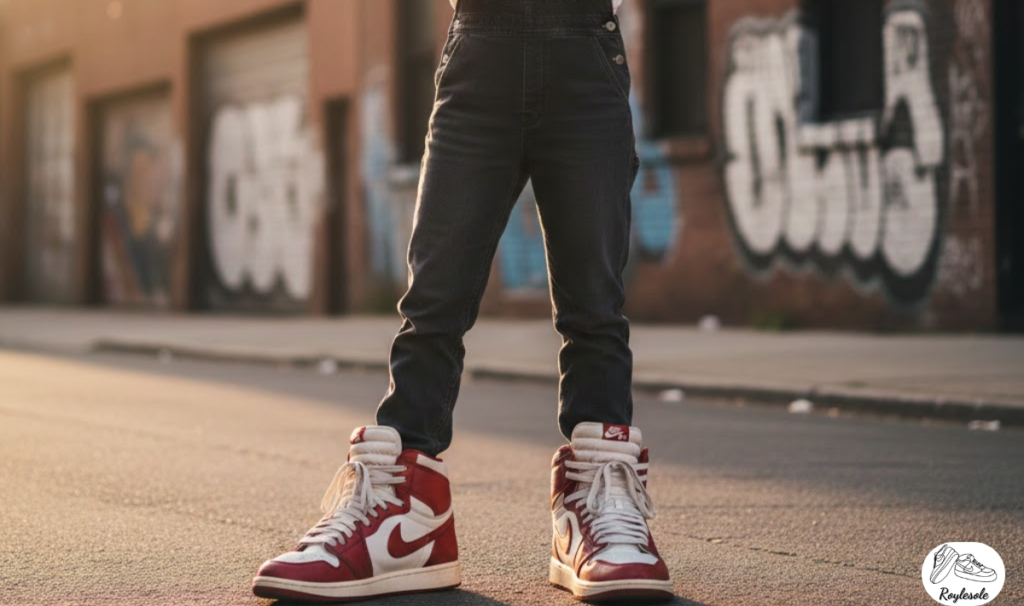
Comfort And Performance Considerations
Comfort remains the primary factor when selecting appropriate sneakers. Men’s sneakers sometimes offer thicker cushioning and enhanced impact protection. These features benefit activities requiring prolonged standing or walking. Women may prefer men’s sneakers for enhanced durability. Performance needs ultimately outweigh gender specific design intentions.
Weight differences can influence perceived comfort during extended wear. Men’s sneakers occasionally feel heavier due to construction materials. Some women appreciate additional support despite slight weight increases. Personal tolerance determines comfort preferences significantly. Testing sneakers during intended activities ensures satisfactory performance outcomes.
Style And Aesthetic Appeal
Men’s sneakers often feature minimalist designs and neutral colorways. Such aesthetics complement various outfits across casual fashion contexts. Women incorporate men’s sneakers into streetwear and athleisure styles. Oversized sneaker trends further encourage cross gender adoption. Styling creativity transcends traditional fashion boundaries effortlessly.
Conversely, women’s sneakers frequently showcase vibrant colors and detailing. Some women prefer understated designs available in men’s collections. Fashion remains subjective, influenced by personal identity and confidence. Men’s sneakers provide versatile canvases for creative expression. Aesthetic choice remains independent from gender marketing labels.
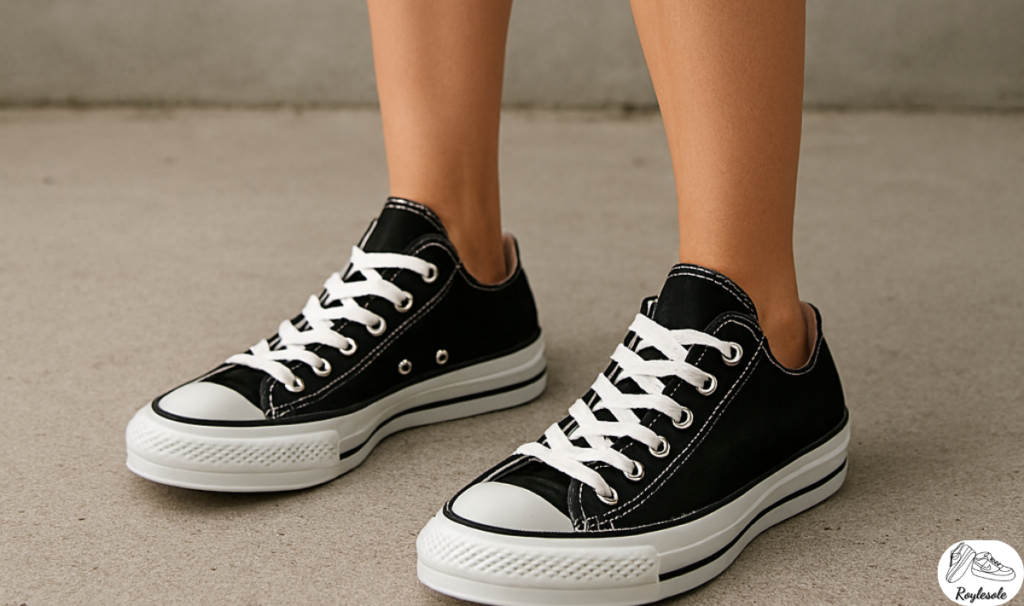
Cultural Acceptance And Social Norms
Cultural perceptions increasingly support gender neutral fashion choices. Sneakers symbolize individuality, rebellion, and modern self expression globally. Women wearing men’s sneakers challenge outdated fashion conventions. Societal acceptance grows through normalization and representation. Footwear becomes a statement rather than a restriction.
Celebrity endorsements accelerate acceptance of cross gender sneaker trends. Influencers regularly showcase diverse sneaker styling approaches online. Visibility reduces stigma and encourages experimentation among consumers. Younger generations embrace fluid fashion identities more readily. Cultural evolution supports personal comfort over prescribed norms.
Sizing Conversion And Practical Tips
Understanding sizing conversion simplifies purchasing men’s sneakers confidently. Typically, subtract one and a half from women’s size. For example, women’s eight equals men’s six and a half. Width considerations remain equally important during conversion. Trying both sizes improves accuracy and comfort outcomes.
Socks thickness influences perceived fit during wear. Testing sneakers later in the day accommodates foot swelling. Walk and stand briefly when trying new sneakers. Ensure adequate toe space and heel security. Avoid assuming identical fit across different brands.
Availability And Market Accessibility
Men’s sneakers often offer broader style and size availability. Limited women’s releases sometimes restrict design and color options. Women explore men’s sections seeking desired aesthetics and performance. Market expansion encourages inclusive purchasing experiences. Retailers increasingly remove gender based sectioning barriers.
Exclusive sneaker releases often target men’s sizing ranges primarily. Women adapt by purchasing smaller men’s sizes when available. Brands now acknowledge demand for inclusive sizing offerings. Consumer feedback influences future product development strategies. Accessibility improvements benefit all sneaker enthusiasts universally.
Durability And Material Construction
Men’s sneakers often prioritize durability through reinforced materials. Heavier usage assumptions influence material thickness and stitching. Women engaging in demanding activities appreciate robust construction. Longevity becomes a compelling reason for choosing men’s sneakers. Durable sneakers reduce replacement frequency and overall costs.
Material differences affect breathability, flexibility, and maintenance. Men’s sneakers sometimes feature less flexible uppers. Break in periods may require patience initially. Proper care extends lifespan regardless of gender category. Material quality outweighs marketing classification considerations.
Health And Foot Support Factors
Foot health depends on proper alignment and support features. Men’s sneakers sometimes provide firmer arch support structures. Women with higher arches may benefit from such designs. Conversely, narrow feet might require additional insoles. Health outcomes rely on individualized fit assessments.
Ignoring discomfort risks long term foot complications. Blisters, calluses, and joint pain indicate improper fit. Consulting specialists helps address persistent foot issues. Sneaker choice influences posture and gait patterns. Health priorities should guide purchasing decisions primarily.
Fashion Industry Shifts Toward Inclusivity
Fashion industries increasingly embrace gender neutral product lines. Sneakers lead this transformation due to universal appeal. Brands promote inclusivity through marketing and design innovation. Consumers respond positively to expanded choice and freedom. Gender labels gradually lose relevance within sneaker culture.
Collaborations emphasize creativity beyond traditional gender segmentation. Limited editions often feature unisex sizing and branding. Retail presentation evolves toward experience based shopping. Inclusivity aligns with broader societal values and expectations. Sneakers exemplify progressive fashion industry transformation.
Personal Preference And Confidence
Confidence ultimately determines successful sneaker styling experiences. Women wearing men’s sneakers should prioritize personal comfort. Fashion rules become irrelevant when confidence is evident. Self expression thrives through experimentation and authenticity. Sneakers empower individuality across gender boundaries effortlessly.
Feedback from peers often reflects confidence rather than judgment. Comfortable footwear enhances posture and self assurance. Positive experiences reinforce continued exploration of diverse styles. Personal preference outweighs external opinions consistently. Confidence remains the defining factor in fashion choices.
FAQ’s
Can women wear men’s sneakers without discomfort?
Yes, women can wear men’s sneakers comfortably with proper sizing selection. Understanding width and length differences ensures better fit outcomes. Trying sneakers physically helps assess comfort accurately. Many women find men’s sneakers supportive and durable. Comfort depends on individual foot shape and preferences. Testing during intended activities confirms suitability effectively. Insoles can further enhance comfort when needed. Overall, proper fit minimizes discomfort risks significantly.
How should women convert sizing for men’s sneakers?
Women generally subtract one and a half sizes when converting. For example, women’s nine equals men’s seven and a half. Brand variations require checking specific size charts. Width differences remain important during conversion. Trying multiple sizes ensures optimal fit selection. Consult retailer guidance for accurate conversions. Online reviews often mention sizing accuracy helpfully. Conversion provides a starting point rather than absolute rule.
Are men’s sneakers wider than women’s sneakers?
Men’s sneakers typically feature wider toe boxes. This accommodates broader average male foot structures. Women with wider feet may prefer men’s sneakers. Narrow footed women might experience looseness. Proper lacing techniques can improve fit security. Trying different models helps identify suitable widths. Width varies across brands and styles significantly. Fit assessment remains essential before purchase.
Do men’s sneakers suit women’s fashion styles?
Yes, men’s sneakers complement many women’s fashion aesthetics. Minimalist designs pair well with casual and athleisure outfits. Streetwear trends embrace oversized sneaker silhouettes. Styling creativity enhances outfit versatility effectively. Color coordination ensures cohesive visual appeal. Accessories and clothing balance sneaker proportions. Confidence elevates any fashion choice successfully. Fashion suitability depends on personal styling approach.
Are brands moving toward gender neutral sneakers?
Many brands actively develop gender neutral sneaker collections. Unisex sizing expands accessibility for diverse consumers. Marketing increasingly emphasizes inclusivity and choice. Consumer demand drives continued industry transformation. Sneakers lead gender neutral fashion adoption. Collaborations highlight creativity beyond gender labels. Retail environments adapt toward inclusive presentation. The trend continues growing within global sneaker culture.
Conclusion
Women can absolutely wear men’s sneakers comfortably and stylishly. Fit, comfort, and personal preference guide appropriate sneaker selection. Gender labels no longer define acceptable footwear choices. Practical considerations outweigh traditional marketing distinctions. Cultural acceptance supports inclusive fashion expression worldwide. Understanding sizing and fit ensures positive experiences. Men’s sneakers offer durability, versatility, and aesthetic variety. Ultimately, comfort and confidence are key to making successful sneaker choices.
The evolving sneaker landscape reflects broader societal progress. Women benefit from expanded access to diverse sneaker designs. Men’s sneakers provide functional and stylistic advantages. Informed decisions empower confident, comfortable footwear experiences. Fashion freedom encourages experimentation beyond traditional boundaries. Sneakers symbolize individuality and modern self expression. Choosing sneakers becomes an act of personal empowerment. Women should feel unrestricted exploring all sneaker options available.






Post Comment