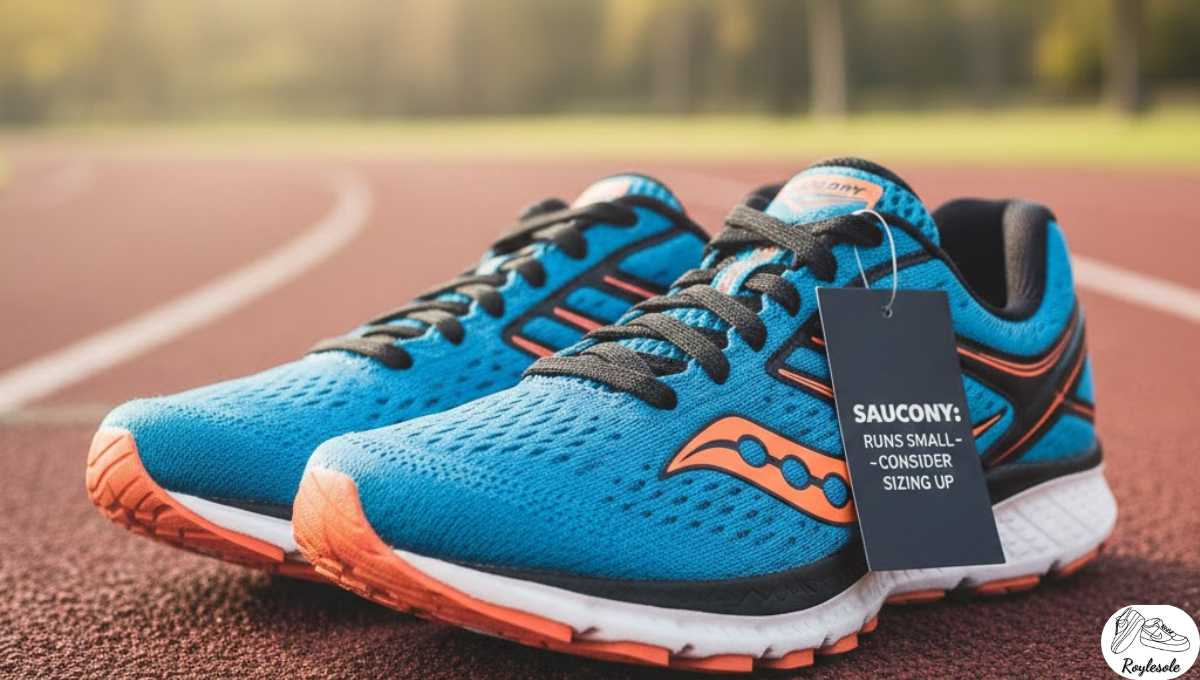
Do Saucony Sneakers Run Small? Sizing Guide, Fit Tips, And Expert Advice
Many sneaker buyers wonder whether Saucony sneakers run small generally. Sizing accuracy matters greatly for comfort, performance, and injury prevention. Saucony offers various models designed for running, training, and lifestyle purposes. Understanding fit differences helps shoppers choose appropriate sizes confidently. Here, we explore Saucony sneaker sizing using research and user experiences.
Foot shape, sock thickness, and intended activity affect sneaker sizing. Some brands fit narrow, others wide, while some vary between models. Saucony has a long history of producing performance-focused running footwear. Their sizing reputation sparks frequent debate among runners and casual wearers. Clarifying these concerns helps buyers avoid discomfort and unnecessary returns.
Online shopping increases the importance of accurate sneaker sizing information. Returns waste time, money, and reduces overall customer satisfaction significantly. Knowing whether these sneakers run small improves purchasing decisions. We provide detailed explanations, comparisons, and sizing recommendations. Readers will gain confidence in choosing these sneakers fitting their needs.
Table of Contents
Their Brand Sizing Philosophy
Saucony prioritizes performance fit for runners seeking precision. Their designs emphasize secure lockdown and responsive foot movement. This philosophy can create a snug feel for some wearers. Snug fit does not always mean sneakers run small. Instead, it reflects intended performance-oriented design choices.
Many of these models follow standardized athletic sizing charts. Length usually matches true size, while width varies slightly. Performance runners often prefer closer fits, reducing internal foot movement. Casual wearers may perceive this snugness as smaller sizing. Learn intent helps interpret their sizing accurately.
Do These Sneakers Run Small Overall
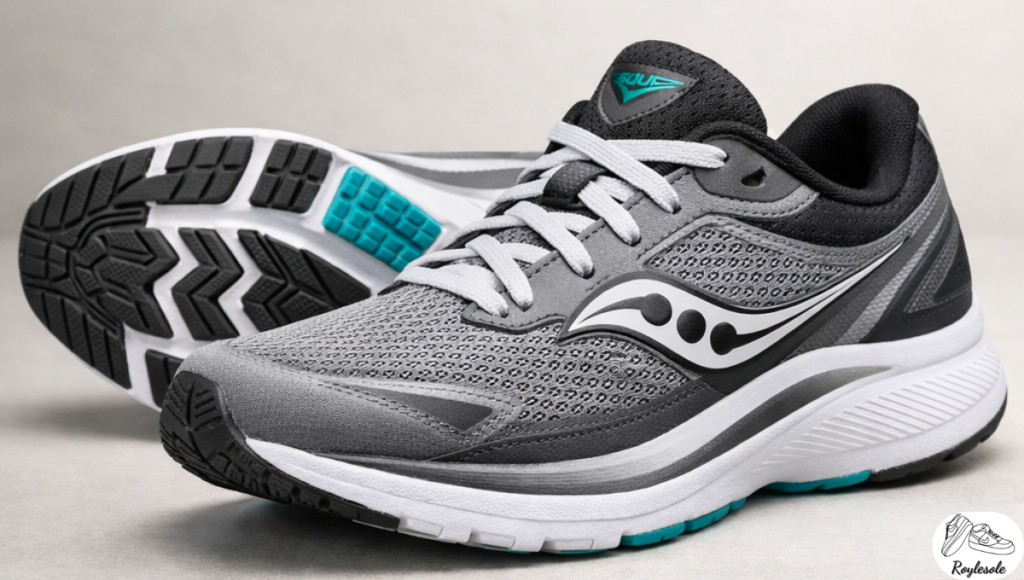
Most of these sneakers fit true to size lengthwise. However, some models feel narrower compared to competitors. People with wider feet may experience tightness initially. This tightness sometimes leads to assumptions that sneakers run small. Length accuracy remains consistent across most of this collection.
Sizing feedback varies based on model, foot shape, and expectations. Running shoes often fit differently from casual lifestyle sneakers. Their racing models typically feel tighter than daily trainers. This difference supports performance rather than comfort prioritization. Consumers should evaluate specific model fit rather than generalizing.
Width Considerations in these Sneakers
Width significantly impacts perceived sizing accuracy for sneakers. This commonly offers standard, wide, and extra-wide options. Standard widths may feel narrow for broader feet. Wide options address this concern for many wearers. Checking width availability prevents unnecessary sizing mistakes.
People with narrow feet often praise the secure fit. Those with wide feet may need half-size adjustments. Width discomfort is often mistaken for short shoe length. Measuring foot width helps determine the appropriate option. Always review width charts before purchasing online.
Differences Between Saucony Running and Casual Models
This brand of running shoes emphasizes stability, grip, and responsiveness. These features often require a snugger, performance-focused fit. These Casual sneakers prioritize comfort and everyday wearability. Casual models usually feel roomier than running counterparts. Learning purpose explains the sizing differences across collections.
Lifestyle sneakers accommodate longer wear and varied activities. They often include softer uppers and relaxed toe boxes. Running models reduces excess space for efficiency. Comparing similar-use models ensures accurate sizing decisions. Never compare racing shoes with casual sneakers directly.
How they Compares to Other Sneaker Brands
Compared to Nike, this brand fits slightly narrower overall. Compared to Adidas, Saucony’s length remains similarly true. New Balance often offers wider default fits. These differences influence perceived sizing inconsistencies. Brand comparisons help buyers adjust expectations appropriately.
Runners switching brands should not assume identical sizing. Trying half sizes may improve comfort during transitions. Brand loyalists often stay consistent with known models. First-time buyers should research comparisons carefully. Awareness reduces disappointment and unnecessary returns.
Impact of Foot Shape on Saucony Fit
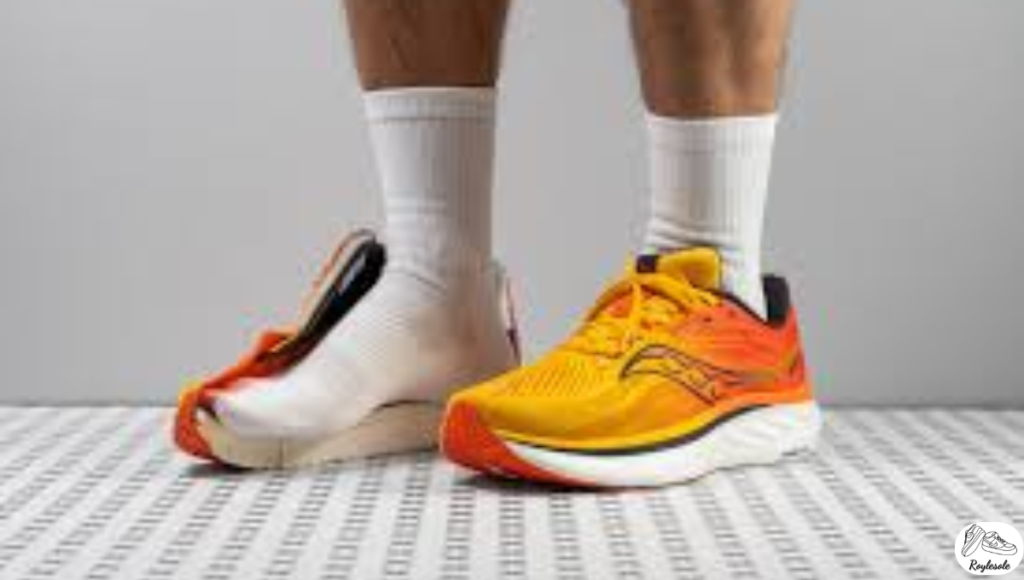
Foot shape varies greatly among individuals globally. High arches, flat feet, and wide forefeet affect fit. Brand designs favor neutral to slightly narrow profiles. Certain models accommodate orthotics better than others. Foot anatomy strongly influences sizing perception.
People with wider toe splay may feel cramped. Those with narrow heels often appreciate the brand lockdown. Trying shoes later in the day improves accuracy. Feet naturally swell during daily activities. This practice helps avoid undersized purchases.
Popular Saucony Models and Their Fit
Saucony Ride series fits true to size generally. Saucony Kinvara feels snug but accurate lengthwise. Saucony Triumph offers a slightly roomier toe box. The Saucony Endorphin series feels performance-tight intentionally. Model-specific reviews clarify expected fit differences.
Trail models may fit tighter for stability. Road models prioritize balanced comfort and responsiveness. Checking official model descriptions aids sizing decisions. User reviews highlight recurring fit observations. Model awareness prevents incorrect generalizations.
Sock Thickness and Fit Experience
Sock choice significantly influences sneaker fit perception. Thicker socks reduce internal space noticeably. Runners using compression socks should consider sizing carefully. Thin socks enhance precision but reduce cushioning feel. Always test shoes using the intended sock type.
Winter socks may require half-size adjustments. Summer socks often allow a truer size comfort. Ignoring sock thickness causes misleading fit impressions. Consistency ensures accurate evaluation during try-ons. Planning improves long-term comfort satisfaction.
Break-In Period and Material Flexibility
Some Saucony uppers soften after short break-in periods. Initial tightness may reduce after several wears. Engineered mesh adapts better than rigid synthetic materials. Leather-based uppers require longer adjustment times. Patience helps determine true long-term fit.
Immediate discomfort should not be ignored, though. Pain indicates incorrect sizing or an unsuitable model. Minor snugness often resolves naturally. Severe pressure suggests exchanging sizes promptly. Understanding break-in avoids premature judgments.
Expert Recommendations for Choosing Saucony Size
Experts recommend starting with your true athletic size. Consider half a size up for wide feet. Measure feet professionally for best results. Review model-specific fit notes before purchasing. Order from retailers offering easy returns.
Trying shoes indoors preserves exchange eligibility. Walk and jog briefly to assess comfort. Check toe space, ensuring thumb-width clearance. Heel slippage should remain minimal. Proper evaluation prevents long-term discomfort issues.
FAQ’s
Do These sneakers run small compared to Nike?
These sneakers feel narrower than Nike, but the length remains true. Width difference causes perceived sizing issues for some wearers. Nike generally offers slightly roomier standard fits. Half-size adjustments may help during brand transitions. Comparing specific models ensures accurate sizing decisions.
Should I size up in Saucony running shoes?
Most runners choose the true size successfully. Wide-footed runners may consider half a size up. Model design and foot shape influence this decision. Trying wide options often solves tightness issues. Always prioritize comfort during movement testing.
Are these sneakers good for wide feet?
These offer wide and extra-wide sizing options. Not all models include expanded width availability. Checking product specifications prevents unsuitable purchases. Wide versions significantly improve comfort for broader feet. Availability varies by model and retailer.
Do these sneakers stretch over time?
Some materials stretch slightly after break-in. Engineered mesh adapts better than rigid uppers. Stretching does not significantly increase shoe length. Width flexibility improves modestly with wear. Do not rely on stretching to fix wrong sizing.
How can I ensure that this brand’s sneaker sizing is online?
Measure feet accurately using a sizing guide. Review model-specific fit descriptions carefully. Read multiple customer reviews for patterns. Order from stores with flexible return policies. Try shoes indoors before outdoor use.
Conclusion
Saucony sneakers generally run true to size lengthwise. Perceived smallness usually relates to width and performance design. Different models fit differently based on intended usage. Understanding these factors improves sizing accuracy greatly. Informed buyers enjoy better comfort and performance.
Considering foot shape, socks, and model choice matters. Researching reviews and brand comparisons adds clarity. Saucony offers options accommodating diverse foot needs. Correct sizing enhances enjoyment and reduces injury risk. Knowledge empowers confident Saucony sneaker purchases.





Post Comment