Do You Wear Sneakers to Pilates? Proper Footwear Guide Explained
Pilate focuses on controlled movements, improving strength, flexibility, balance, and posture. Many beginners ask whether sneakers are appropriate during Pilates sessions. Learning about footwear choices helps improve comfort, safety, and workout effectiveness. Unlike high-impact workouts, Pilates emphasizes precision, stability, and body awareness. Footwear decisions influence alignment, muscle engagement, and instructor guidance effectiveness significantly.
Traditionally, Pilates originated as a mat-based discipline encouraging barefoot practice. Studios often recommend socks or bare feet for optimal performance. This recommendation supports grip, proprioception, and precise muscle activation. However, modern fitness trends introduce confusion regarding sneakers in Pilates. Clarifying when sneakers are appropriate requires learn Pilates formats and goals.
Here, we explore whether wearing sneakers to Pilates is advisable. We analyze safety, performance, studio etiquette, and health considerations carefully. Different Pilates styles and personal needs influence footwear decisions significantly. By understanding these factors, participants can choose footwear confidently. Informed choices enhance comfort, effectiveness, and long-term Pilates enjoyment.
Table of Contents
Traditional Pilates Footwear Philosophy
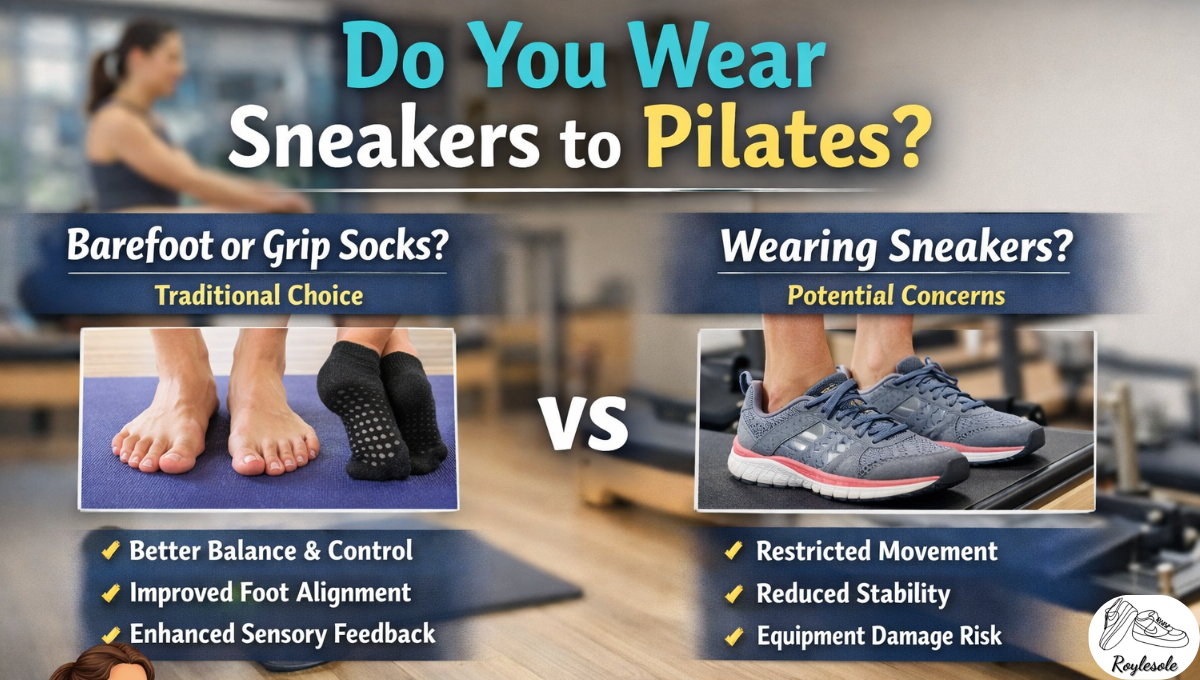
Pilates was designed to enhance natural movement patterns without restrictive footwear. Bare feet allow instructors to observe alignment, weight distribution, and engagement. Direct foot contact improves sensory feedback essential for controlled movements. This philosophy prioritizes precision over external support or cushioning. Minimal footwear encourages intrinsic foot muscle strength development over time.
Joseph Pilates emphasized body awareness through mindful, deliberate movement. Shoes can interfere with tactile feedback from the floor surface. Reduced feedback may limit balance improvements and coordination gains. Barefoot practice enhances stability during standing and transitional exercises. This approach remains foundational across classical Pilates traditions globally.
Differences Between Mat Pilates And Reformer Pilates
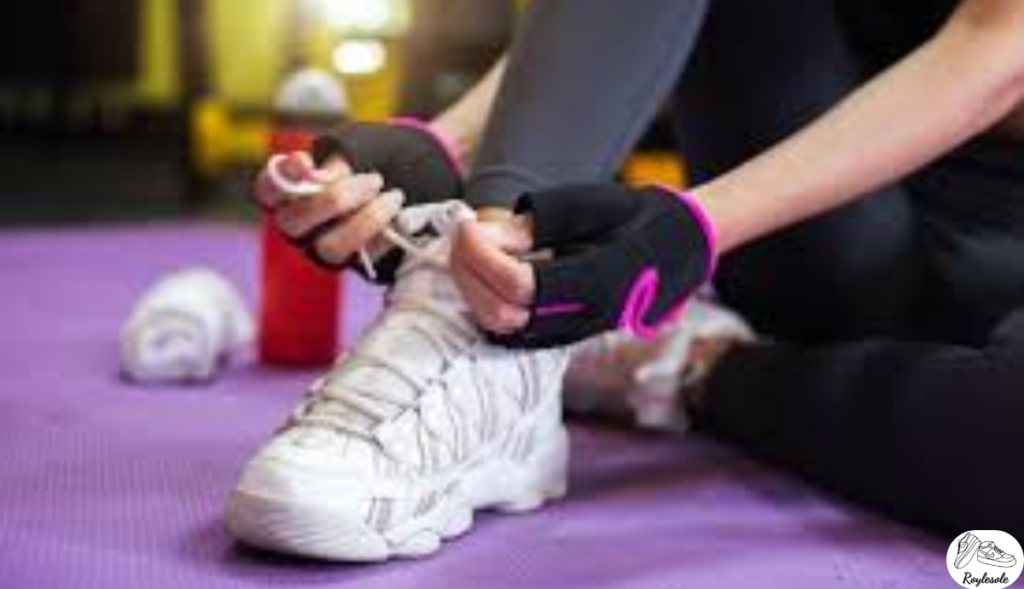
Mat Pilates typically involves floor-based exercises using bodyweight resistance. Participants frequently perform rolling, stretching, and stabilization movements. Bare feet improve grip on mats and prevent slipping. Sneakers may restrict ankle mobility during essential movements. Therefore, footwear-free practice is commonly recommended for mat sessions.
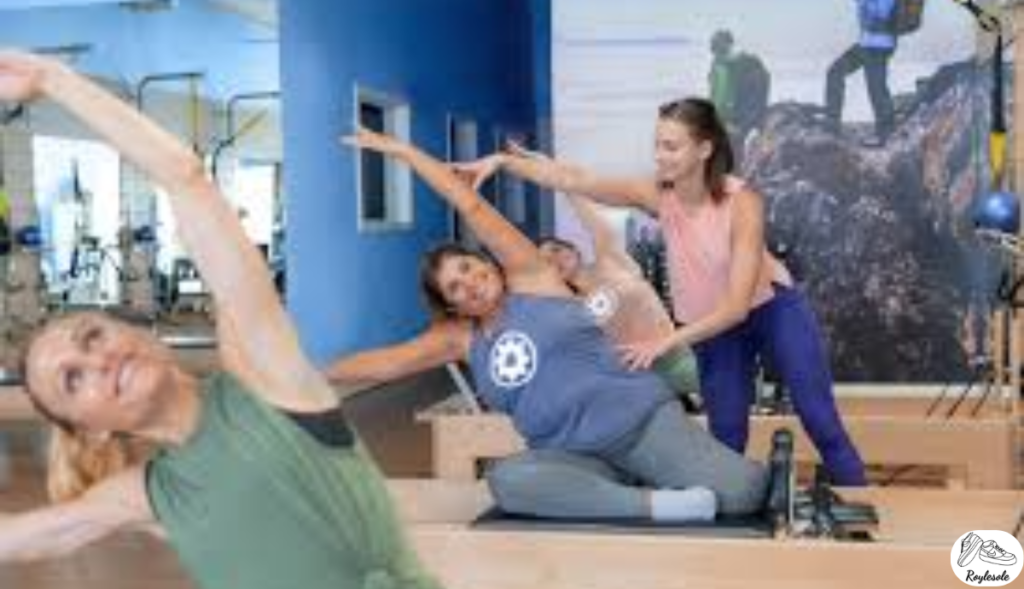
Reformer Pilates uses specialized equipment with springs, straps, and platforms. Some reformer exercises involve standing or foot placement on platforms. Studios may allow supportive footwear for specific reformer classes. However, grip socks often replace sneakers for safety. Instructor guidance usually determines acceptable footwear for reformer sessions.
Safety Considerations When Wearing Sneakers To Pilates
Sneakers provide cushioning designed for impact-heavy activities like running. Pilates involves low-impact, controlled movements requiring stable ground contact. Excess cushioning can destabilize balance during precise exercises. Thick soles may reduce foot articulation and ankle mobility. This limitation increases the risk of misalignment during controlled movements.
Sneakers may also reduce tactile awareness during balance-focused exercises. Reduced awareness can compromise posture and muscle activation accuracy. Loose-fitting shoes increase tripping risk during transitions. Studios prioritize safety through minimal footwear recommendations. Following studio guidelines reduces injury risk and ensures class consistency.
When Sneakers Might Be Acceptable During Pilates
Certain Pilates classes integrate hybrid fitness or cardio elements. These fusion classes may include standing sequences or dynamic transitions. In such cases, lightweight sneakers may be permitted. Participants with medical conditions may require supportive footwear. Always discuss footwear needs with instructors before class participation.
Some beginners feel more confident wearing sneakers initially. Psychological comfort can support consistency and confidence early. However, transitioning to barefoot practice is often encouraged. Gradual adaptation improves foot strength and balance. Instructor feedback helps determine appropriate timing for this transition.
Impact Of Sneakers On Pilates Performance Quality
They emphasize controlled articulation of feet and ankles. Sneakers restrict natural foot movement during flexion and extension. Restricted movement reduces the effectiveness of lower-body exercises. Footwear bulk can alter body mechanics subtly. These changes affect precision, alignment, and movement quality.
Barefoot practice enhances the connection between mind and body. Improved connection supports deeper muscle engagement and control. Sneakers may create dependency on external support. This dependency limits long-term functional strength development. Optimal performance relies on minimal interference during movement execution.
Studio Etiquette And Instructor Expectations Regarding Footwear
Most trainers’ studios clearly communicate footwear expectations to participants. Bare feet or grip socks are commonly required. This standard maintains cleanliness, safety, and a consistent class experience. Sneakers may damage equipment or mats. Following etiquette demonstrates respect for instructors and fellow participants.
Instructors rely on visual cues from feet during instruction. Covered feet limit the visibility of alignment issues. Clear visibility supports accurate corrections and guidance. Studios prioritize environments conducive to effective teaching. Adhering to footwear policies supports instructional quality.
Health Conditions That May Influence Footwear Choices
Some individuals have foot conditions requiring additional support. Plantar fasciitis or arthritis may necessitate cushioned footwear. In such cases, sneakers can provide comfort and protection. Medical needs should always override general recommendations. Open communication with instructors ensures safe practice modifications.
Orthotic inserts may be required for certain participants. Some studios allow minimalist shoes accommodating orthotics. These options balance support with mobility needs. Customized solutions enhance comfort without compromising technique. Health-focused adaptations support long-term participation and safety.
Alternatives To Sneakers Commonly Used In their Classes
Grip socks are the most popular Pilates footwear alternative. They provide traction while allowing natural foot movement. Non-slip soles enhance stability during standing exercises. Socks also maintain hygiene within studio environments. Many styles offer warmth, compression, and arch support benefits.
Minimalist Pilates shoes offer another acceptable option. These shoes feature thin soles and flexible materials. They protect feet while preserving tactile feedback. Such footwear suits participants preferring light coverage. Always confirm acceptability with specific studio policies.
How To Choose Appropriate Footwear For their Sessions
Consider class type, studio rules, and personal comfort. Assess whether exercises emphasize floor work or standing movements. Choose footwear allowing full ankle and toe mobility. Avoid heavy soles or excessive cushioning designs. Lightweight, flexible options support optimal movement quality.
Try different options to determine comfort and stability. Listen to instructor feedback regarding alignment and performance. Gradually adapt footwear choices as confidence increases. Prioritize safety, control, and sensory awareness. Thoughtful selection enhances both experience and results.
Expert Recommendations And Industry Best Practices
Most of them professionals recommend barefoot or grip sock practice. This recommendation aligns with classical Pilates principles. Experts emphasize foot strength and proprioceptive development. Minimal footwear supports long-term functional movement improvements. Industry standards consistently favor reduced footwear intervention.
Fitness organizations support evidence-based footwear guidance. Low-impact disciplines benefit from direct ground contact. Professional training programs reinforce these recommendations. Consensus remains strong across Pilates education communities. Following expert guidance ensures effective, safe practice outcomes.
FAQ’s
Do you ever need sneakers for Pilate classes specifically?
Sneakers are rarely necessary except for medical or hybrid classes. Most Pilates sessions emphasize barefoot stability and control. Studios usually provide clear footwear guidelines beforehand. Always consult instructors regarding individual needs. Appropriate choices support safety and performance.
Are grip socks better than sneakers for practice?
Grip socks allow natural movement while preventing slipping. They provide traction without restricting ankle mobility. Studios commonly recommend grip socks over shoes. They balance hygiene, comfort, and performance needs. Grip socks are widely accepted alternatives.
Can beginners wear sneakers initially?
Beginners may feel comfortable starting with sneakers briefly. However, instructors often encourage transitioning away quickly. Barefoot practice improves learning and body awareness. Gradual adjustment supports confidence and safety. Instructor guidance is essential during transitions.
Do sneakers damage their equipment or mats?
Sneakers can scuff reformers and wear down mats. Studios protect equipment through footwear restrictions. Damage increases maintenance costs and safety risks. Following the rules preserves studio environments. Respecting equipment benefits all participants.
Are barefoot they safe for everyone?
Barefoot is safe for most healthy individuals. It improves balance, strength, and sensory feedback. Those with conditions should seek professional advice. Modifications ensure inclusive, safe participation. Personal needs should always guide decisions.
Conclusion
Wearing sneakers to Pilate is generally not recommended. Pilates prioritizes control, balance, and precise foot articulation. Bare feet or grip socks enhance performance and safety. Sneakers may interfere with movement quality and alignment. Understanding class type helps determine appropriate footwear choices.
Exceptions exist for medical needs or specialized class formats. Instructor communication ensures safe, personalized participation. Choosing minimal footwear supports traditional Pilate principles. Informed decisions improve results and long-term enjoyment. Ultimately, mindful choices enhance the Pilates experience significantly




Post Comment