How Long Do Sneakers Last? Sneaker Durability, Wear Signs, and Replacement Guide
Sneaker durability depends on usage patterns, materials maintenance, and storage conditions. Many buyers wonder How Long Do Sneakers Last? Sneaker Durability, Wear Signs, and Replacement Guide lasts when worn regularly. Lifespan varies significantly between athletic and casual fashion-focused sneaker designs. Learn to wear factors helps consumers make smarter purchasing and maintenance decisions. Here, I’m going to explore Sneaker durability timelines and signs of replacement strategies for sneakers. Proper care routines can dramatically extend the sneaker’s usability performance and Sneaker Durability. Different sneaker categories experience stress differently, affecting longevity outcomes. The construction quality of materials directly influences how quickly sneakers degrade structurally. Environmental exposure, moisture, and heat on surfaces also accelerate sneaker wear processes. Knowing expectations prevents disappointment and supports budgeting for footwear replacements.
Sneakers are designed to balance comfort, style, performance, cost, and manufacturing constraints. Manufacturers test for sneaker durability, but real usage differs widely. Running, walking, and standing sports all stress Sneaker Durability in unique ways. Weight, gait frequency, impact cushioning, breakdown, and sole compression rates. Learn biomechanics helps explain why Sneaker Durability fails at different times. Daily commuters wear sneakers differently compared with occasional weekend users. Athletes demand performance, causing faster degradation despite premium materials used. Casual users may see longer lifespans due to lighter stress. Rotation between multiple pairs significantly extends individual sneaker durability. Lifestyle choices ultimately determine how long sneaker durability realistically lasts.
We provide practical timelines, signs, and care advice. Readers will learn when sneaker durability needs replacement for safety and comfort. Ignoring wear signs risks injury, discomfort, reduced support, and alignment problems. Replacing sneakers promptly maintains foot health, posture, and performance confidence. Here, we cover materials usage frequency, maintenance, storage, and climate effects. Clear explanations avoid jargon while offering actionable durability insights. Consumers can compare expectations across running training lifestyle sneaker Durability. Each section builds logically, answering common longevity-related questions. By the end, readers understand how to maximize value from sneaker durability investments. Let us explore how long sneakers last in detail.
Table of Contents
Average Lifespan Expectations for Different Sneaker Durability Types
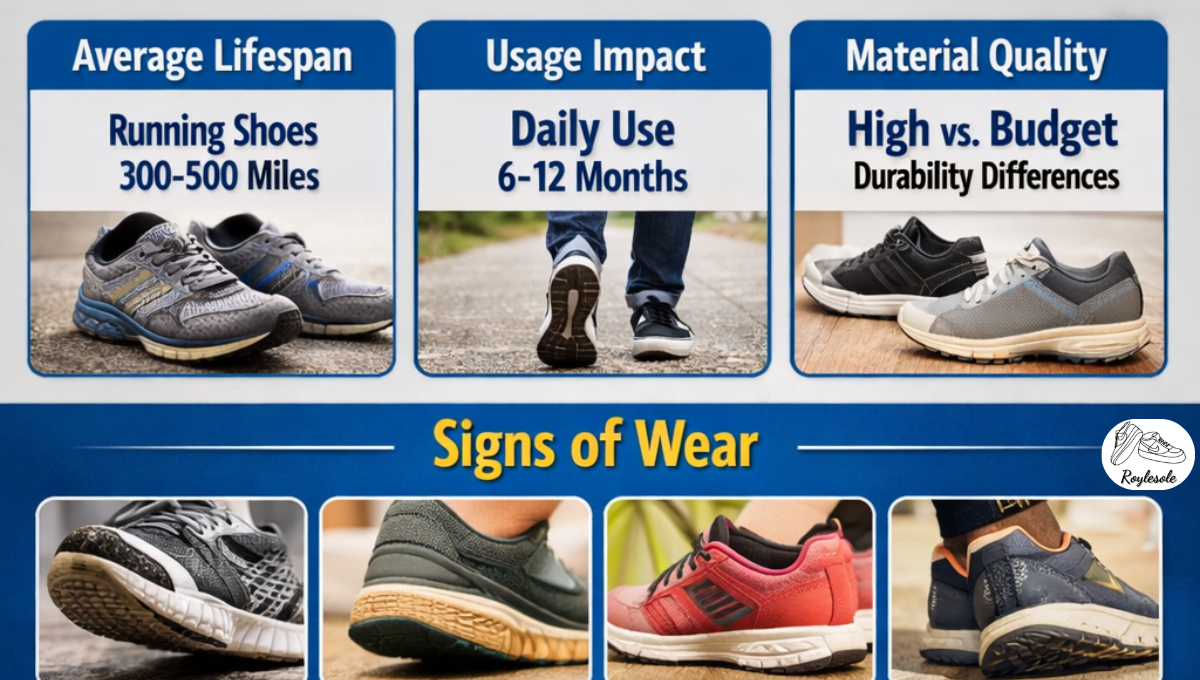
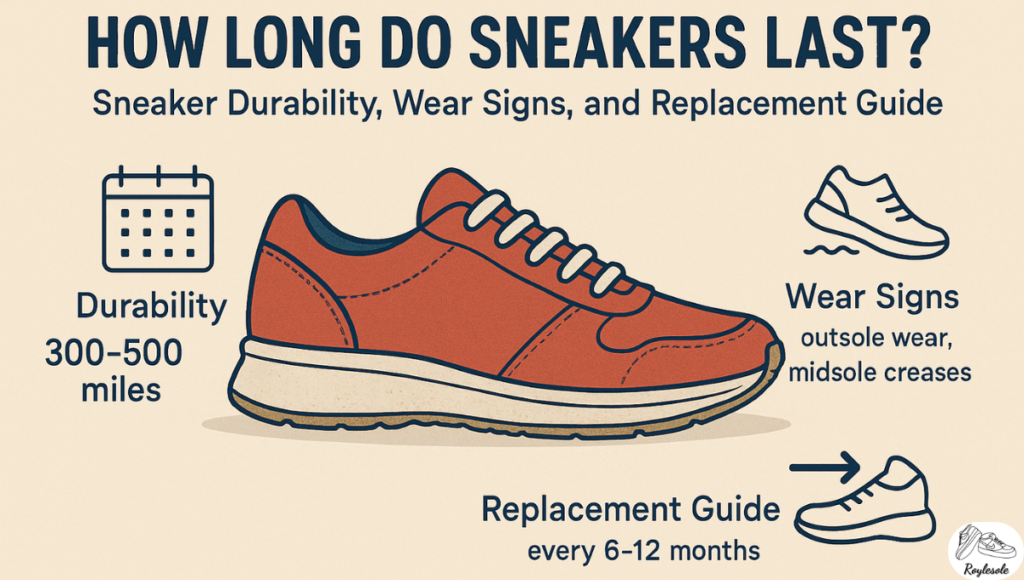
Running sneaker durability typically lasts between three hundred and five hundred miles. Mileage-based wear reflects cushioning compression rather than visible damage. Regular runners replace sneakers every six to twelve months. Light joggers may extend lifespan beyond yearly replacement recommendations. Tracking mileage helps runners replace sneaker durability before injury risks increase.
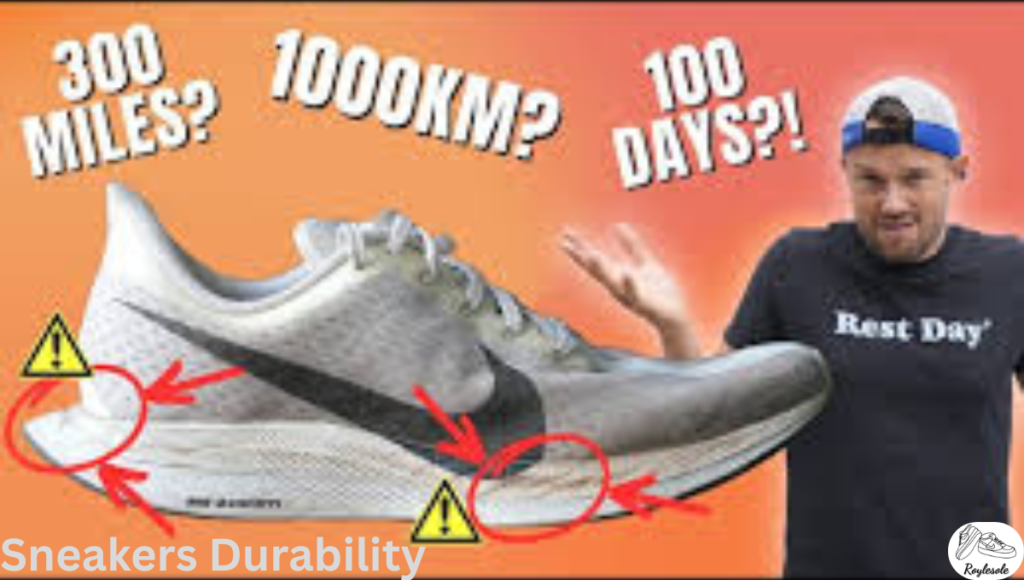
Walking sneaker durability lasts longer due to lower impact forces. The average walking sneaker durability ranges from one to two years. Daily walkers experience outsole wear more than cushioning breakdown. Quality materials can push walking sneaker durability toward upper ranges. Rotation and care further extend walking sneaker durability significantly.
How Usage Frequency Affects Sneaker Durability Over Time
Daily use dramatically reduces sneaker durability compared with occasional wear. Constant stress prevents materials from fully recovering between uses. Cushioning foams compress permanently under repeated daily loading. Outsoles wear faster when used continuously without rest days. Daily wearers should expect faster replacement cycles, realistically.
Occasional use allows materials time to decompress and dry. Reduced frequency lowers moisture buildup and odor degradation risks. Sneakers worn weekly may last several years comfortably. Infrequent use preserves structural integrity longer than expected. Usage frequency remains one of the strongest lifespan determinants.
Impact of Materials and Construction Quality on Durability
Upper materials significantly influence sneaker longevity and resilience. Leather uppers generally outlast mesh under similar usage conditions. Synthetic blends vary widely depending on weave density and quality. Reinforced stitching improves durability, preventing early seam failures. Poor construction leads to premature breakdown regardless of brand.
Midsole materials determine cushioning lifespan and comfort retention. EVA foam compresses faster than polyurethane alternatives typically. Modern blends balance a lightweight feel with acceptable durability. Outsole rubber hardness affects abrasion resistance on rough surfaces. High-quality construction delays inevitable material fatigue processes.
Signs Your Sneakers Are Wearing Out and Need Replacement
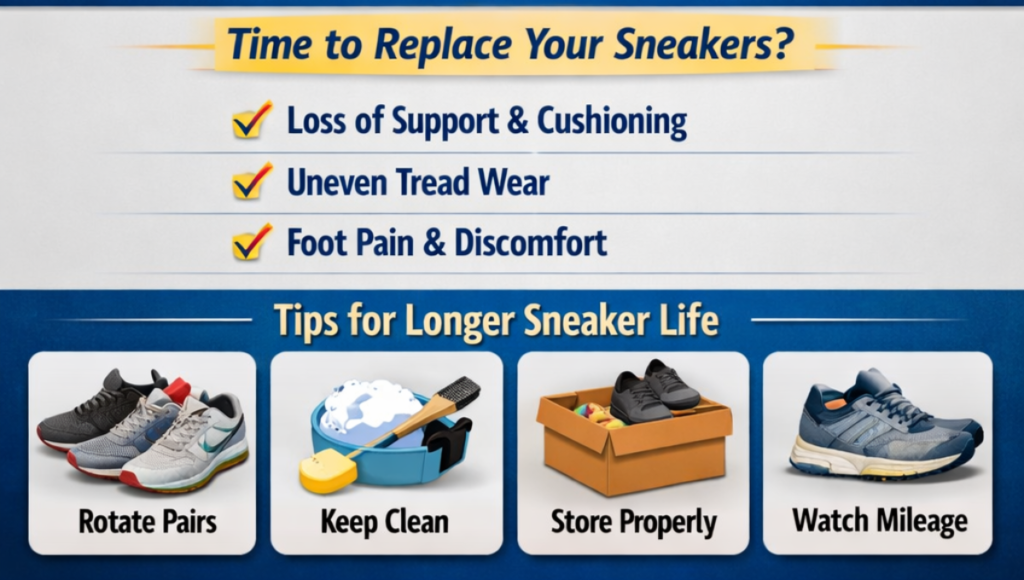
Loss of cushioning is often the first noticeable wear indicator. Feet feel sore and fatigued after activities previously comfortable. Midsole wrinkles and creases indicate foam compression failure. Outsole tread smoothing reduces traction stability, especially outdoors. Uneven wear patterns suggest altered gait and support loss.
Upper damage, like tearing or stretching, stretching compromises foot containment. Heel counters collapsing reduces stability during movement activities. Increased aches in the knees and hips signal insufficient shock absorption. Odor persistence may indicate internal material breakdown or moisture retention. Recognizing signs early prevents injury and discomfort escalation.
How Activity Type Influences Sneaker Wear Patterns Differently
Running creates repetitive high impact stressing midsoles intensely. Court sports involve lateral movements, increasing sidewall wear. Gym training causes varied stress, including twisting and pivoting motions. Lifestyle walking produces slower, uniform outsole abrasion. Each activity demands specific sneaker designs, affecting longevity.
Using sneakers outside intended activities accelerates damage quickly. Running in casual sneakers compresses inadequate cushioning prematurely. Training in running shoes destabilizes lateral support structures. Matching sneaker type to activity maximizes lifespan efficiency. Purpose-built footwear lasts longer under correct usage.
Effect of Body Weight and Gait on Sneaker Lifespan
A heavier body weight increases the force transmitted through sneakers. Increased force accelerates cushioning breakdown and outsole wear. Body mechanics significantly influence localized wear pattern development. Overpronation causes uneven medial sole degradation rapidly. Supination shifts wear laterally, stressing outsole edges.
Gait abnormalities amplify wear, reducing expected lifespan estimates. Properly fitted, supportive sneakers mitigate excessive wear forces. Orthotics can redistribute pressure, extending sneaker usability. Regular gait assessments help choose appropriate supportive footwear. Personal biomechanics matter greatly when predicting sneaker longevity.
Role of Maintenance and Cleaning in Extending Lifespan
Regular cleaning prevents dirt and grit from degrading materials. Debris acts abrasively, accelerating fabric and stitching damage. Gentle hand washing preserves adhesives better than machines. Drying sneakers properly prevents odor, mold material weakening of the material. Avoiding heat sources protects glues and foams from deterioration.
Rotating sneakers allows moisture evaporation and material recovery periods. Using shoe trees maintains shape and reduces creasing stress. Protective sprays shield uppers from water stains and contaminants. Timely repairs like sole reglue extend usability further. Consistent maintenance significantly extends sneaker service life.
Storage Conditions and Environmental Effects on Durability
Improper storage shortens sneaker lifespan even when unused. Heat accelerates foam degradation, causing premature crumbling. Humidity encourages mold growth, material breakdown, and odors. Direct sunlight fades colors and weakens synthetic fibers. Cool, dry storage preserves materials’ integrity effectively.
Leaving sneakers in cars exposes them to temperature extremes. Cold can stiffen materials, causing cracking upon use. Proper ventilation prevents moisture accumulation during storage. Dust bag boxes offer protection from environmental damage. Thoughtful storage preserves sneakers between wear cycles.
Comparing Budget Versus Premium Sneakers’ Longevity
Price often reflects materials, research, and construction quality differences. Premium sneakers usually last longer under similar usage. Budget options may sacrifice durability for affordability and style. However, occasional users may find budget sneakers sufficient. Value depends on usage intensity, expectations, and budgets.
Brand reputation alone does not guarantee superior longevity. Construction details matter more than marketing claims sometimes. Testing fit comfort before purchase predicts satisfaction and longevity. Reading reviews reveals real-world durability experiences. Informed choices balance cost, performance, and expected lifespan.
When to Replace Sneakers for Health and Safety
Replacing sneakers timely manner prevents injuries from poor support. Worn cushioning increases impact stress on joints significantly. Reduced traction raises slip and fall risks, especially on wet surfaces. Foot alignment issues arise from uneven, worn soles. Health considerations should outweigh cosmetic appearance concerns.
Keeping old sneakers for casual, low-impact use is acceptable. Retiring athletic sneakers to daily wear extends their value safely. Avoid using worn sneakers for intense activities. Listen to body discomfort signals indicating replacement necessity. Prioritize foot health when deciding sneaker replacement timing.
FAQ’s
How long do sneakers typically last with regular everyday use?
Sneakers used daily typically last six months to one year. Lifespan depends on activity intensity and body weight surfaces. Rotation and maintenance can extend the daily use lifespan. Ignoring wear signs shortens the usable safe duration. Regular assessment ensures a timely, comfortable replacement.
Can unused sneakers expire even without being worn at all?
Yes, unused sneakers can degrade due to material aging. Foams break down over time, even without stress. Heat and humidity accelerate chemical degradation processes. Proper storage slows aging by preserving unused sneakers. Avoid long-term storage without periodic inspection.
How can I tell if my sneakers need replacement?
Notice reduced cushioning, soreness, traction loss, and uneven wear. Visual midsole creasing indicates foam compression failure. Upper damage to the heel collapse suggests support loss. Persistent discomfort signals replacement necessity. Trust both physical signs and body feedback.
Does rotating multiple sneakers really extend their lifespan?
Yes, rotation allows materials recovery, reducing daily stress. Drying time prevents moisture-related degradation issues. Each pair experiences less cumulative wear. Rotation effectively doubles usable time per pair. It is a highly recommended practice.
Are expensive sneakers always more durable than cheaper options?
Not always, but premium materials often last longer. Design purpose matters more than price alone. Cheap sneakers suffice for light, occasional use. Heavy users benefit more from durable constructions. Evaluate quality reviews rather than price tags.
Conclusion
Sneaker lifespan varies widely depending on usage and material care. Understanding influencing factors helps set realistic durability expectations. Regular assessment prevents overuse beyond safe functional limits. Maintenance rotation storage dramatically improves longevity outcomes. Informed choices maximize comfort and safety over time. Replacing sneakers timely manner supports long-term foot joint health. Activity-appropriate footwear ensures optimal performance and durability balance. Consumers benefit from monitoring wear patterns proactively. Knowledge empowers smarter purchasing, maintenance, and replacement decisions. Ultimately, sneakers last longest when respected and maintained.
Sneakers are consumable tools, not permanent possessions. Accepting replacement necessity improves safety, comfort, and enjoyment. Tracking mileage usage simplifies replacement timing decisions. Quality investment matched with care yields the best longevity. Every user experiences different timelines based on lifestyle. This guide clarifies expectations, reducing confusion and disappointment. Apply insights to extend sneaker lifespan responsibly. Balanced care use replacement ensures consistent support performance. Your feet benefit when sneakers remain structurally sound. Choose wisely, maintain consistently, and replace responsibly.


Post Comment