What Are Court Sneakers? A Simple Guide for Everyday Wear
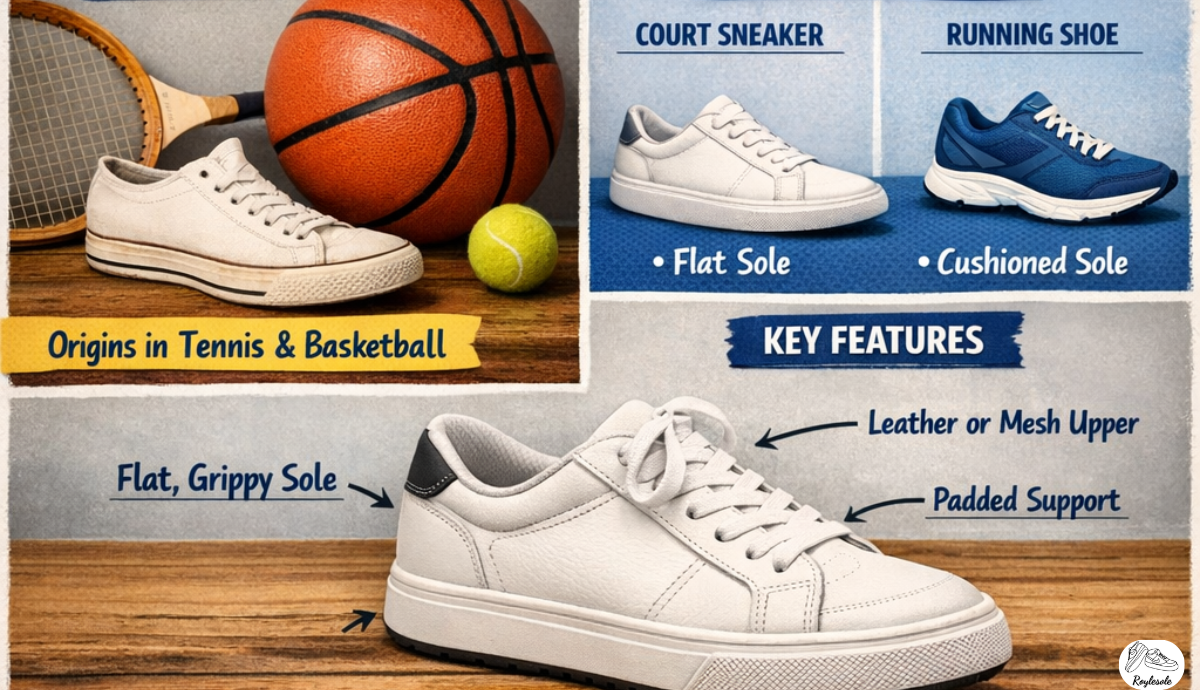
Court sneakers started as sports shoes made for indoor courts. They helped players move fast, stop quickly, and stay balanced. Over time, people wore them beyond sports into daily life. Their clean shapes made them popular for casual outfits everywhere. Today, court sneakers blend function, fashion, and history nicely together.
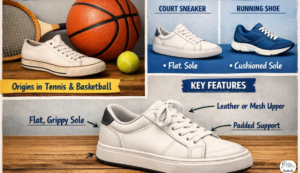
These sneakers usually have flat soles and supportive side walls. They protect feet during sharp movements common in court sports. Designs focus on stability, grip, and long-lasting comfort. Materials often include leather, rubber, and supportive padding layers. This mix creates shoes that are useful everywhere on courts.
Understanding court sneakers helps buyers choose smarter footwear options. Many styles may look similar, but they serve different practical purposes. Knowing features helps match shoes to lifestyle needs better. Court sneakers suit sports, walking, school, work, and casual settings. Their versatility explains their lasting popularity across generations worldwide.
Table of Contents
History of Court Sneakers
Court sneakers began with tennis and basketball players long ago. Early athletes needed shoes with gripping on smooth indoor wooden floors. Manufacturers responded by adding rubber soles for traction control. Canvas uppers kept the shoes lightweight and flexible during play. These early designs strongly shaped modern court sneakers.
Basketball boosted court sneakers’ popularity during the twentieth century. Players wanted ankle support and shock absorption for jumping. High tops appeared to protect ankles from injuries. Famous athletes helped popularize these designs beyond courts. Fans copied the styles worn by sports heroes proudly.
Key Design Features
Court sneakers usually feature flat, non-marking rubber soles. These soles provide grip without damaging indoor playing surfaces. Flat bases help players stay balanced during quick movements. Traction patterns vary depending on sport requirements. A good grip reduces slipping risks during intense play.
Uppers often use leather or synthetic supportive materials. These materials keep the feet stable during sideways motions. Padding around collars increases comfort and ankle protection. Breathable panels help reduce sweat during long wear. Strong stitching improves durability under repeated stress.
Materials Used in Court Sneakers
Leather is common because it offers durability and support. It molds slightly to the foot shape over time. Synthetic leather provides lighter weight and easier maintenance. Mesh sections improve airflow for cooler feet. Rubber remains essential for outsole grip and flexibility.
Midsoles often include foam for cushioning impact forces. This protects joints during jumping and running activities. Some designs add gel or air units inside. These features increase comfort without raising shoe height. Balanced cushioning supports long wear comfortably.
Difference Between Court and Running Sneakers
Court sneakers focus on sideways movement and quick stops. Running sneakers focus on forward motion and impact absorption. Court soles are flatter than running shoe soles. Flat soles improve stability during lateral movements. Running shoes have curved soles for smoother strides.
Upper support differs significantly between the two shoe types. Court shoes have firmer sides to prevent foot rolling. Running shoes allow more flexibility through the midfoot. Using the wrong shoes increases injury risks during activities. Choosing purpose-built footwear matters greatly.
Popular Court Sports Using These Sneakers
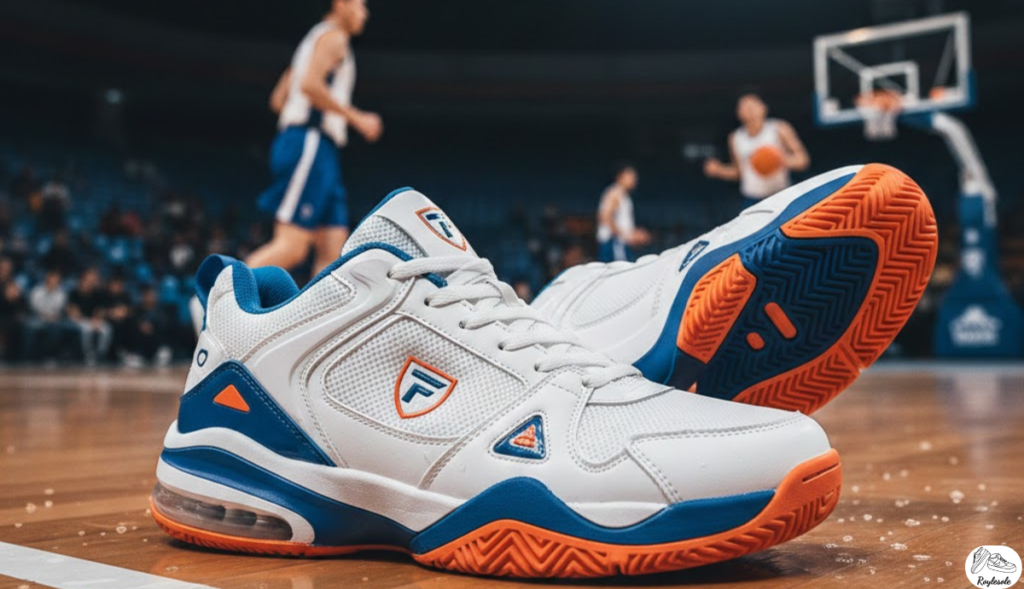
Basketball heavily relies on court sneakers for performance. Players jump, pivot, sprint, and stop suddenly often. Shoes must support ankles and cushion landings safely. Grip helps control movements on polished wooden floors. Basketball shaped many iconic court sneaker styles.
Tennis also influenced early court sneaker development. Players slide, lunge, and change directions rapidly. Durable toe areas resist wear from dragging motions. Lightweight designs help players move efficiently. Tennis court sneakers remain popular today.
Court Sneakers in Fashion Culture
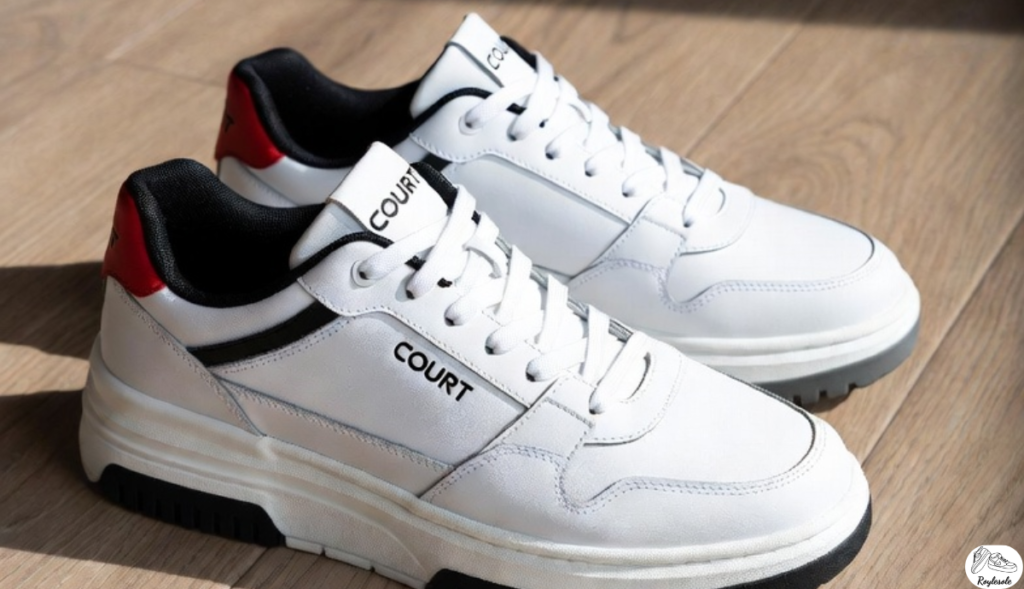
Court sneakers moved from sports into street fashion gradually. Simple designs matched casual clothes easily and cleanly. Youth cultures adopted them for everyday wear. Designers started releasing lifestyle versions of court sneakers. Fashion embraced their timeless, minimal appearance widely.
Celebrities and musicians boosted court sneaker popularity further. They wore classic pairs during performances and public appearances. Photos spread styles quickly through magazines and media. Court sneakers became symbols of relaxed, cool confidence. Today, they remain fashion staples globally.
Comfort and Fit Considerations
Court sneakers should fit snug without squeezing toes painfully. Proper fit prevents blisters and improves stability during movement. Heel areas should feel secure without slipping. Width matters, especially for side-to-side motions. Trying shoes before buying helps avoid discomfort.
A break in time may be needed for leather uppers. Wearing shoes gradually softens materials naturally. Socks influence comfort and fit significantly. Proper lacing adjusts pressure across the foot evenly. Comfort improves performance and enjoyment.
Durability and Maintenance
Court sneakers are built to handle repeated stress. Strong soles resist wear from hard indoor surfaces. Reinforced uppers protect against tearing during movement. Quality materials extend the shoe’s lifespan significantly. Proper care keeps shoes looking good longer.
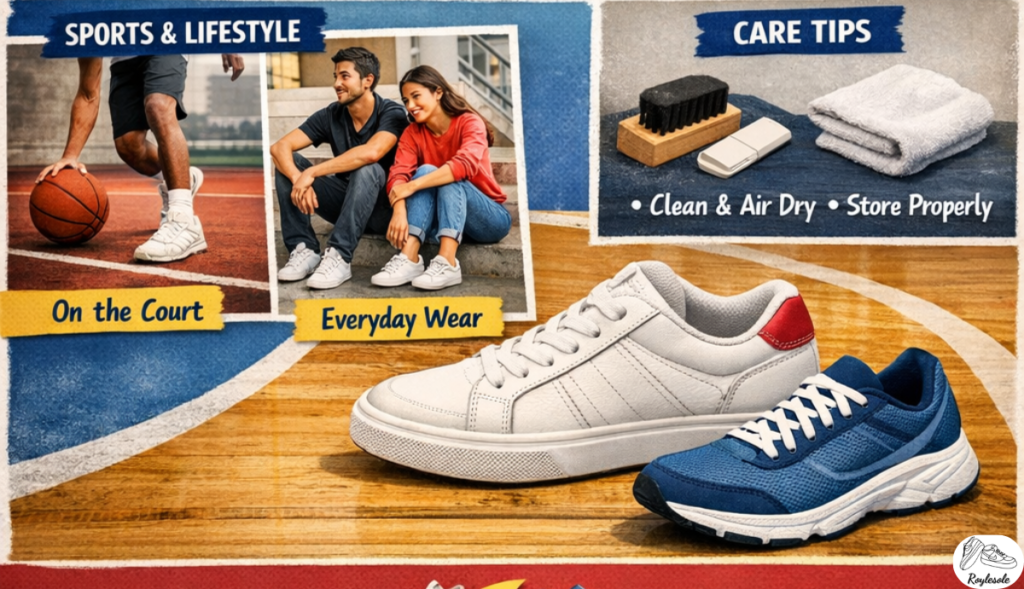
Cleaning regularly prevents dirt buildup and odors. Wiping soles maintains grip effectiveness over time. Air drying preserves materials better than heat sources. Storing shoes properly avoids shape damage. Maintenance protects investment and comfort.
Choosing the Right Court Sneakers
Consider your main activity before selecting court sneakers. Different sports demand different support and traction features. Lifestyle pairs prioritize style over performance features. Budget matters, but quality often reflects price. Reading reviews helps identify reliable models.
Try shoes later in the day for accurate sizing. Feet swell slightly after daily activities. Bring socks you plan to wear normally. Walk and move inside store carefully. Comfort should feel immediate and stable.
Are Court Sneakers Good for Everyday Wear
Court sneakers suit daily wear thanks to their versatile design. They pair easily with jeans, shorts, and casual outfits. Flat soles feel stable for walking short distances. Cushioning supports comfort during normal daily activities. They work well for school and errands.
However, they are not ideal for long runs. Limited cushioning affects long-distance comfort. They perform best on flat, hard surfaces. Choosing activities wisely avoids discomfort. Understanding limits ensures satisfaction.
FAQ’s
What makes a sneaker a court sneaker?
Courts have flat soles, a strong grip, and side support features. They are built for indoor courts and quick movements. Materials focus on stability and durability. Designs support lateral motion safely. These traits define true court sneakers.
Can court sneakers be used for running?
Courts are not ideal for running long distances. They lack forward motion cushioning and curved soles. Short jogs may feel uncomfortable. Running shoes protect joints better. Choose shoes based on activity.
Are sneakers good for beginners in sports?
Courts work well for beginners learning court sports. They provide stability and grip needed for safety. Comfort supports confidence during practice. Beginners benefit from proper footwear. They reduce injury risks early.
How long do courts usually last?
Lifespan depends on usage frequency and care quality. Regular players wear them out faster. Casual wear extends durability significantly. Proper cleaning helps maintain materials. Quality pairs last several years.
Do courts require special care?
Courts need simple, regular cleaning routines. Wipe dirt and dry them properly. Avoid washing machines for leather pairs. Store them in dry places. Basic care keeps them lasting longer.
Conclusion
Courts combine sports function with everyday style appeal. Their design supports movement, stability, and comfort effectively. History shows evolution from courts to casual fashion. Quality materials and smart construction define them. They remain relevant across sports and lifestyles today.
Knowing court sneakers helps buyers choose better footwear confidently. Understanding features prevents misuse and discomfort issues. They suit many settings when chosen properly. Care and fit extend their usefulness greatly. Court sneakers remain simple, practical, and timeless choices.


Post Comment