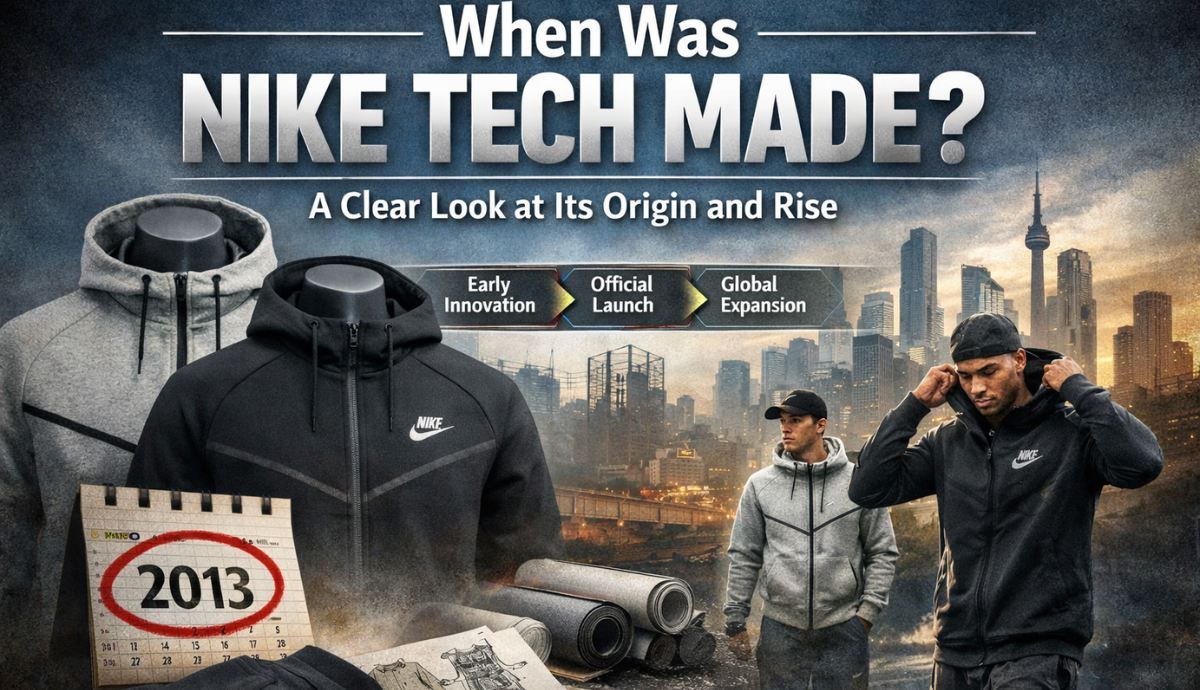
When was Nike Tech Made? A Clear Look at Its Origin and Rise
Nike Tech answers curiosity about comfort, style, and modern sportswear history. People often ask when this clothing idea first appeared globally. The story mixes design needs, athlete culture, and changing street fashion. Understanding origins helps explain why it has become popular worldwide today. This article explains timing, reasons, and evolution clearly and simply.
The name refers to a specific fleece-based clothing innovation. It focuses on warmth, movement, and lightweight comfort for wearers. This product line changed casual sportswear expectations during colder seasons. Its launch timing matters for fashion, branding, and youth culture. Learning dates reveals how trends grow and stay relevant.
Nike Tech did not appear suddenly without planning or testing. Years of research, fabric experiments, and athlete feedback shaped the release. The company studied weather, movement, and daily lifestyle needs carefully. This approach explains why timing mattered as much as design. Now, let us explore when Nike Tech was made.
Table of Contents
Early Background of Nike Apparel Innovation
Nike began experimenting with advanced fabrics long before Tech existed. Designers aimed to blend performance needs with everyday wearable comfort. Athletes wanted warmth without heavy layers during training sessions. This challenge pushed innovation beyond traditional cotton sweat materials. The groundwork set the stage for later fleece-based breakthroughs.
Sportswear markets changed rapidly during the early two thousand fashion shifts. Casual athletic clothing became daily wear for many young people. Nike noticed lifestyle merging with sports performance clothing demands. This insight encouraged investment in versatile apparel technology. Innovation timelines accelerated to meet cultural expectations.
Development of Fleece Technology
Fleece fabrics offered insulation while remaining lighter than previous options. Nike researched ways to structure fleece for improved heat retention. Engineers tested layering patterns and bonded fabric constructions extensively. These tests aimed to reduce bulk while preserving warmth effectively. The experiments slowly evolved into recognizable Tech fleece forms.
The company also focused on breathability and moisture control. Traditional sweatshirts trapped heat but often caused discomfort. Nike engineers refined fleece density across different garment zones. This zoning approach balanced warmth and airflow cleverly. Such technical decisions defined the product identity.
Official Launch Period of Nike Tech
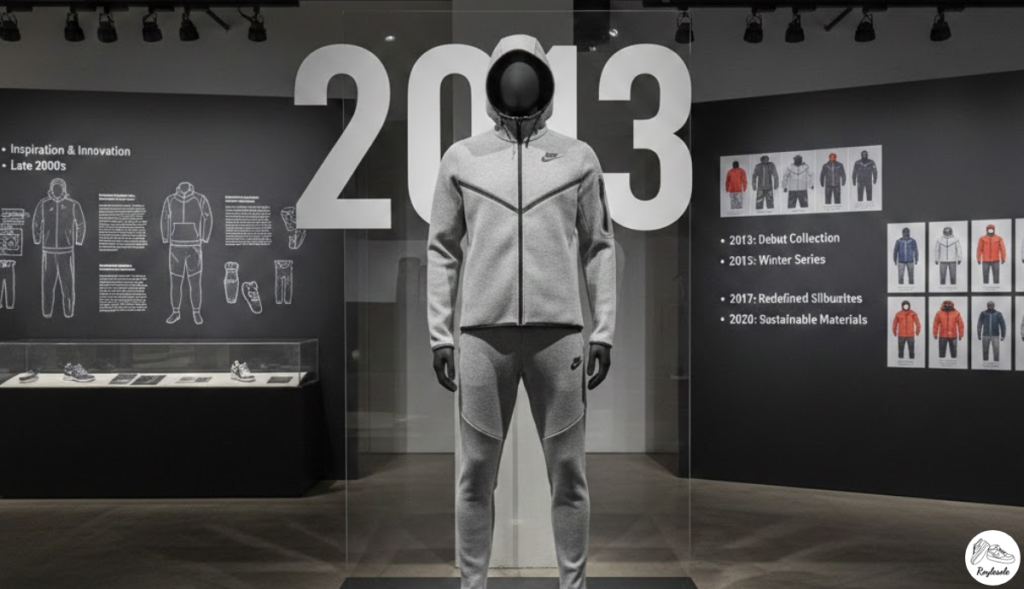
Nike Tech officially launched around the year two thousand thirteen. This release followed years of internal development and athlete trials. The timing aligned with the rising streetwear influence worldwide. Consumers wanted sleek athletic looks beyond gym environments. Nike Tech fit that cultural moment perfectly.
The launch included hoodies, pants, and full tracksuits. Marketing emphasized warmth without weight and sharp modern lines. Early adopters included athletes, musicians, and urban youth communities. Visibility increased rapidly through social media and sports endorsements. Popularity grew faster than Nike initially expected.
Why the Launch Timing Mattered
Two thousand thirteen marked shifting tastes in casual fashion. Slim silhouettes replaced baggy sportswear styles from earlier decades. Nike Tech matched cleaner lines while staying functional. This balance attracted style-conscious yet comfort-focused consumers. Timing amplified acceptance across global markets.
Weather versatility also mattered during seasonal fashion planning. Nike Tech provided warmth for fall and winter transitions. Consumers appreciated layering options without heavy coats. This practicality increased everyday usage significantly. Good timing strengthened long-term relevance.
Design Philosophy Behind Nike Tech
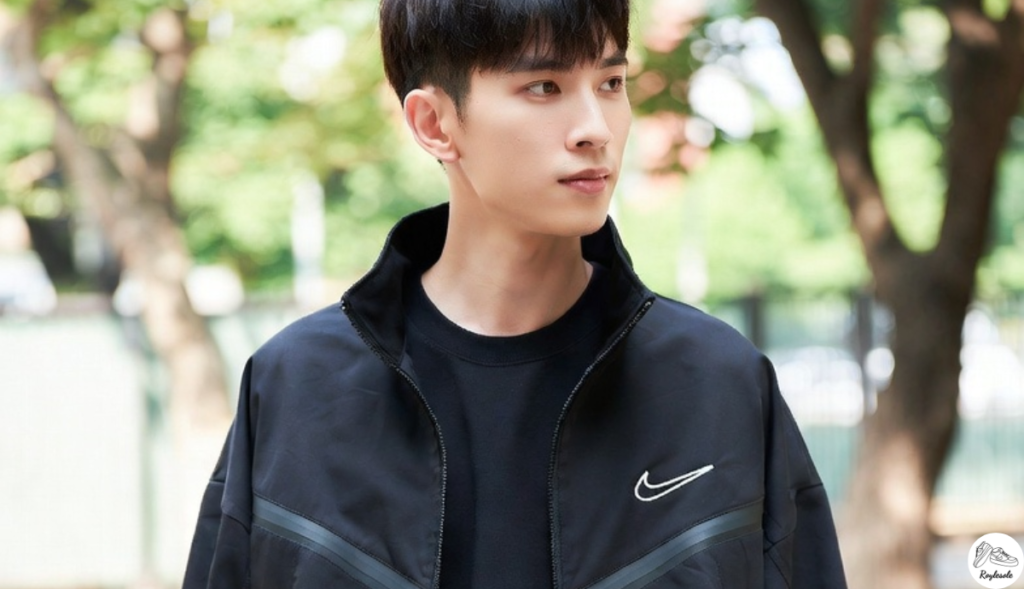
Designers wanted garments moving naturally with the human body. Articulated seams supported motion without restricting flexibility. Minimalist aesthetics kept the look modern and adaptable. Hidden pockets and clean panels reduced visual clutter. Every choice served both form and function equally.
The design avoided loud branding and excessive decoration. This subtle approach appealed across different age groups. People could wear pieces casually or athletically. Versatility increased wardrobe integration effortlessly. Such philosophy helped sustain popularity over the years.
Influence of Athletes and Culture
Athletes tested early versions during training and travel routines. Their feedback improved comfort during long wear periods. Musicians and influencers later adopted the look publicly. Street culture embraced the clean yet sporty aesthetic. This crossover boosted credibility beyond performance contexts.
Urban youth connected Tech fleece with identity and lifestyle. It symbolized movement, ambition, and modern self-expression. Music videos and social platforms amplified visibility quickly. Cultural adoption reinforced brand storytelling effectively. This influence sustained demand organically.
Evolution After Initial Release
Nike updated Tech fleece with new cuts and fabrics. Seasonal drops introduced colorways responding to trends. Fit adjustments improved comfort and silhouette over time. Nike listened carefully to consumer feedback continuously. Evolution kept the line feeling fresh.
Sustainability later influenced material choices and processes. Recycled fabrics entered production for some releases. This shift aligned with broader environmental awareness. Consumers increasingly valued responsible manufacturing practices. Nike adapted without losing its core identity.
Global Market Expansion
After success, Nike Tech expanded into international markets. Different climates influenced regional product variations. Marketing localized campaigns to match cultural preferences. Demand rose in Europe, Asia, and North America. Global reach confirmed universal appeal.
Retail displays highlighted technical features and clean designs. Online sales accelerated accessibility for wider audiences. Collaborations sometimes refreshed interest through limited editions. Scarcity increased desirability among fans. Expansion strengthened brand loyalty worldwide.
Comparison With Other Nike Lines
Nike Tech differs from traditional fleece collections significantly. It prioritizes structure, fit, and engineered warmth. Other lines focus more on softness or casual comfort. Tech blends performance mindset into daily wear. This distinction explains its premium positioning.
Consumers often compare it to basic hoodies. Price reflects research, materials, and construction quality. Longevity also factors into perceived value. Many users report durable wear over the years. Such comparisons reinforce market positioning.
Lasting Impact on Sportswear Fashion
Nike Tech influenced how brands approach athletic casual wear. Many competitors adopted similar slim fleece constructions. The line blurred boundaries between sportswear and streetwear. Fashion houses later mirrored technical fabric approaches. Impact extends beyond Nike alone.
Today, Tech fleece remains a recognizable style staple. It represents modern comfort-driven design philosophy. New generations continue discovering its appeal. The original release timing still shapes its legacy. Innovation proved timeless through thoughtful execution.
FAQ’s
When exactly was Nike Tech first released globally?
Nike Tech was released globally around two thousand thirteen officially. This followed several years of design and testing phases. The timing aligned with streetwear and athletic fashion growth. Consumers quickly adopted the sleek fleece designs worldwide. That year marks its recognized beginning.
Why did Nike create the Tech fleece line?
Nike created Tech fleece to improve warmth without added weight. Athletes needed comfortable layers for training and travel. Designers wanted modern looks for everyday wear. This goal drove technical fabric development efforts. The result was balanced performance and style.
Is Nike Tech designed only for athletes?
Nike Tech serves athletes but also everyday lifestyle users. Its comfort suits travel, casual wear, and light activity. Clean design attracts non-athletes equally. Versatility increased its audience reach significantly. It fits many daily situations.
How has Nike Tech changed since its release?
Nike Tech evolved with updated fits and materials. Color options expanded to match changing fashion trends. Sustainability influenced newer fabric choices. Feedback guided improvements across seasons. Core design principles stayed consistent.
Why is Nike Tech still popular today?
Nike Tech stays popular due to comfort and timeless style. Quality construction supports long-term wear. Cultural relevance remains strong among youth communities. Regular updates prevent the line from feeling outdated. These factors maintain demand.
Conclusion
Nike Tech was made around two thousand thirteen officially. Its creation followed years of fabric and design research. Timing matched cultural shifts toward sleek athletic lifestyles. Design philosophy balanced warmth, movement, and style successfully. This explains enduring popularity today.
Understanding when Nike Tech was made adds useful context. It shows how fashion, technology, and culture intersect. The line succeeded through planning, testing, and listening. Its impact continues shaping sportswear expectations globally. Nike Tech remains relevant through smart evolution.








Post Comment